Writing for a website doesn’t have to be scary. If you’ve ever felt stuck trying to write something for your website, you’re not alone. Many people don’t know where to start. But the truth is, with the right steps and a clear plan, you can write copy that gets results. You can learn how to guide visitors, boost your web traffic, and even make more sales. Let’s break it down and make it easy.
What is Website Copywriting?
Website copywriting means writing content for websites. It includes things like landing pages, product pages, a home page, blog posts, and even sales pages. The goal is to write copy that makes people want to take action. That desired action could be buying something, signing up for a newsletter, or just learning more.
Good web copy does a few things. It keeps readers engaged. It makes your message clear. It helps your site show up on search engines like Google. It also supports your brand identity and creates an emotional connection with your audience.
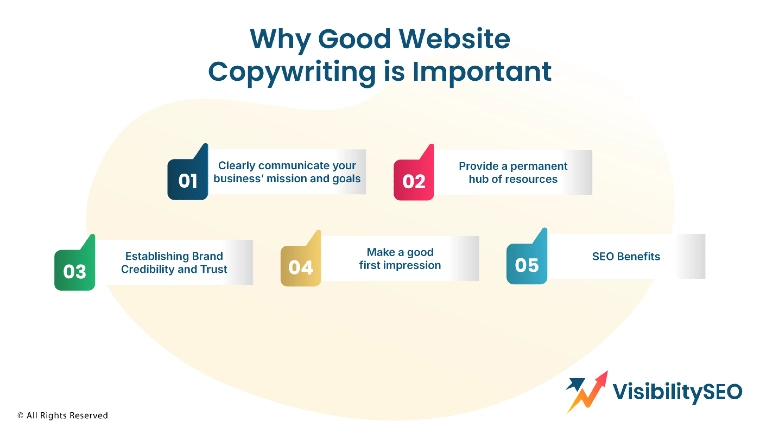
Why Good Website Copywriting is Important
Writing website copy isn’t just about filling space. It plays a big part in your business. Well-crafted web copy can turn visitors into prospective customers. It can also help show your company’s values and personality. It gives people a deeper understanding of who you are.
Website visitors have short attention spans. A good copy gets to the point. It speaks to their pain points. It builds trust and encourages action. The ultimate goal? Get people to do something. That could be to click, call, or even buy. That’s the power of effective copywriting.
- Clearly communicate your business’s mission and goals: When people visit your website, they want to know what you do and why. Good website copywriting explains that in a clear way. It helps visitors understand your mission and your goals. It shows how you plan to help them. This is your chance to talk about what your brand stands for. Don’t be afraid to show your values. Talk about your purpose. A great example? If your business is about helping others, say that. Your website copy should make that message obvious.
- Provide a permanent hub of resources: Your website can become a place where people come to learn. With strong website copy, you can offer helpful blog posts, guides, or product information. These resources help build trust and bring back repeat visitors. When people find value in your content, they stay longer. They return more often. They even share it with others. That helps with web traffic. It also helps you become a trusted source in your field.
- Establishing Brand Credibility and Trust: Trust is everything. If people don’t trust your website, they won’t stay. Strong website copy shows that you know what you’re doing. It uses facts. It uses social proof, like success stories or reviews. It doesn’t make wild claims. The more you can show you’re reliable, the better. Talk about your experience. Share your wins. Use words that feel honest. That builds brand credibility. It makes people want to work with you or buy from you.
- Make a good first impression: People judge fast. When someone lands on your site, your website copy has to work right away. It needs to be clear and interesting. Otherwise, they’ll click away. That first impression sticks. Your home page, landing page, or product pages should be easy to read. Use short sentences. Use bullet points. Say what you do in plain words. That way, even someone new to your brand gets it.
- SEO Benefits: Search engines are picky. But they love good website copywriting. When you write copy that includes keywords in a natural way, your site ranks higher. That means more people see your site. But be careful. Keyword stuffing doesn’t work anymore. Instead, focus on writing engaging content that answers questions. Show you understand your target audience. Use your website copywriting skills to write helpful, readable content.

20 Tips for Better Website Copywriting
Want to write better website copy? Here are 20 simple tips that can help you write content that really works. These tips will help you create compelling copy that connects with people and helps grow your business.
1. Get to Know Your Audience

You can’t write for people if you don’t know who they are. Think about who’s reading your words. Are they kids, parents, workers, or someone else? What problems do they have? What makes them happy or stressed out? These questions matter. They help you understand what your audience cares about.
When you know your reader, your writing changes. You stop guessing. You start speaking directly to them. This makes a big difference. It’s like talking to a friend instead of a stranger. People can tell when writing is meant for them. That’s when they pay attention.
So before you write anything, take time to think. Who are you talking to? What do they need from you? Knowing the answers can turn basic copy into something powerful.
2. Create a Strong Brand Presence

Your brand is your voice. It’s how people remember you. If you’re friendly, show that in your writing. If your brand is serious or cool, make that clear too.
The words on your website should sound like you. If they don’t, people will feel confused. They might not trust what you’re saying. Keep your style steady. Don’t switch tones too often. People like knowing what to expect.
Your website should show who you are. So let your personality come through in your writing. Use words that match your brand. If you’re fun, use playful words. If you’re all business, be straight and to the point. Just be sure it always sounds like you.
3. Know What You’re Selling

Before you write anything, make sure you fully understand what you’re offering. You can’t explain it to others if you’re not sure yourself. Know the product or service inside and out. What does it do, and how does it help people? Once you know these answers, your writing becomes easier.
You’re no longer just filling space. You’re sharing something that matters. You’re showing people why they need what you have. If your copy feels weak, maybe you need to learn more about your offer.
Take notes, ask questions, and get clear. Then, when you write, it will feel real and honest. That’s what connects with people.
4. Break Up Long Text
People don’t like reading big blocks of words. It’s hard on the eyes. They get bored or lost. That’s why short paragraphs are better.
Use bold titles. Add headers. All these things make your content easier to read. And when it’s easy, people keep reading. Use them often. Add space between ideas. Make the page feel light and open. You can also use bullet points:
- Bullet points are easy to scan. Each one should have a clear idea that readers can understand in seconds.
- They help organize your thoughts. Instead of one big block, you get pieces that are easier to follow.
- Readers love structure. It keeps them from clicking away or getting tired too soon.
5. Highlight the Advantages
When writing about your product or service, don’t just list features. That’s boring. Instead, show the benefits. Tell a small story if you can. Make it feel real. Like this: “Our app saves you 10 minutes every morning. That means more time for coffee or sleep.” That’s the kind of thing people remember.
Show how your offer fits into their lives. Make them see the good stuff. Benefits are what make people click, buy, or sign up. Features alone won’t do that.
6. Use Effective Headings
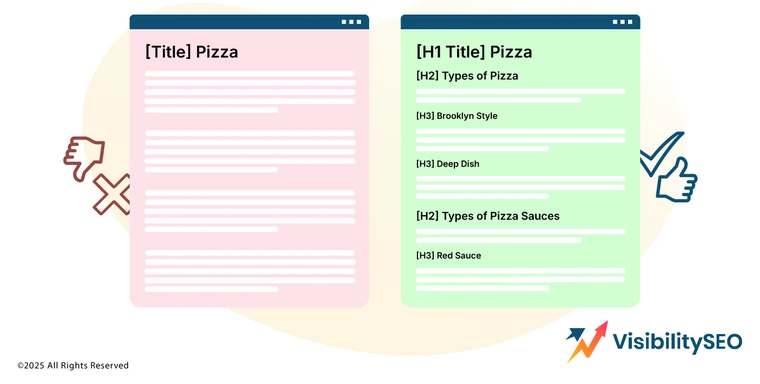
Headings help people know what’s coming. They give structure. Without them, your writing is just a wall of text. A good heading is like a street sign. It tells readers what they’re about to learn. Make it clear. Use simple words. No one should have to guess. Also, headings help search engines.
If your page has smart titles, it ranks better. That means more people find it. Try using headings that match real questions or needs. Like, “Why Our Product Works” or “How to Get Started in Minutes.” Those kinds of headings pull people in.
7. Study Competitors’ Content
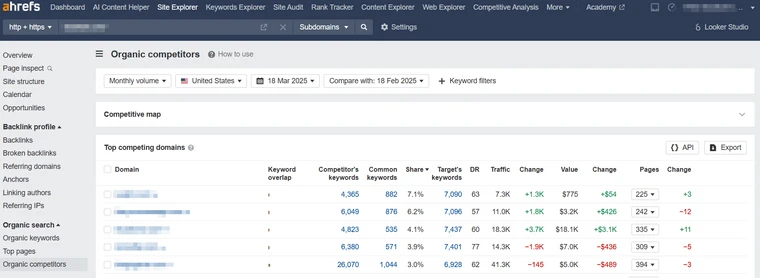
Look around. What are others in your field doing? Find websites that are doing well. Read their copy. See how they write and explain their content, and see what could make it better. You’re not copying them, you’re learning. You might spot a cool idea or notice something they missed.
Use what you learn to improve your own work. Maybe they use short videos. Or maybe they use cool examples. Take notes. Then do it better. Studying your competition helps you stand out. It shows you what works and what doesn’t. That’s how you grow.
8. Limit Your Copy
Don’t try to say everything. That just confuses people. Say what matters and stop. Be clear and direct. Use short sentences. Make sure every line has a reason to be there. Cut out extra words. Less is more.
Readers don’t have time to read long pages, they skim. If your message is easy to spot, they stay. If not, they leave. So keep your writing tight. Ask yourself if a sentence helps. If not, delete it. Your goal is to help readers, not impress them with long words or fancy talk.
9. Write in Active Voice

Active voice is better. It’s clearer and stronger. It helps people understand fast. Instead of saying, “The email was written by Mark,” say, “Mark wrote the email.” It’s much more direct this way. It sounds like someone is taking action. That makes your writing more alive. Passive voice sounds weak, like nobody’s in charge. So keep it active. Use clear subjects and strong verbs. That’s how you make every sentence count.
10. Write Strong CTAs
A CTA (call to action) tells people what to do next. Don’t be vague. Be bold. Make your CTAs easy to see. Use buttons. Use bold text. Be clear about the value. People are more likely to act when the next step is obvious and easy. Say things like:
- “Sign up today and start your free trial. It takes less than a minute, and you’ll be glad you did.”
- “Download our free guide now. It’s packed with tips to help you get started right away.”
- “Get in touch with us. We’re ready to help and can answer all your questions.”
11. Follow UX Best Practices

UX means user experience. It’s how easy your site is to use. If your site is slow, messy, or confusing, people leave. Keep things simple. Make sure buttons are big enough to tap. Use clear words for links. Help people find what they need without stress.
Your copy plays a role here, too. Guide visitors with clear directions. Say things like, “Click here to learn more” or “Find pricing below.” Don’t make them guess. Good UX means a happy visitor. And happy visitors stick around.
12. Expand Your Vocabulary
Use new words sometimes. It makes your writing feel fresh. But don’t get too fancy. If people don’t understand a word, they’ll stop reading. Keep it simple. Use words that fit your brand voice. Reading more can help. You’ll find new ways to say things.
Try swapping out basic words for better ones, but only if they help your message. Be clear, not clever. That’s the key. Writing isn’t about big words. It’s about the right words.
13. Optimize for SEO

SEO helps people find you online. Use keywords that match what your readers search for. But don’t stuff them everywhere. That feels fake. Use them in headings, the first paragraph, and in your links. Write like you’re answering a question. That’s what search engines like.
Think about what your audience types into Google. Then write content that gives them a helpful answer. That’s how you rank better and help more people at the same time.
14. Use Numbers
Numbers stand out. They stop the eye. Use them when you can. People love lists. They’re clear and easy to remember. Use numbers to show facts, too. That builds trust. Try these examples out:
- “5 easy ways to get better sleep. Each tip is quick and works right away—no stress.”
- “3 things you can do today to save time. These aren’t hard and take less than 10 minutes.”
- “Top 10 tools that help you stay focused. We’ve tested them all and picked the best.”
15. Avoid Overuse
Don’t repeat the same points again and again. Readers notice and it feels lazy. Every sentence should add something new. If it doesn’t, cut it. Change up how you say things. Use different words and sentence types. If you need to say something twice, say it in a new way. That keeps people engaged. They won’t get bored and they’ll want to keep reading.
16. A/B Test
If you’re not sure what works best, try both. A/B testing means showing two versions of something and seeing which one works better. Try different headlines. Try two kinds of buttons.
Change the wording of a CTA. Then look at the results. See which version people like more. Over time, this makes your writing stronger. Even small changes can lead to big wins. Testing helps you grow without guessing.
17. Design for Mobile First
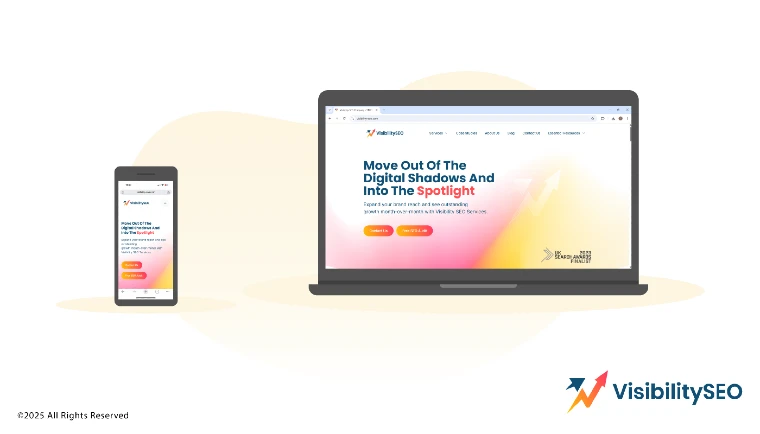
Most people use phones to browse. That means your copy needs to work on small screens. Use short paragraphs. Add space between lines. Make buttons big and easy to tap. Keep headlines short. If people can’t read or tap easily, they’ll leave. Mobile-first means thinking small screen first. If it works well on mobile, it’ll work well on desktop too. That’s how you reach more people.
18. Open It Up to All Users
Your website should be for everyone. That means making it easy to read and use. People with vision issues or other disabilities should be able to use it too. Use readable fonts. Keep your color choices clear, add labels to forms, and use simple words. Accessibility isn’t extra. It’s part of good writing. When everyone can read your copy, your message is stronger.
19. Experiment with AI

AI tools can help. They give ideas. They speed things up. But don’t let them do everything. Your voice still matters. AI can suggest, but you decide. Use it to polish your copy or brainstorm headlines. Just don’t lose your human touch. People want to feel a real person behind the words. Use AI as a helper, not a crutch.
20. Don’t Forget to Edit
Editing is where the magic happens. Don’t skip it. After you write, take a break. Then read your copy out loud. Fix awkward parts, cut words you don’t need, and check spelling. Make sure it sounds clear. Editing turns good writing into great writing. It sharpens your message. It shows you care. Even one small change can make a big difference. Always take the time to edit.
A good copy doesn’t happen by accident. It’s built with care, tested over time, and always getting better. Keep learning and improving; your readers will thank you for it.
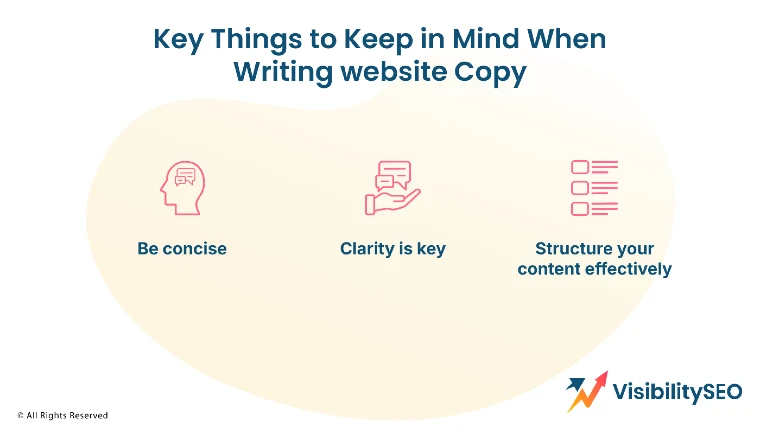
Key Things to Keep in Mind When Writing Website Copy
When you write website copy, every word counts. Keep these key ideas in mind to make your writing more powerful.
- Be concise: Say more with less. Don’t use five words when two will do. Keep your copy tight and to the point. Avoid repeating yourself. Don’t add fluff. This helps hold your readers’ attention.
- Clarity is key: Don’t make readers guess. Use simple words. Write short sentences. The goal is to clearly convey information. Confused readers don’t stick around.
- Structure your content effectively: Organize your ideas. Use headings, bullet points, and short paragraphs. This makes it easier for people to scan and understand your content quickly.

Where Smart Copy Meets Real Growth
Writing great web copy isn’t just a nice idea. It leads to real results. Better website copy brings in more visitors. It helps turn those visitors into customers. It supports your brand. A strong copy makes your message clear and easy to trust.
People remember websites that speak to them in a real, human way. That kind of connection helps build loyalty over time. Your words can shape how people see your business, and that can lead to long-term success.
The best part? You don’t need to be a professional writer to do it. Just follow these tips. Practice your copywriting skills. Keep improving. Your website can become one of your strongest tools for growth. Even small changes in your wording can lead to big changes in how people respond.
Stay curious, test what works, and keep learning. The more you write, the better you’ll get, and your results will follow.
FAQs
How much does copy for a website cost?
The cost of writing website copy depends on many things. That includes how long the content is, how much research is needed, and who is writing it. Some writers charge per page, while others charge per hour or by project.
Prices can range from $100 to over $1000 per page. Hiring an expert might cost more, but it often brings better results. Always check what’s included in the price.
Can I be a website copywriter with no experience?
Yes, you can. Everyone has to start somewhere. The key is to practice writing and learn the basics. Read about traditional copywriting aims and user behavior. Study examples of great web copy. Try writing content for your own site or blog. Build a portfolio. Over time, your skills will grow, and you can take on more complex copywriting projects.
Will AI replace copywriters?
AI tools are getting better, but they won’t replace human copywriters. AI can help speed up the writing process or give suggestions. But it can’t fully understand emotions, brand identity, or the human touch that makes copy powerful. People still connect with content that feels real. AI might be a tool, but the writer is still in charge.

- SEO Consultant vs SEO Agency – What is the Difference? - June 25, 2026
- FAQ Schema: A Simple SEO Trick for Better Visibility - December 20, 2025
- What Is YMYL and Why It Matters for SEO? - December 16, 2025