Google core updates are important changes that website owners should know about. These updates are part of how Google improves its search engine. They help make sure that people get the most useful, high-quality content when they search.
Each update can change how websites rank in search results. So, understanding these updates can help you keep your website strong and visible online.
What Are Google Core Updates?
Google core updates are big changes to Google’s search algorithm. The search algorithm is a system Google uses to decide which web pages to show in search results. A core update adjusts this system to better meet what people are looking for.
These updates don’t target specific sites. Instead, they focus on improving how the system ranks content overall. Google wants to make sure users get more relevant organic search results. That’s why these updates can impact many websites at once.
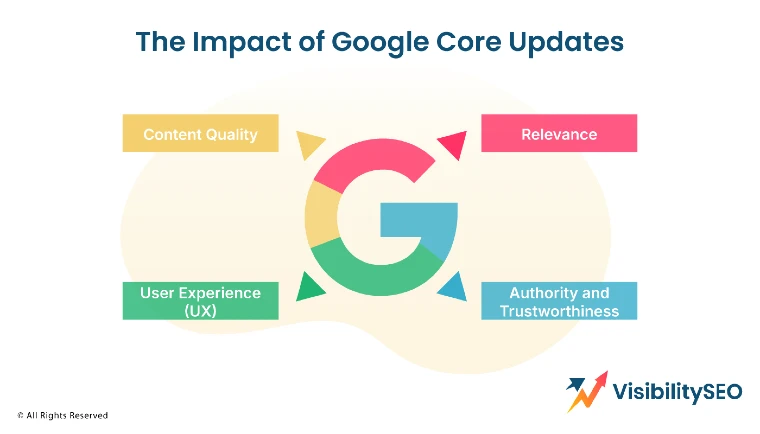
The Impact of Google Core Updates
When a core update happens, search rankings can shift. Some sites may move higher in results, others may fall. This change can feel sudden. But it usually reflects Google’s effort to reward helpful content and reduce low-quality content.
If your website drops in ranking, it doesn’t mean you did something wrong. It might mean other pages became more useful than yours. Keeping up with Google algorithm updates helps website owners make smart changes.
- Content Quality: High-quality content always wins with Google. If your pages give helpful, clear, and well-written answers to search queries, you’re doing the right thing. Content should be made for people, not for the search engine. Try to avoid low-quality websites with copied or shallow content. If your content is insightful and well-organized, Google’s filters work in your favor. Sites with product reviews, blog posts, or other helpful content often perform better after updates.
- Relevance: Google wants to match content with what users really want. So, your content must stay relevant to the keywords people search for. That means updating your web pages regularly. For example, if you’re writing about mobile search results or expired domain abuse, use the latest info. Check if your titles and meta descriptions still fit what users need. The more relevant your content, the more likely it will appear in search engine results pages.
- User Experience (UX): User experience matters more than ever. This includes how fast your site loads, how easy it is to navigate, and if it works well on mobile devices. Google uses core web vitals metrics to measure this. If your site is hard to use, people will leave, and Google will notice. A clean layout, fast loading time, and mobile search readiness help improve your standing in Google’s search results. Make things simple and easy for visitors.
- Authority and Trustworthiness: Google checks if your website is trustworthy. That’s why sites with strong reputations do better after core updates. You can build trust by showing your expertise and linking to reliable sources, and by using tools like a website authority checker to monitor how your site is perceived. If you deal with topics like health, news, or finances, accuracy is extra important. Google’s helpful content system update aims to push sites with authority higher. This means fewer low quality websites and more trustworthy results.
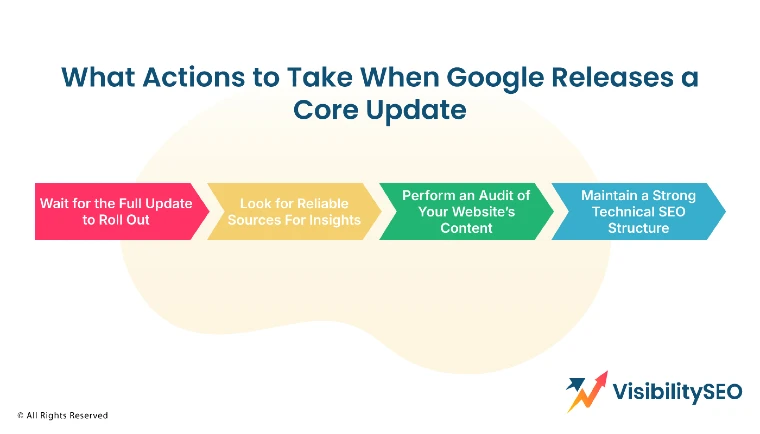
What Actions to Take When Google Releases a Core Update
When a core update rolls out, don’t panic. These changes happen a few times a year, and most of them affect broad parts of the search algorithm. The best way to respond is to stay calm, pay attention, and review content thoroughly. Sometimes, doing less is more. Avoid sudden changes until you understand what’s really going on.
Wait for the Full Update to Roll Out
Core updates can take up to two weeks to fully roll out. So don’t rush to change things right away. The first few days can show large ranking changes, but the results often settle.
Google’s search liaison usually shares updates about when a core update started rolling. Keep an eye on the Google Search Central Blog.
Look for Reliable Sources for Insights
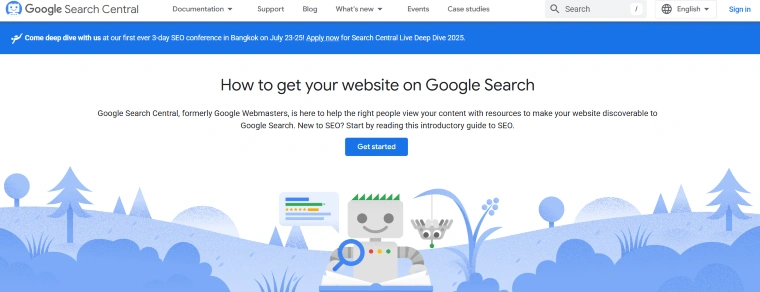
To understand how updates affect websites, use reliable sources. Google Search Central and other trustworthy sites offer insightful analysis. Don’t trust rumors or guesswork. Focus on real data and feedback from Google itself. Even on social media, stick to well-known SEO experts who report on updates honestly. Look for mentions of specific updates, like the March 2025 core update or the December spam update.
Perform an Audit of Your Website’s Content

After a core update, review your content. Check if your content is clear, useful, and actually matches what the users are searching for. Look for low quality content that may hurt your rankings. Remove or improve weak pages. Use your analytics to see which content dropped in performance. A content audit helps you understand what needs fixing and what already meets Google’s standards.
Maintain a Strong Technical SEO Structure

Technical SEO helps Google understand your website better. Make sure your site loads quickly, has no broken links, and works well on mobile devices. Use proper heading tags, alt text for images, and a clean site map. If your site has issues with spam update penalties or unnatural links, fix them fast. A healthy technical structure supports strong search engine performance.
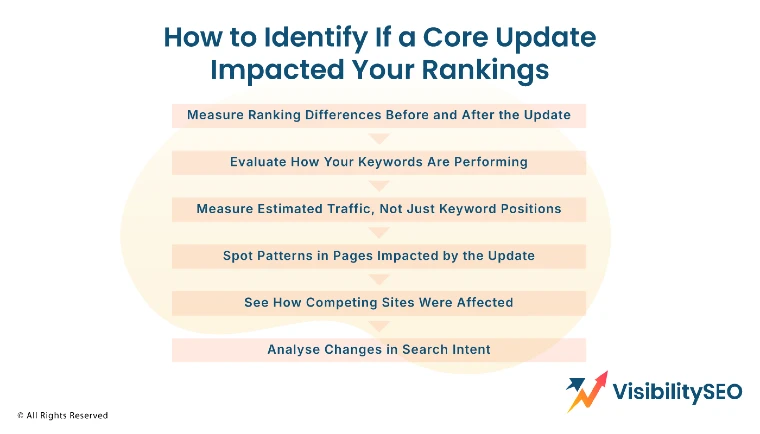
How to Identify If a Core Update Impacted Your Rankings
So, how can you tell if your rankings changed because of a core update? Watch your site carefully before, during, and after Google algorithm updates. Compare traffic, keyword positions, and content performance. If you see sudden drops or gains, it could be the update. Here’s how to dig deeper:
Measure Ranking Differences Before and After the Update
Look at your rankings for important keywords before and after the update. Use tools that track daily keyword changes. A drop in multiple rankings can mean the core update impacted you. Don’t just look at one keyword; check many across different topics. This gives a better picture of what’s happening with your web pages.
Evaluate How Your Keywords Are Performing
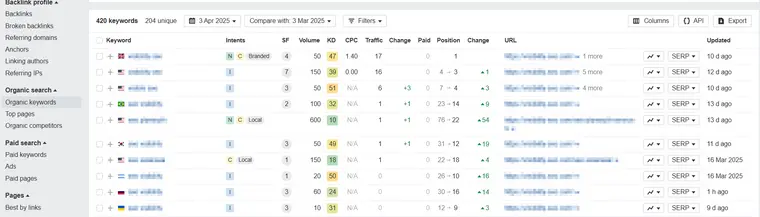
Keywords tell you what people are searching for and how your site is doing. If your site used to rank high for certain search queries but doesn’t anymore, something changed. Review keyword trends and check if users are now finding better answers elsewhere. A keyword drop might point to a broader issue with your helpful content or site structure.
Measure Estimated Traffic, Not Just Keyword Positions
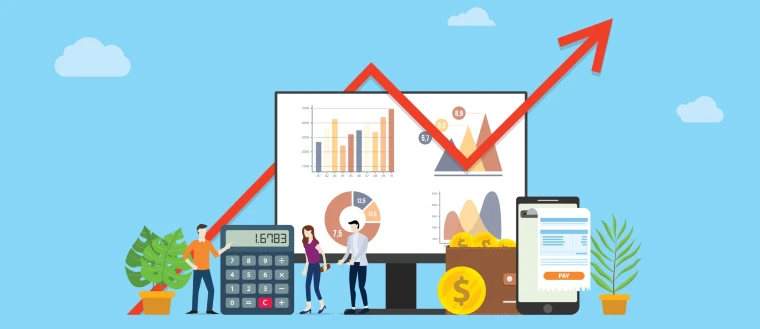
Keyword positions are helpful, but estimated traffic is even better. Check how many visitors your site is getting from search engine results pages. Sometimes you stay in the top 10 but still lose traffic because people click on different results. Traffic gives you the full picture. Keep an eye on how it changes over time.
Spot Patterns in Pages Impacted by the Update
See which pages lost the most traffic. Are they all from one topic or type of content? Finding patterns helps you understand what’s working and what’s not. If only blog posts dropped, review their quality, and see your local search update. If product reviews fell, maybe the content wasn’t deep enough. These clues guide you toward smarter updates.
See How Competing Sites Were Affected
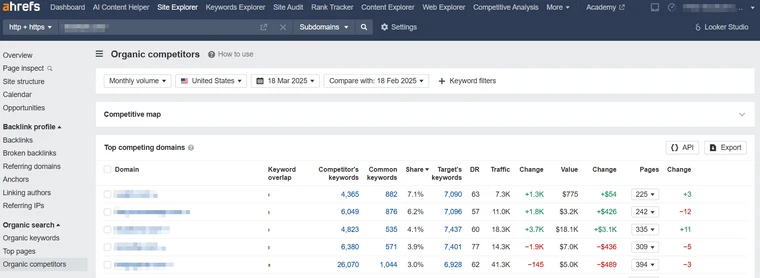
You’re not alone; core updates affect many websites. Look at your competitors: Did they gain traffic or did their rankings change too? This can show what kind of content Google now prefers. Studying others helps you improve your site and find new ways to stand out in search engine results.
Analyze Changes in Search Intent.
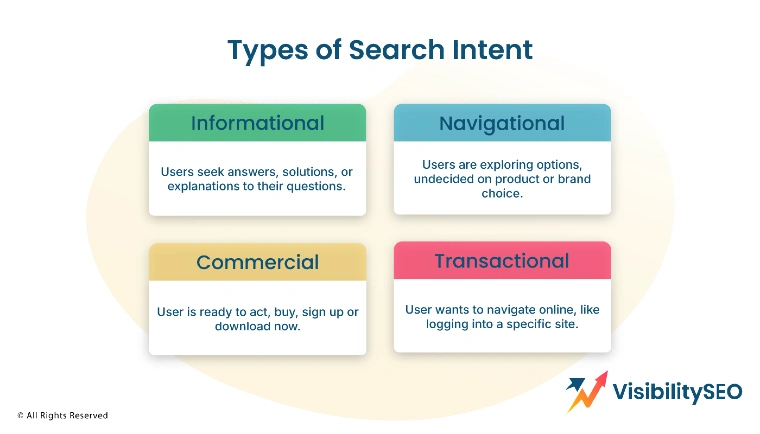
Sometimes, the way people search changes. A keyword that used to mean one thing may now mean something else. This is called a change in search intent. Google’s machine learning system picks up on this fast. If your page no longer matches what people want, update it. Make sure your content still answers the right question.
Timeline of Google Core Updates Since 2011
Google released many core updates since 2011. Each one improved the search engine in different ways. Some updates targeted spam, others helped highlight better content. Let’s look at the most important updates that shaped how search works today.
- Panda (2011): Panda aimed to reduce low-quality content and boost helpful content. It punished content farms and websites with thin, copied, or spammy articles. This was one of the first steps toward cleaning up the search index.
- Penguin (2012): The Penguin update tackled unnatural links and link spam. It punished sites that used shady linking tricks to boost rankings. It also encouraged website owners to earn links the right way.
- Hummingbird (2013): Hummingbird changed how Google understood search queries. Instead of focusing on just keywords, it looked at the meaning behind the words. This helped bring more relevant Google search results to users.
- Pigeon (2014): Pigeon improved local search results. It helped match local businesses with people searching nearby. This fourth core update made local SEO more important than ever before.
- Mobilegeddon (2015): Mobilegeddon rewarded mobile-friendly websites. Sites that didn’t work well on phones lost visibility in mobile search results. It showed that mobile search was now a top priority for Google.
- RankBrain (2015): RankBrain added artificial intelligence to Google’s core search algorithm. It helped Google understand new search queries by learning patterns. This was a big step toward smarter search results.
- Fred (2017): Fred focused on low quality websites that put ads and profits over users. Sites with little helpful content and too many ads lost rankings. It was a warning to always put users first.
- Medic (2018): Medic hit health and finance sites hardest. It looked at authority and trust. Sites needed to be accurate, expert-driven, and safe. It raised the bar for all serious content.
- BERT (2019): BERT helped Google understand language better. It used deep learning to look at how words relate to each other in a sentence. This made results for long or tricky queries more accurate.
- December 2019 Core Update: This update was broad and improved how Google’s systems judge content quality. Many websites saw big shifts in rankings. Google reminded site owners to focus on helpful content.
- May 2020 Core Update: This major update stressed the need for high quality and original content. Many sites with thin or duplicate pages were impacted. It rewarded strong, in-depth writing.
- December 2020 Core Update: The December core update brought changes to how different core systems worked together. It helped balance content quality, user experience, and page authority more evenly.
- June 2021 Core Update: Google launched this update alongside the helpful content system. It began rewarding content that really answered users’ needs. More emphasis was placed on user intent.
- July 2021 Core Update: This update built on the June update, refining signals around relevance and page quality. It improved how search engine results pages handled certain types of search queries.
- November 2021 Core Update: This update was part of the November core update series and targeted content clarity and link quality. It focused on cutting out link spam and low effort content.
- March 2022 Core Update: The March core update improved Google’s ability to find and promote previously under rewarded content. It gave small websites with strong content a chance to rise.
- May 2022 Core Update: This broad core update fine-tuned Google’s machine learning system to better understand complex content. It rewarded clear, focused writing and punished vague or messy pages.
- September 2022 Core Update: This update worked closely with the September helpful content update. It took aim at site reputation abuse and expired domain abuse. It made sure spammy tricks didn’t pay off.
- March 2023 Core Update: The 2023 core update changed how Google’s core algorithm ranked authority. Sites with strong, helpful content that linked to trustworthy sources gained traction.
- August 2023 Core Update: This August core update helped clean up broad spam update issues. Google refined how it handled link spam and low effort sites. More helpful content reached the top.
- March 2024 Core Update: The 2024 core update adjusted how Google’s multiple core systems worked together. It focused on removing low quality content and lifting websites with valuable blog posts.
- August 2024 Core Update: Google announced this update to improve search engine results pages for mobile search. It also tackled search spam in user-generated content and forums.
How the March 2025 Core Update May Affect Your SEO Moving Forward
The March 2025 core update is already showing that Google continues to fight low-quality content. Website owners should focus on relevance, speed, and clarity. This update may reward helpful content even more than past updates. Sites abusing the site reputation abuse policy or link spam update may face losses. Now’s the time to double-check if your content meets Google’s high standards.
Another thing to watch is how Google’s filters work with the multiple core systems running behind the scenes. It’s no longer about a single factor like keywords. Google’s machine learning system now looks at signals like page structure, engagement, and trust. Site owners should build natural content that earns authority. If your rankings dropped, think hard about why. This may be your signal to refresh, revise, and renew your site’s purpose.
Preparing for the Next Wave of Google Algorithm Updates
Don’t wait for the next big update to make changes. At Visibility SEO, we always tell our clients to start early. We review your site’s content closely and test how it performs on mobile devices. We check your core web vitals metrics regularly.
If expired domain abuse is an issue, we fix it fast. We steer clear of any shady tricks and focus on writing content that truly helps your users. That’s how we keep sites ready for whatever updates come next.
We also keep a close watch on Google Search Central and the Google Search Central Blog. These sources give real insights about what’s coming. We watch for announcements about broad core or spam updates. We study how past core updates changed search results.
Being proactive is what we believe makes the difference. When you respond to update trends early, your site avoids sudden drops. Stay smart and stay current with us, and you’ll be strong no matter what changes arrive.
FAQs
How long does it take to see the effects of core algorithm updates in search results?
It usually takes up to two weeks to feel the full impact. Some pages may see changes within days. Others take longer. Google’s broad core updates often roll out slowly. This gives the search algorithm time to adjust. Check your analytics every few days. Watch for trends. Don’t panic if you don’t see results right away.
Why does Google update its algorithms?
Google updates its algorithms to improve search results. People want helpful content and fast answers. So, Google makes changes to reward good websites and lower bad ones. These updates stop low quality websites and search spam. They help people find more relevant search results. This is why updates like the helpful content system and broad core updates matter.
How do I check Google updates?
You can check Google updates through the Google Search Central Blog. You can also follow the Google Search Liaison on social media. Sites like Search Engine Land and Search Engine Journal share news and analysis. They explain what each core update means. Look for patterns in your traffic and rankings, too. That shows how updates affect your site.
What is the difference between a core update and a broad core update?
A core update changes how Google ranks content. A broad core update is even bigger; it impacts the entire search system. Both aim to improve how users find high quality content. But a broad core update affects more sites and search queries. It adjusts many different core systems at once. Website owners should watch both closely.

- SEO Consultant vs SEO Agency – What is the Difference? - June 25, 2026
- FAQ Schema: A Simple SEO Trick for Better Visibility - December 20, 2025
- What Is YMYL and Why It Matters for SEO? - December 16, 2025