Ranking at the top of Google’s web search results gets nearly 40% of clicks. But most top results target competitive search terms, making it challenging to break through. That’s where trending keywords come in. They give you an early advantage, letting you attract traffic while others play catch-up.
What Are Keyword Trends?
Keyword trends show how the popularity and search volume of terms change over time. They indicate what people are searching for and interested in, helping you adapt and find new opportunities. Factors like news, seasons, industry changes, and viral content can influence them.
Why Trending Keywords Are Essential for SEO?
Trending keywords show you what people type in the search bar for right now. Using them makes your content more relevant and interesting. This can help get more clicks and boost your search rankings.
But trends change fast. They shift with seasons, events, and interests. That’s why updating your keywords regularly is so important. Staying up to date helps your content stay useful and keeps your audience coming back.
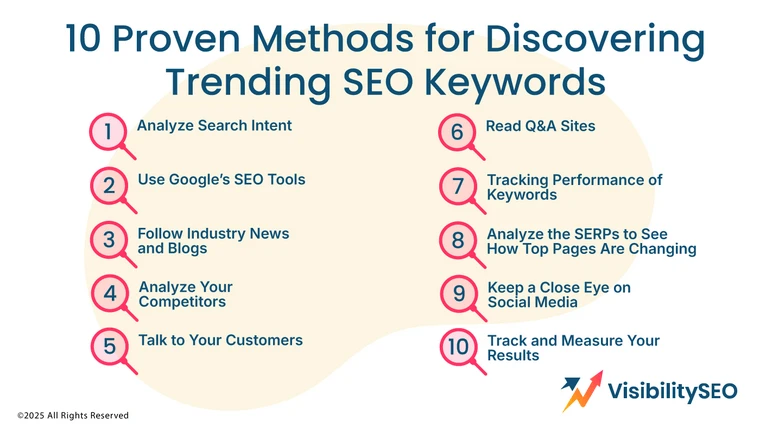
10 Proven Methods for Discovering Trending SEO Keywords
Here are 10 proven ways that can help you uncover keyword trends and stay ahead of your competitors:
1. Analyze Search Intent

Search intent can be tricky. For example, is someone searching “best gifts” to browse generally, or “personalised mugs” to find something specific? We always take a moment to consider the purpose behind a query before selecting keywords. It’s not an exact science, but aligning content with searcher intent leads to stronger results.
When working with a flooring client, we noticed “affordable flooring options” performed better than just “flooring options,” as users were searching for budget-friendly choices.
2. Use Google’s SEO Tools
Google’s tools provide valuable insights into what people search for, making it easier to identify high-performing keywords.
Google Trends
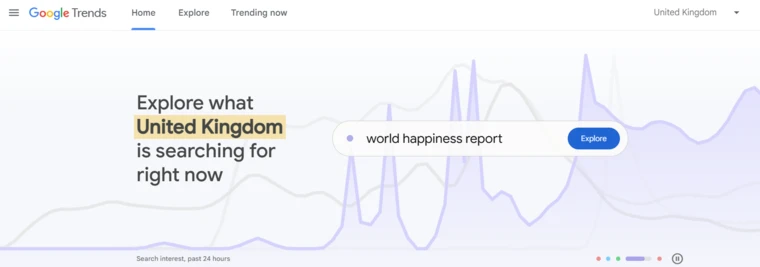
You can use Google Trends for keywords research, too. Google Trends allows us to track keyword search interest over time. We recently used Google Trends data to predict seasonal trends for a retail client, spotting an annual spike in “stainless steel necklaces” searches in March, giving them enough time to adjust their inventory and content marketing.
Google Keyword Planner
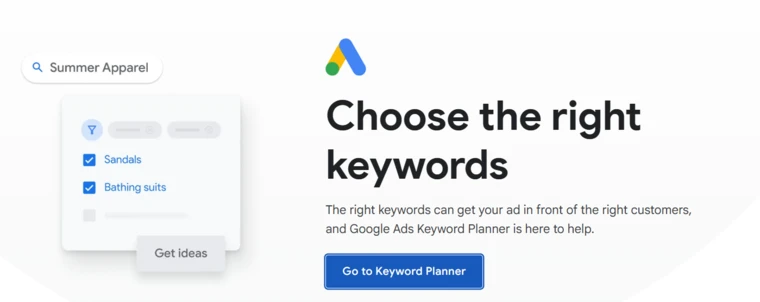
Google Keyword Planner is a great keyword tool that provides estimated search volumes and competition levels. We’ve found that while it’s a great starting point, it’s essential to validate data with real-time search performance.
For instance, while “best business coach” had high search volume, we discovered that “best business coach in the UK” was a lower-competition, high-converting alternative.
Google Can Also Help with These Insights:
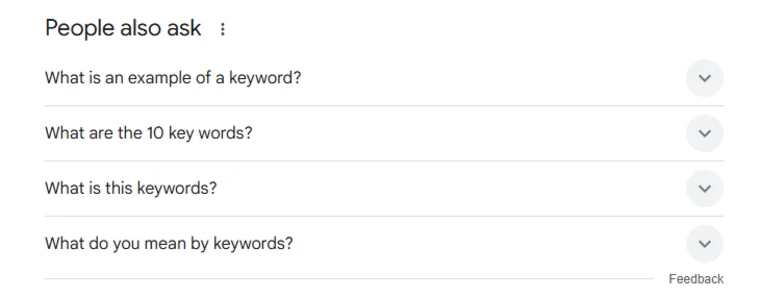
- Check “People Also Ask” Section – This helps us identify questions users are actively searching for and shape content accordingly.

- Check Local Trends – When working with a local service provider, we found that including location-specific keywords like “SEO agency in Hampshire” significantly improved their search rankings.

- Use Long-tail and LSI Keywords – We often optimize content with long-tail keywords like “affordable digital marketing for small businesses” to capture more specific search queries.
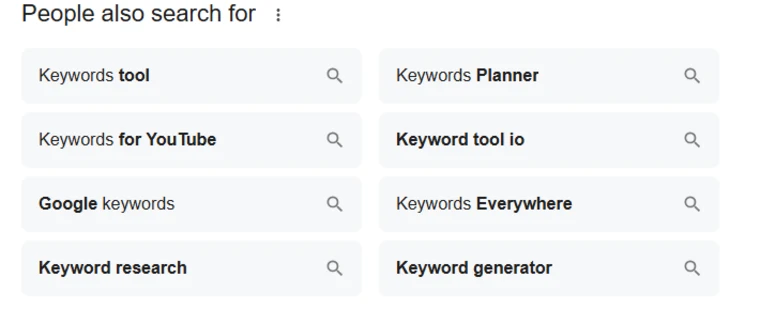
- Look into “People Also Search For” Section – This helps us find related search terms and expand keyword strategies.
3. Follow Industry News and Blogs
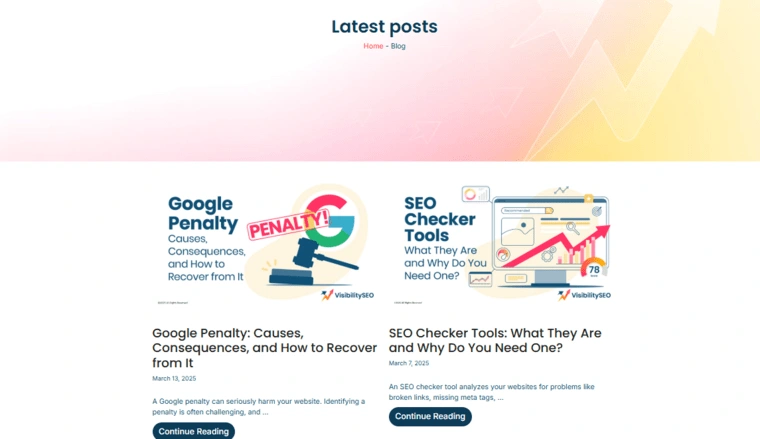
Stay updated on keyword research trends by following industry news and SEO blogs. These resources provide expert advice, practical tips, and new tools.
Trusted blogs include Search Engine Journal, Search Engine Land, Backlinko, Neil Patel, HubSpot, and Visibility SEO blog. Subscribe to their newsletters, podcasts, or social media for regular updates and insights.
4. Analyze Your Competitors
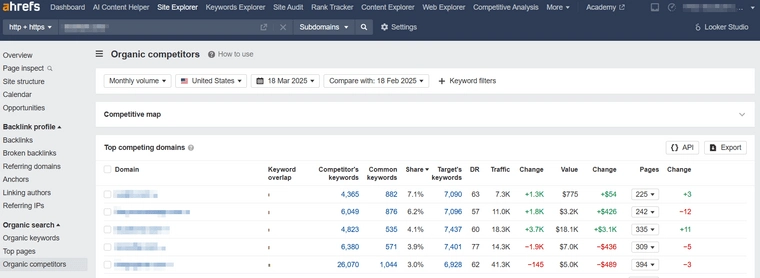
Analysing competitors is a smart way to keep up with keyword trends.
While helping a business coach, we noticed their competitors weren’t using the keyword “executive coaching for small businesses.” This keyword was becoming popular. We added it to their content strategy, and it made a big difference. Their website started showing up more in searches.
Check the keywords they target, their rankings, and the content they create. This can help you find gaps, spot opportunities, and track your progress.
5. Talk to Your Customers

Understanding your audience starts with listening. What do they care about? What frustrates them? Conversations reveal insights that data alone can’t. Ask, listen, and adapt because without connection, you’re making assumptions.
6. Read Q&A Sites
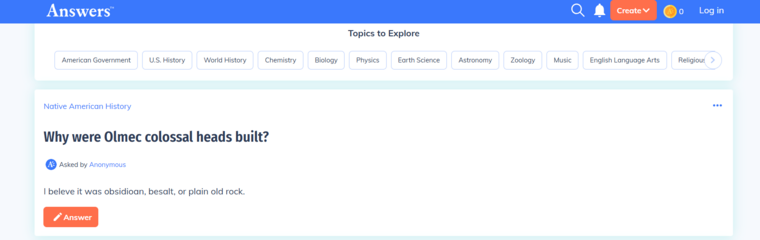
Q&A sites are places where people ask questions and others provide answers. They can also show common patterns. Why do certain questions keep appearing? What’s behind them? It’s not always clear-cut, but they can spark new ideas. Here are some examples to check out:
- Answers.com
- StackExchange.com
- Quora.co
- Ask.fm
- Superuser.com
7. Tracking Performance of Keywords
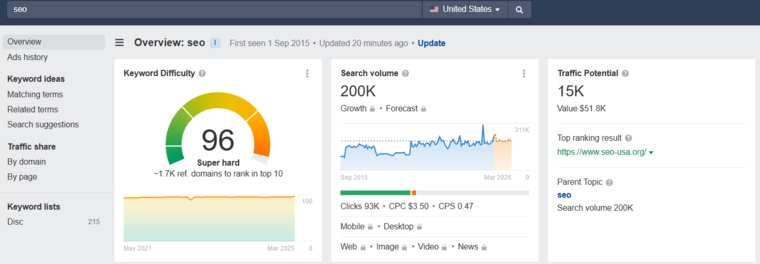
Tracking keywords is part science, part intuition. Numbers provide data, but patterns require observation. Metrics can be misleading clicks don’t always tell the full story, and intent matters too. Search terms often reflect curiosity or routine, and the reality is rarely straightforward.
8. Analyze the SERPs to See How Top Pages Are Changing
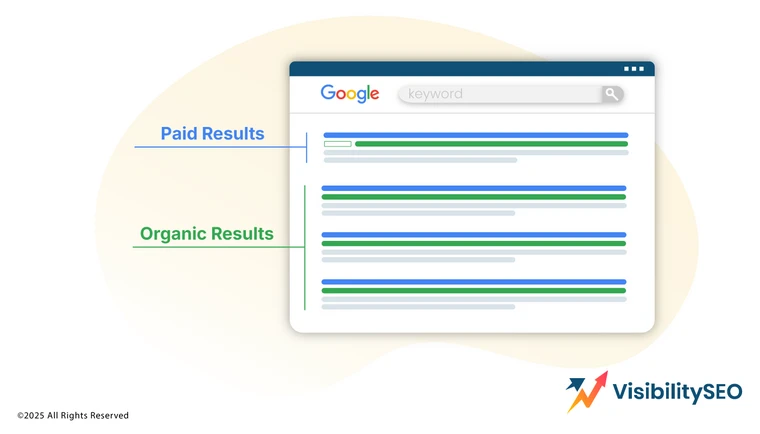
The search game is always changing. What worked before might not work now. So, how do you stay ahead? Start by watching what’s working for others.
- Paid ads: Analyze whether competitors are increasing their ad activity. Take note of their headlines or calls-to-action (CTAs) and observe if they’re adding urgency or making small adjustments. Even minor tweaks can reflect shifts in their SEO strategy.
- Organic content: Review top-ranking pages to see if they’re using longer articles or incorporating more visuals. Staying updated with these trends is essential to avoid falling behind.
9. Keep a Close Eye on Social Media
When it comes to finding the right keywords, social platforms can be goldmines. Let’s break it down:
- YouTube – How about YouTube search? Keywords here act differently than on websites. Think about what you’d type when looking for a “How to” video. Focus on trending, conversational phrases for better visibility.
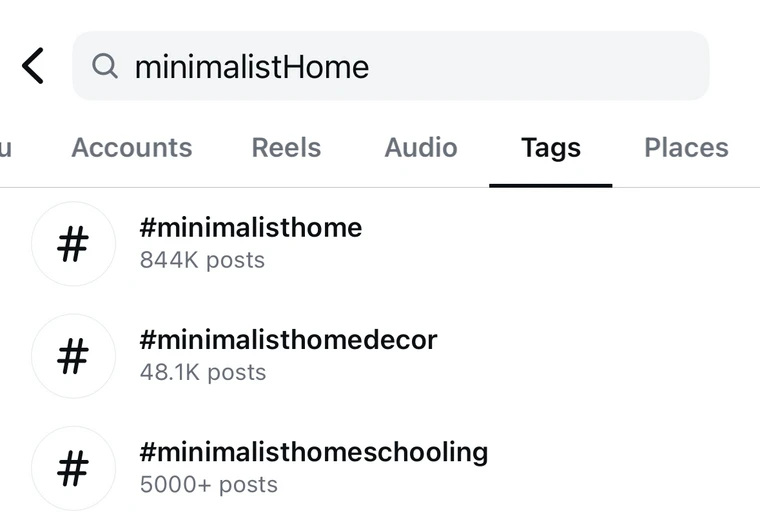
- Instagram – Hashtags are your keywords. Mixing niche tags (#MinimalistHome) with broader ones (#InteriorDesign) can help you reach different audiences.
- X/Twitter – Trending topics are fleeting but powerful. Try hopping on conversations without forcing relevance. If your brand voice doesn’t fit, it’s okay to sit this one out.
- Pinterest – Think of it like a visual search engine. People come here with purpose: planning weddings, DIY projects, and more. Use specific, actionable keywords like “budget-friendly flooring” to stand out.
10. Track and Measure Your Results
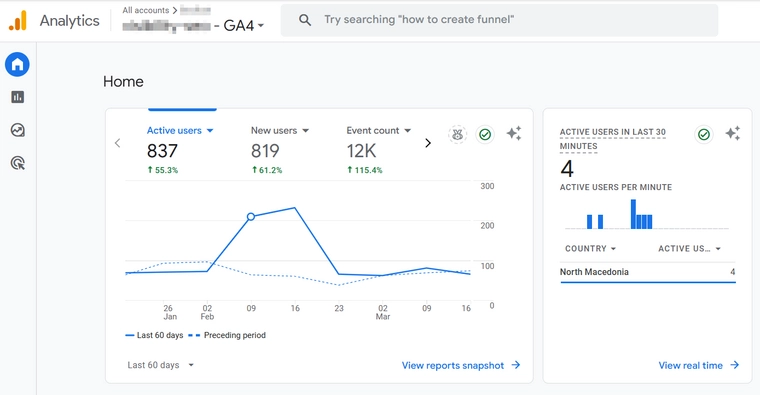
Track your results to see how keywords affect traffic, conversions, and revenue. Use tools like Google Analytics, Google Search Console, or Rank Tracker to monitor metrics such as impressions, clicks, CTR, position, bounce rate, conversions, and ROI.
Tools like Google Trends, Google Alerts, or BuzzSumo can help you follow keyword popularity and sentiment over time across platforms.
What Are the Benefits of Keyword Trends?
Tracking keyword trends can be tricky, but it’s worth it. Keywords aren’t just numbers, they show what people care about right now. Here’s why they matter:
- Better rankings: Keywords are like a map for search engines. They help people find your site. But not all keywords are equal. Using trending, relevant ones is like shining a spotlight on your site. It makes you stand out.
- Better brand awareness: Some phrases just stick in your mind, right? Keywords work the same way. When you use popular ones in your content, you’re not just getting noticed, you’re joining the conversation.

Never Underestimate the Impact of Trending SEO Keyword
Keyword trends aren’t just about rankings, they’re about staying relevant. Search trends come and go quickly. If you ignore them, competitors can get ahead. But chasing every trend can make you lose focus. The key is finding what connects with your audience while staying true to your brand.
FAQs
What are some effective keyword research tools?
Some effective keyword research tools include Google Keyword Planner, SEMrush, Ahrefs, Moz Keyword Explorer, and Ubersuggest. These tools help identify high-performing keywords and analyze search trends to improve your SEO strategy.
What is the first thing you should do before you start doing keyword research?
Before starting keyword research, define your target audience and understand their needs, preferences, and behaviors. This helps you choose relevant keywords that align with their search intent.
What are some free keyword research tools you can use?
Some great free keyword research tools include Semrush free SEO tools, Ubersuggest, Keyword Surfer, Ahrefs Keyword Generator, Google Trends, and SpyFu.
How to find the most searched keywords on Google using Google Trends?
Google Trends is a free tool that shows popular search data from Google and YouTube. To use it, go to trends.google.com and type in a keyword or topic. You can filter results by location, time, category, or type of search.
The tool shows things like how interest changes over time, which regions search the most, and related topics or queries. It’s a great way to find keyword trends and improve your content or business strategy.

- SEO Consultant vs SEO Agency – What is the Difference? - June 25, 2026
- FAQ Schema: A Simple SEO Trick for Better Visibility - December 20, 2025
- What Is YMYL and Why It Matters for SEO? - December 16, 2025