Making content is about connecting with people and helping search engines understand it. That’s where semantic search engine optimization comes in. It gives your content clear meaning and context, so Google knows what it’s about.
Not getting the rankings you want? We get it. At Visibility SEO, we’ve seen it happen to plenty of websites. That’s why we created this guide. It explains semantic SEO in simple terms and includes a checklist to help you fix your strategy.
Let’s make your content work smarter, not harder.
What Is Semantic Search and How Does It Influence SEO?
Semantic SEO is the process of creating content based on topics rather than just keywords. It prioritizes understanding search intent and providing clear, useful information that meets user needs. This method improves search engine rankings and makes content more relevant for readers.
Its Impact on SEO
In the past, Google decided what a page was about by looking at keywords. If a page kept using the words “business coach,” Google thought the page was about business coaching. People used to rank higher in search results just by repeating keywords a lot.
That changed in 2013 with Google’s Hummingbird Algorithm. Instead of just looking for repeated words, Google started understanding the overall meaning of a web page. It worked more like how a person reads and understands content.
For example, before Hummingbird, if you searched “strategies to grow as a business coach,” Google would mostly show pages with that exact phrase.
After Hummingbird, Google became smarter. It doesn’t just look for exact matches anymore. It looks for detailed, useful information on the topic, like “growth strategies for business coaches.”
Keywords still matter, but now the focus is on content that actually answers your questions. This update helps people find better and more relevant search results.
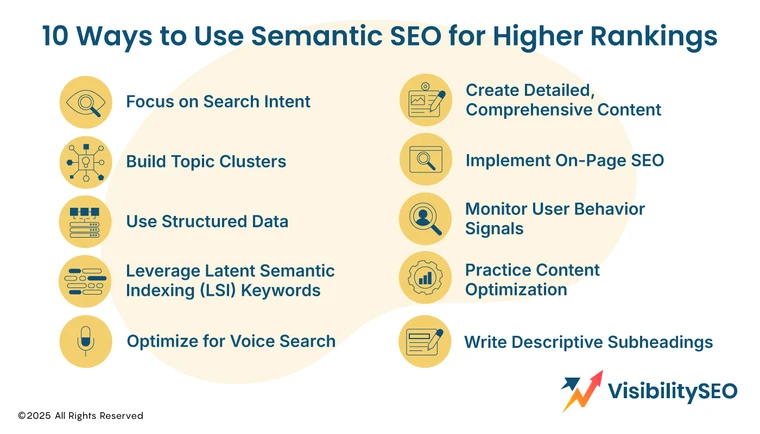
10 Ways to Use Semantic SEO for Higher Rankings
Here are nine ways to use Semantic SEO to achieve higher rankings.
1. Focus on Search Intent

Search engines try to figure out what people really mean. For example, someone might type “SEO” in the search bar, but what they’re really asking is, “Can I use SEO to market my business?” Instead of showing simple definitions, search engines now show results about SEO strategies.
To get noticed, you need to understand what your audience is looking for and how they ask their questions. Are they trying to learn something? Buy something? Explore their options? Focus on answering their real questions, not just matching keywords.
Make your content useful and relevant to what they need.
2. Build Topic Clusters

Based on our case studies, we know topic clusters are a simple way to improve your website’s links. Here’s how it works: you group related content around one main page, which is called a pillar page.
Each article focuses on its own keyword and connects back to the pillar. The pillar page covers the big picture, while the smaller articles dig into details.
This setup helps your site rank higher in search results, builds trust with users, and lets you target more keywords. It’s a smart, proven way to boost SEO, and we use it all the time.
3. Use Structured Data Markup

Structured data helps Google and other search engines understand your content better. It boosts your chances of showing up in rich snippets and ranking higher in search results.
By using structured data markup, you organize your content in a way that’s clear and easy for search engines to read. This extra detail makes sure your content is understood correctly, which can help more people find it.
4. Leverage Latent Semantic Indexing (LSI) Keywords
Latent Semantic Indexing (LSI) helps search engines understand what your content is really about. It’s not about repeating the same word over and over. Instead, it’s about using related terms.
For example, if you’re talking about “golf clubs,” you might also mention “golf gear,” “best irons,” or “putting techniques.”
Why does this matter? Using LSI keywords makes your writing sound more natural and easier to read. It also helps search engines connect the dots.
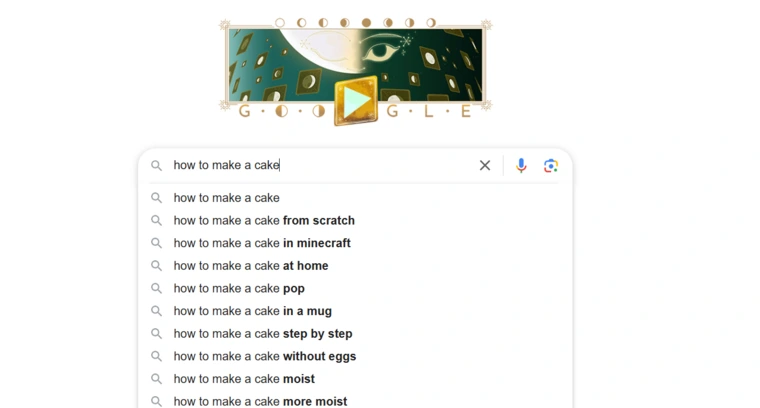
Need ideas for related words? Try Google Suggest. The dropdown suggestions in search can give you useful keywords fast.
5. Optimize for Voice Search

Voice search is growing quickly. In the U.S., 62% of adults use voice assistants, and 35% own a smart speaker. This means businesses need to adapt. Use simple, everyday language, like how people actually talk.
Make sure your business is listed on platforms like Google Business Profile to help with local searches. Adding an FAQ page with clear answers to common questions will also make it easier for people to find your website using voice search.
6. Create Detailed, Comprehensive Content

Good content matters for Semantic SEO. If your article covers a topic well, it’s more likely to rank higher. Here’s how to make your content better:
- Do Your Research: Use reliable sources so your facts are correct.
- Write In-Depth Articles: Go deeper into the topic and look at it from different angles. Longer content often does better.
- Keep It Simple and Clear: Use headings, bullet points, and images to make it easy to read and understand.
7. Implement On-Page SEO
Traditional SEO is all about focusing on one keyword. But we take it further with something called semantic SEO.
It’s about understanding what people really want and making content that helps them. This means organizing your site clearly, adding internal links, and using videos or images to keep things interesting.
We also include synonyms and related terms to make the content more complete. At Visibility SEO, we focus on creating content that connects with users and keeps them coming back.
8. Monitor User Behavior Signals

Search engines notice how visitors interact with your site. If users leave quickly, it could mean your content isn’t working. Here’s what you can do:
- Write clear and engaging headlines and introductions.
- Use visuals like videos or infographics to keep attention.
- Make sure your site loads quickly. Tools like Google PageSpeed Insights can help.
9. Practice Content Optimization

Making great content is all about balance. Keywords are important, but don’t stuff them everywhere. Use clear headings so readers can follow easily. Meta descriptions? They’re like a quick preview of your content.
Keep your content updated, nobody likes old, outdated info. And here’s the golden rule: write for people, not just for search engines. At Visibility SEO, we always remind ourselves of this. If we wouldn’t want to read it, why would anyone else?
10. Write Descriptive Subheadings
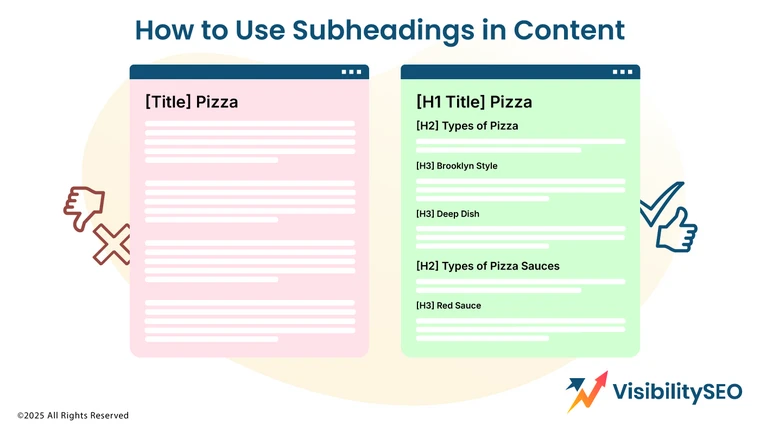
Subheadings help organize content and make it easier to read. They also show search engines how your content is structured.
Avoid vague phrases, they don’t help readers or search engines. Instead, keep subheadings clear and specific. Simple and direct language works best to keep readers focused and engaged.
Benefits of Semantic SEO
Optimizing your content for user intent has several benefits:
- Better User Experience: Clear and relevant content helps users quickly find what they’re looking for, making their search experience smoother.
- More Organic Traffic: Covering key topics and related subtopics increases your chances of showing up in more search results.
- Higher Quality Traffic: When your content matches what users are searching for, it attracts visitors who are more likely to engage or convert.
- Stronger Brand Presence: Addressing user intent helps your brand appear in searches across different stages of the customer journey.
The Impact of AI and NLP on Semantic SEO
Semantic SEO has changed a lot thanks to AI and natural language processing. These tools help search engines understand and rank content better. But are they perfect? Not yet. Let’s break it down:
- Google’s Knowledge Graphs
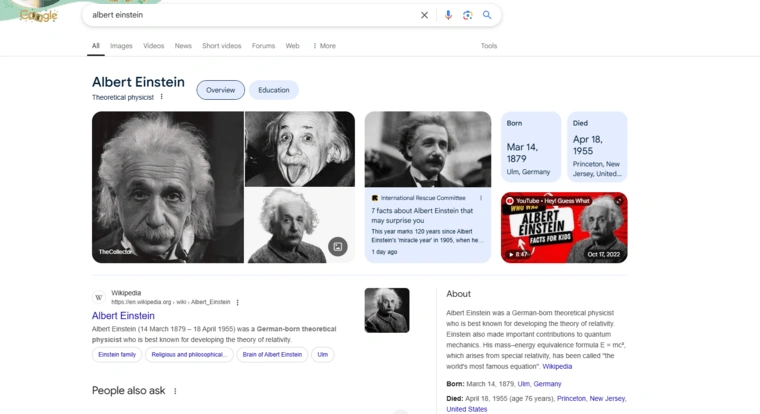
Started in 2012, the Knowledge Graph connects topics and relationships. That’s how you get those quick info boxes when you search for a celebrity or place. Pretty cool, but it doesn’t always cover everything.
- RankBrain
Launched in 2015, RankBrain uses machine learning to guess what you mean when Google isn’t sure. It looks at past searches to figure things out. It’s smart, but not perfect, mistakes still happen.
- Hummingbird Algorithm
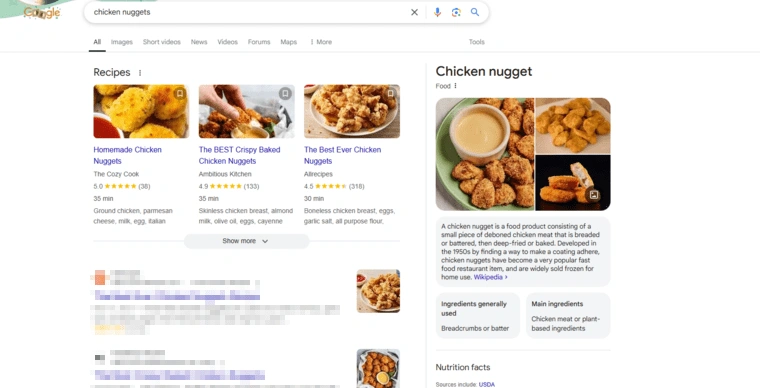
Back in 2013, Hummingbird shifted the focus from keywords to meaning. It started paying attention to full sentences instead of just words. Nice improvement, but it still struggles with figuring out intent sometimes.
- BERT
By 2019, BERT made Google understand the context better. It knows when words like “to” or “for” change the meaning of a sentence. Great for conversational searches, but even BERT misses context now and then.
- Search Generative Experience (SGE)
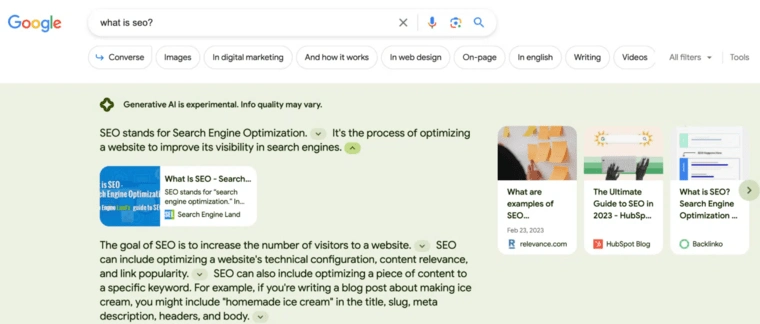
In 2023, SGE started creating detailed, interactive answers right in the search results. It’s helpful, but some say it oversimplifies things. People are still getting used to it.
Stay Relevant on Search Engines with Semantic SEO
Writing for people and search engines doesn’t have to be difficult. Focus on making your content clear and easy to follow. Use different keywords, organize your pages logically, and keep the tone approachable.
Need support? Our SEO team can improve your content with better keywords, topic groups, and straightforward layouts to improve your rankings.
FAQs
How does Google use semantic web search?
Google is smart. When you type search queries, it doesn’t just look at the words you type. It tries to understand what you really mean. It looks at how your words connect and figures out what you’re trying to find.
Why does this matter? It helps you get answers faster and more accurately. Whether you need a recipe or help with a math problem, Google works to give you exactly what you need.
What is the difference between traditional SEO and semantic SEO?
Traditional SEO is about using exact keywords to match what people type into search engines. Semantic SEO goes a step further. It focuses on understanding what people really mean when they search for something.
Instead of just stuffing in keywords, it’s about creating useful content that actually answers their questions. It also adds related topics to give more value.
This method uses natural, everyday language so it’s easier for both people and search engines to find the right answers.
What SEO tools can help with Semantic SEO?
SEO tools help you improve your content. They find related words, show what people are searching for, and make your writing more useful. Struggling to pick keywords with high search volume? Tools like LSI Graph, Surfer SEO, SEMrush, and Ahrefs can help.
Want to know what questions people are asking? Try Google Search Console, AnswerThePublic, or Ubersuggest. These tools help you organize your ideas and create content that your audience actually wants to read.
What is Semantic keyword research?
Semantic keyword research is about finding popular words people search for and understanding what they mean. It also looks at how those words connect to other ideas. This helps you make content that answers what people really want to know.
When done right, your content becomes easier to find and more fun to read.
What is an example of semantic SEO?
At Visibility SEO, we know how strong semantic SEO can be. It’s about focusing on one main keyword while adding related words and answering common questions.
We make sure the topic is clear and easy to understand. This helps search engines figure out what it’s about, so it shows up in the right searches. Simple, but effective.

- SEO Consultant vs SEO Agency – What is the Difference? - June 25, 2026
- FAQ Schema: A Simple SEO Trick for Better Visibility - December 20, 2025
- What Is YMYL and Why It Matters for SEO? - December 16, 2025