If a company has more than one location, it must use the right SEO strategies to get listed online at each location. The highest engagement of people’s searches comes from multiple-location SEO. It helps capable local customers find you when they do a search, based on their area of search. Owners with multiple businesses are aware they need to know how multiple-location SEO works, but do not and do not care to employ it correctly to represent their marketing efforts.
This guide will cover everything you need to know about local SEO for multiple locations for this reason. It will cover why local SEO matters and how to do it right. If you are a small business or a large business with multiple locations, it will provide the information you need to increase your online visibility in every location of your business.
What Is Multiple-Location SEO?
Multi-location SEO is a form of local search engine optimization that allows businesses to rank in local search results for multiple locations. Multiple locations SEO allows businesses to target many different locations, rather than just one city or town.
Multiple locations SEO allows you to optimize your business to rank locally for each physical location by utilizing location-specific content and strategies. Multi-location SEO allows every physical location to get the exposure it needs online.
This is particularly beneficial for businesses like restaurants, stores, or service businesses that function in more than one location. SEO for multiple locations allows them to create local content, establish local business listings, and affect search engines when individuals search for something in a locality.
Why is Local SEO for Multiple Locations Important?
In today’s digital landscape, visibility is everything—especially for businesses with multiple locations. Local SEO tailored to each location ensures your brand connects with the right customers, exactly where they’re searching.
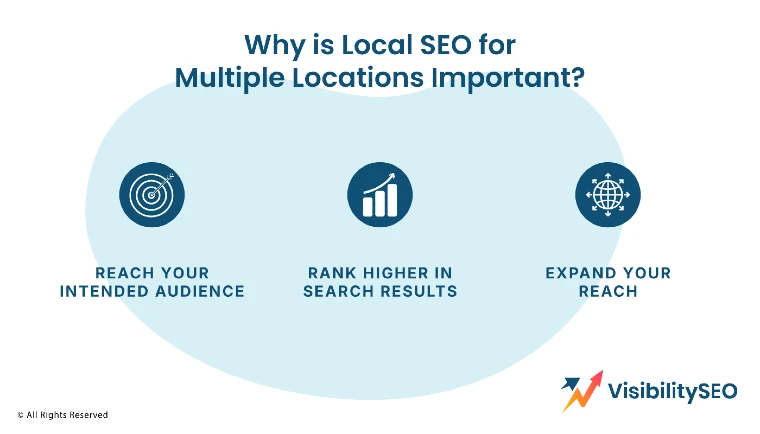
- Reach Your Intended Audience: Local SEO for multiple locations promotes your visibility to the audience in the same physical area you serve. When people search online for services or products in their city, they are typically interested in going to a local business nearby. Your business can utilize local SEO to be visible to these users in every single city or neighborhood.
- Rank Higher in Search Results: Search engines, like Google, want to provide users with the best and relevant results. This means that if you have optimized content for a local area, you are likely to rank higher in local search results. A strong multi-location SEO strategy can propel your website to the top of search results for every local area where you operate.
- Expand Your Reach: SEO for multiple locations allows you to connect with more people than only within a specific area. You can expand your business by being recognized in new places. Once you develop location-specific content, along with optimizing for local keywords, you will begin to appear in searches, attracting new customers from many different places.
A strong multi-location SEO strategy not only improves your search rankings but also drives meaningful traffic from each target area. By optimizing for local relevance, your business can grow its footprint and attract more customers across all your service regions.
12 Steps to Optimize for Multiple Locations
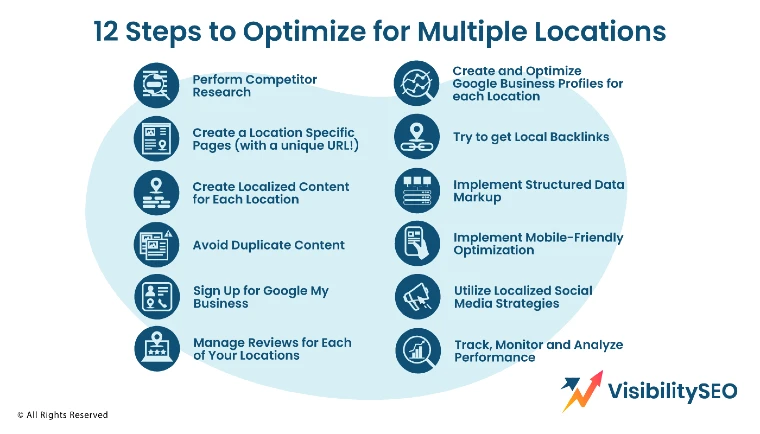
Optimizing your SEO for multiple locations involves many different steps. Each step helps your local business become more visible in each region it serves. Below are 12 important steps to follow.
1. Perform Competitor Research
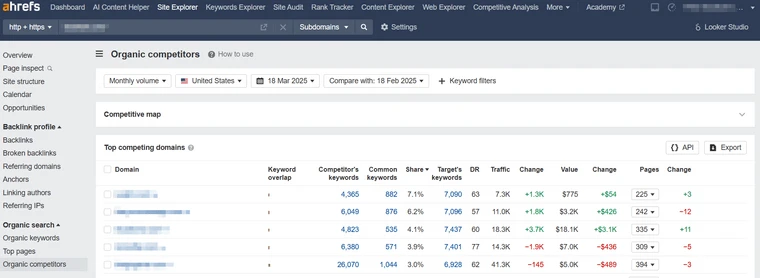
Before doing anything else, see what your competitors are doing. Look at the businesses in each location and see how they are ranking in local search results. Find out what local keywords they are using and what kind of content they have. This research helps you know what works and what doesn’t. It also gives you ideas for further optimization. Competitor research is the first step to building a strong multi-location local SEO plan.
2. Create Location Specific Pages (with a unique URL!)

You should create a different page on your website for each location. These are called local landing pages. Each one should have its own URL that includes the city or neighborhood name.
This helps search engines understand that each page is about a different location. These pages should include the local address, phone number, and other details that match that business location. It’s important for local seo efforts.
3. Create Localized Content for Each Location
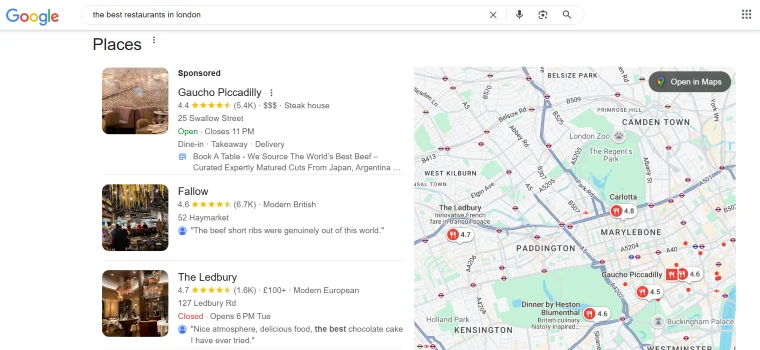
Creating localized content for each business location is a powerful way to connect with your community and improve search visibility. Tailoring your content to reflect the unique aspects of each area makes your website more relevant and engaging to local customers.
- Store Location: Mention the physical location on each page clearly. Include directions or nearby landmarks. This makes it easier for people to visit your store. Also, adding a clickable map or embedded Google Maps can enhance user experience and improve local SEO.
- Images: Use images of the actual location. Show the storefront, staff, or even local community events. This builds trust and makes the page more useful. Authentic photos also signal to search engines that your content is specific and locally relevant.
- Product Pages: Make sure your product pages show what’s available at that location. If some products are only in certain stores, say so. This helps manage customer expectations and encourages visits to the correct location.
- Service Pages: If your services are different depending on the area, talk about it. Local service pages help target potential customers in that region. Detailed service descriptions tailored to each location increase your chances of showing up in local searches.
- Blog Posts: Write blog posts about local news, events, or promotions. This boosts your local content and helps with local SEO campaigns. It also shows community involvement, which can build stronger relationships with local audiences.
4. Avoid Duplicate Content
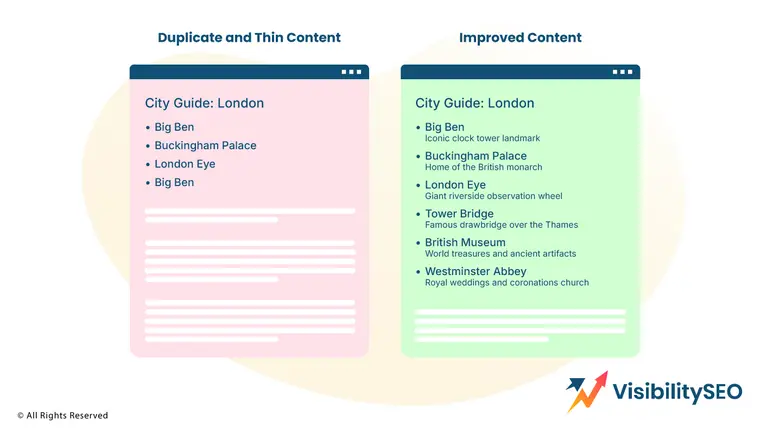
Don’t copy and paste the same content on each location page. Google doesn’t like duplicate content, and it can hurt your rankings. Write unique content for every page that talks about the specific city and local promotions. Use relevant local keywords for each area. This helps with search engine optimization and makes your pages stand out.
5. Sign Up for Google My Business
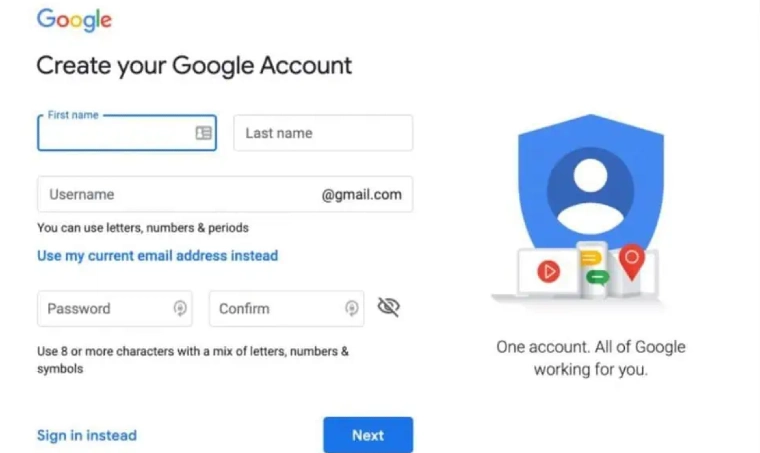
Google My Business is one of the most important tools for local SEO. Sign up each business location with its own account. Add the correct name, address, and phone number (NAP). This helps you show up in Google Maps and local listings. Make sure all the information is correct and the same on every platform.
6. Manage Reviews for Each of Your Locations
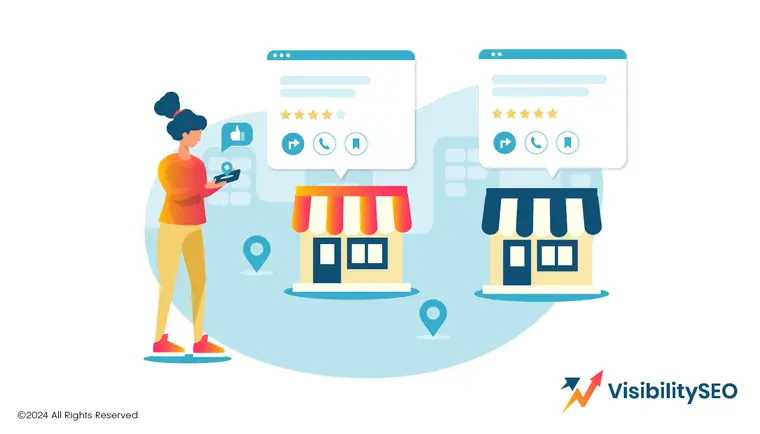
Online reviews are very important for local businesses. Ask customers to leave reviews and reply to them. Good reviews improve trust and help with local search rankings. Try to get reviews for each location. This shows that your business cares about local customers and helps with your multi-location SEO strategy.
7. Create and Optimize Google Business Profiles for Each Location
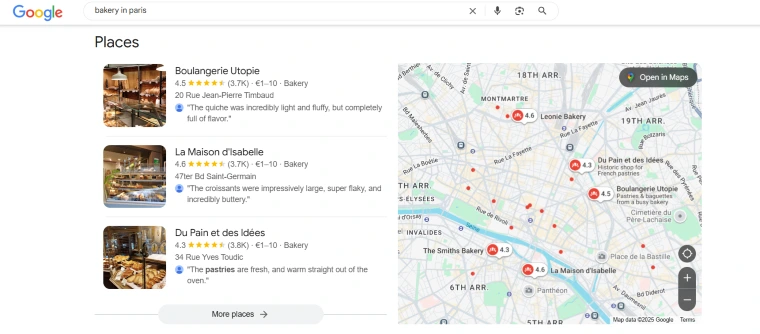
Each location should have its own Google Business Profile. Add photos, hours of operation, and other helpful information. Optimizing your Google profile helps with local search engine optimization. It’s another way to appear in search results when people look for a particular location.
8. Try to Get Local Backlinks

A backlink is when another website links to yours. Local backlinks are links from local websites in your community. These can come from local blogs, news sites, or business directories. These links show that your business is trusted in the local community. The more good backlinks you have, the better your local seo will be.
9. Implement Structured Data Markup
Structured data helps search engines understand your content better. Use a special code to tell Google about your business, such as your address, phone number, and hours. This can help your business show up in rich results, like maps or ratings. It also helps your pages stand out in search traffic.
10. Implement Mobile-Friendly Optimization
Most people search on their phones. Your website should work well on mobile devices. Make sure pages load fast and buttons are easy to click. A mobile friendly site helps with both user experience and search engine optimization. It can also lead to more conversions from local customers.
11. Utilize Localized Social Media Strategies

Use social media to connect with people in each location. Share local events, photos, and deals. Talk about things happening in the local community. Social media helps bring attention to each location and supports your local seo campaign. It’s also great for sharing your local landing pages.
12. Track, Monitor and Analyze Performance

You need to know if your SEO strategy is working. Use tools and data to see what’s going on. Regular tracking helps you understand what’s driving organic traffic and what needs improvement. With the right insights, you can fine-tune your local SEO efforts for even better results.
- Use Google Analytics: Track how many people visit each location page. See where they are coming from and what location specific keywords they use. You can also measure how long visitors stay on your pages, which helps gauge engagement and content quality.
- Set Up Local Listings: Make sure you are listed in local business listings. This includes online directories and maps. Consistent business information across listings builds credibility and improves your chances of appearing in local searches.
- Track Keyword Rankings: See how your keywords are performing. Are you ranking higher over time? This tells you if your local SEO efforts are working. Use tools like Google Search Console or third-party SEO platforms to track changes and spot new keyword opportunities.
- Monitor Reviews and Ratings: Check reviews often. Make sure you reply and fix any problems. This keeps your reputation strong. Positive reviews also influence your local rankings and can drive more traffic to your business.
- Analyze Conversion Rates: Look at how many visitors take action. Are they calling or filling out forms? This shows how effective your pages are. Improving your calls to action and page design can help increase conversions over time.
Optimizing for multiple locations takes time and attention to detail, but the payoff is well worth the effort. By following these 12 steps, you can boost visibility in every area you serve, attract more local customers, and drive real business growth across all your locations.

What’s the Benefit of Multi Location SEO?
In order to be seen in local searches, if you have more than one location for your business, you will need to optimize for each of them. Multi-location SEO is an essential solution that will help ensure that each branch of your business reaches the audience it needs through highly customized content. With a comprehensive strategy, you can amplify visibility, attract more customers, and develop your brand in all markets.
- Boost Local Marketing Results
Multi-location local SEO improves your marketing. It helps you target people in each area with the right message. That means better ads, better posts, and better results. When each location has its own content and strategy, it makes your whole business stronger. It helps you reach your goals faster.
This targeted approach leads to better engagement, higher conversion rates, and a more efficient use of your marketing budget. When each location operates with its own content and strategy, your overall marketing efforts become more cohesive and impactful, helping your business grow faster and more effectively.
- Attract Local Customers
The main goal is to get more customers in each location. By using location seo and local content, you get noticed by the people who live nearby. This helps drive more foot traffic and phone calls. Attracting local customers helps you grow in each area.
This visibility drives real-world actions like increased foot traffic, phone inquiries, and online appointments or purchases. By appealing directly to nearby consumers, you build stronger connections with your community and create a loyal, location-based customer base.
- Boost Brand Awareness
When your business shows up in many different search results, more people learn about your brand. Local keywords and local listings help you get seen more often. The more people see your name, the more they trust you. Brand awareness is a big part of long-term success.
Over time, this frequent exposure contributes to greater brand recognition and a stronger reputation in every market you serve. Increased brand awareness leads to more word-of-mouth referrals and positions your business as a trusted name in each community.
While multi-location SEO gets you better rankings, it also helps you reach a wider audience, build your brand, and get more visible locally in each region where you operate. By utilizing this strategy, your business will be more set to compete, engage, and succeed in multiple markets.

Why Local SEO (Sometimes) Fails
Even with the right intentions, local SEO strategies can sometimes fall short. Understanding why local SEO fails is key to avoiding common mistakes and improving your visibility in competitive markets.
- Localized Content: If your content isn’t specific to each location, your pages won’t rank well. Generic content won’t attract local search traffic. That’s why it’s better to always use location-specific keywords.
- Local Citations: Missing or wrong local citations can confuse search engines. Make sure your NAP is the same everywhere. This builds trust with search engines and users.
- Local Competition: Some areas have a lot of local competition. You need a strong seo strategy to stand out. Better content, more reviews, and strong backlinks can help.
- Local Review Management: If you don’t reply to reviews or fix problems, it can hurt your ranking. People want to see that you care. Keep your review pages active and helpful.
- Consistent Brand Identity: Each location should still feel like part of the same brand. Use the same logos, colors, and voice. This helps with trust and recognition.
To succeed in local SEO, every detail matters—from accurate citations to location-specific content and consistent branding. By addressing these common pitfalls, your business can build a stronger local presence and achieve better long-term results.

Stay Visible Across All Your Locations
To succeed, your business needs to be visible in every city you serve. Use SEO for multiple locations to reach more people and grow your brand. With the right tools and steps, you can stand out in local search rankings and bring more customers to your doors. Consistent optimization across locations also helps build trust with search engines and your audience. When each location is easy to find online, customers are more likely to choose your business over competitors.
Building local authority in each area takes time, but it pays off with increased traffic and stronger community ties. By investing in tailored content, accurate listings, and customer engagement at the local level, you make it easier for people to discover and connect with your business. Multi-location SEO not only boosts visibility, but it also creates a foundation for lasting growth across all your markets.
FAQs
How do I ensure consistency in NAP (Name, Address, Phone number) across all locations?
To keep your NAP consistent, always double-check your listings on every platform. Use the same format and spelling everywhere. This includes your website, Google Business Profiles, and local business directories. Keeping things consistent helps search engines trust your information.
Is it good for SEO to have multiple domains?
Using multiple domains can make SEO harder. It’s usually better to have one main domain with different location pages. That way, all your SEO efforts help one strong website instead of splitting them. Multiple domains can work, but only if you manage them carefully.
Should E-Commerce businesses optimize for multiple locations?
Yes, even e-commerce businesses can benefit from multi-location SEO. If you ship or offer services in different areas, you should create location specific content. This helps you rank better in local search results and reach potential customers in each area. It can also improve trust and sales.
How do I add multiple locations to Google?
You can add multiple locations to Google by using Google Business Profile. Create a profile for each location using the correct address and phone number. Make sure each listing is verified and updated regularly. This helps your business show up in local search and maps.

- SEO Consultant vs SEO Agency – What is the Difference? - June 25, 2026
- FAQ Schema: A Simple SEO Trick for Better Visibility - December 20, 2025
- What Is YMYL and Why It Matters for SEO? - December 16, 2025