SEO is super important for any online marketing plan, but it can feel overwhelming. There are so many strategies and techniques that it’s hard to know where to start. That’s where we come in at Visibility SEO. We help make it simple.
When you understand the main types of SEO, you can make your website better for visitors and easier for search engines to find. It also helps you build a solid strategy and figure out what needs fixing on your site.
In this post, we’re breaking down the different types of SEO and why they matter. Our goal? To help you plan your search strategy, rank higher, and beat your competitors. Let’s dive in!
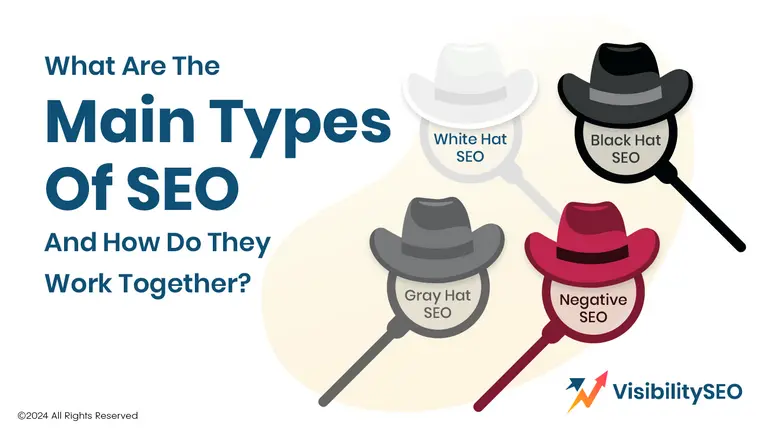
4 Main Types of SEO
Search engine optimization (SEO) is not just a one-time strategy. To effectively use SEO on your website, it’s important to explore the four main types, which are:
White Hat SEO
White hat SEO is the safest way to improve your website’s ranking on Google. It follows Google’s rules to help your site rank higher and grow your business. Here are some simple SEO techniques you can use:
- Create great content: Write blogs, make videos or design infographics that people want to see. For example, at Visibility SEO, we created a blog about “SEO for Beginners” that brought in hundreds of visitors in just a month. Good content gets leads to visit your site and keeps them interested.
- Fix your website’s code: Clean up messy code, remove unnecessary text, and improve performance. A faster and cleaner website works better, which helps your ranking.
- Make your site easy to use: A well-designed website makes people stay longer. Use clear menus, good photos, and engaging features like videos. If visitors get frustrated, they’ll leave—and that’s bad for rankings.
- Share your content on social media: Platforms like Instagram, Facebook, and LinkedIn can drive traffic to your site. More people clicking on your site equals better rankings.
At Visibility SEO, we always say, “White hat SEO takes time, but it works.” These techniques might not give you instant results, but they last.
If Google updates its algorithm and your ranking changes, you’ll know you’re using the right methods. You might need to tweak your marketing strategy a bit, but you’ll recover quickly.
Stick to white-hat SEO, and you’ll see steady, long-term growth.
https://www.youtube.com/watch?v=TLTizhfvO5w&ab_channel=Shinefy
Black Hat SEO
Black hat SEO involves techniques to manipulate search algorithms for higher rankings. Some businesses use them for quick results, seeking instant gratification with little effort. However, these methods harm businesses in the long run.
Tactics include link spamming, keyword stuffing, cloaking, hidden text/links, using irrelevant keywords, over-optimizing HTML headings, copying content and buying links. These improve rankings temporarily.
Google eventually detects these methods and will punish your site. Search engines can penalize and even ban your site from search engine results. Google wants to deliver relevant results and will punish those who shortcut their way to the top.
https://www.youtube.com/watch?v=FohYVpSTy6c&ab_channel=Shinefy
Gray Hat SEO
Gray hat SEO is between good and bad SEO practices. It’s not good for your site, but it’s not completely wrong either. That’s why it’s called “gray” – it’s in a gray area.
These techniques aren’t officially banned by Google, but they aren’t exactly honest ways to get traffic. They’re risky and often advertised as “cheap solutions.” Companies use gray SEO to save money by cutting corners.
Some common gray hat SEO tactics include reusing or spinning content, writing clickbait headlines, swapping links with other sites and paying for fake reviews. These tricks help sites rank higher in search results but can backfire.
Google doesn’t punish gray hat SEO outright, but relying on it can hurt your website in the long run. It’s not the best way to grow.
https://www.youtube.com/watch?v=ge_76sQF4FU
Negative SEO
Negative SEO is a problem your business might face. It doesn’t come from you – it comes from others. Competitors often use it to hurt each other.
The goal of negative SEO is to damage a competitor’s reputation. Some businesses use bad tactics, like gray or black hat methods, to lower a rival’s rank and improve their own.
Common tricks include posting fake bad reviews, creating spammy links to your site or hacking websites to mess with content. The purpose? To harm other businesses for personal gain.
It’s hard to stop because you can’t control what others do. That’s why it’s important to keep a close eye on your SEO activity. Spot unusual changes early and take action to protect your site.
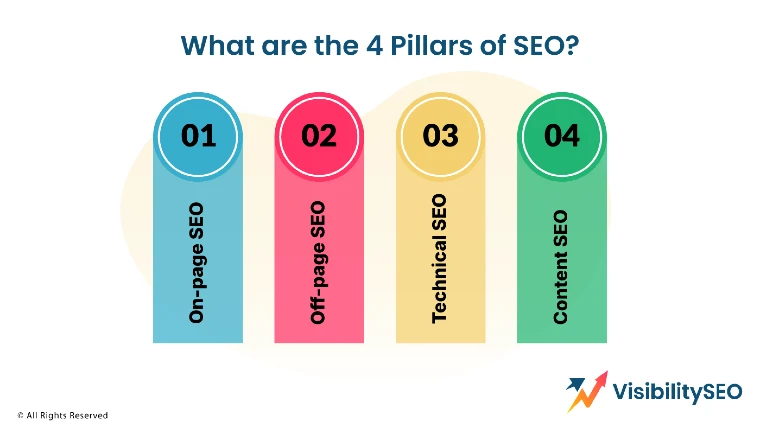
What are the 4 Pillars of SEO
To get the best results from SEO, you need to use the right strategies for your business. Let’s break down the different types of SEO that can boost your online presence and drive traffic to your site.

On-page SEO (On-Site SEO)
On-site SEO improves your website, so it ranks higher on Google and gets more visitors. Here’s what it includes:
- Keyword Research: This is finding the words people search for online. For example, if people search for “best sneakers,” you add those words to your website so it’s easier for people to find.
- Quality Content: Good content talks to your audience and helps search engines understand your site. It’s about what people need, uses relevant keywords naturally, and gets shared or linked to by others.
- Metadata Optimization: Metadata means things like title tags and meta descriptions. These are the snippets you see on Google’s search results. For instance, we at Visibility SEO make sure titles clearly explain the page, like “Affordable SEO Services for Small Businesses.”
- Internal Linking: Got a bunch of pages on your site? Link them together. It helps visitors get around and Google understand what your site’s about.
- URL Structure: Messy URLs? Fix them. Keep it simple, use keywords. Think “site.com/best-sneakers,” not “site.com/page123.” Makes it cleaner and easier to find.
- Image Optimization: Images matter. Name files clearly, add alt tags. Why? Better Google visibility, faster load times and an all around smoother experience for everyone.
When you optimize these things, your site gets noticed more and becomes easier for people and search engines to understand.

Off-page SEO
Off-page SEO, or off-site SEO, helps a website rank higher on Google by focusing on things outside the site itself. This includes getting backlinks from other websites and promoting your site on social media. The goal is to build the site’s authority, reputation, and relevance which can lead to better rankings and more visitors.
Here are some common off-page SEO methods:
- Guest blogging: Write articles for other websites and add a link back to your own. This brings more visitors and builds trust.
- Internet ads: These are paid ads you place on other websites or search engines to attract more people to your site.* Competitor research: Look at what your competitors are doing—like the links they have and the keywords they use—so you can improve your SEO strategy.
- Press releases: Ever thought about sharing your news with the media? Sure, it’s not always easy but it can bring backlinks, customers and visibility.
- Brand signals: Social media, mentions, directories—these small things add up. Are they perfect? No. But they show search engines your brand is active and credible.
- H.A.R.O (Help a Reporter Out): Journalists need answers. You’ve got expertise. Why not connect? It’s a shot at mentions, backlinks and hey, a little recognition never hurts.
These help search engines trust your website more which can boost your rankings and traffic.
Technical SEO
Technical SEO is all about making websites easier for search engines to read and understand. This improves rankings and makes websites better for visitors too. It includes things like speeding up your site, fixing broken links and setting up redirects properly.
- Site Structure: Organize your website so it’s easy to navigate. This helps visitors and search engines find what they need quickly.
- Mobile-Friendliness: Make sure your site works well on phones and tablets. It should adjust to different screen sizes and still be easy to use.
- Site Load Time: Speed up your site. A fast site keeps visitors happy and helps with rankings.
- Crawl Errors: Broken links? Missing pages? These hiccups block search engines from properly crawling your site. Fixing them clears the path for better visibility.
- Duplicate Content: Too much duplicate content dragging you down? It can confuse search engines—and hurt your rankings. Time to clean it up.
- Keyword Cannibalization: Competing pages targeting the same keyword? It splits your traffic and weakens performance. Addressing this can make a big difference.
By working on these areas your site becomes clearer, faster, and more user-friendly.

Content SEO
Content SEO helps people and search engines find and understand your website. It makes your site show up in searches for things you offer. Here’s how it works: Use the right keywords—words people search for—but don’t overuse them. Add them naturally.
Your content should solve problems or answer questions. If it’s good and helpful, readers will stay longer which shows search engines your site is valuable. Use headings, short paragraphs, and simple sentences to make it easy to read. Add images, videos, or links to improve it. Good content isn’t just for search engines; it’s for people too.
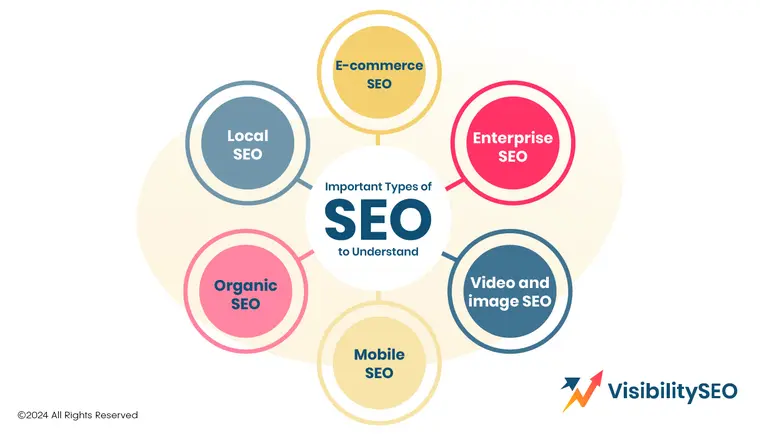
Other Types of SEO to Consider
In addition to the above SEOs, there are many more you can invest in for your business
1. Organic SEO
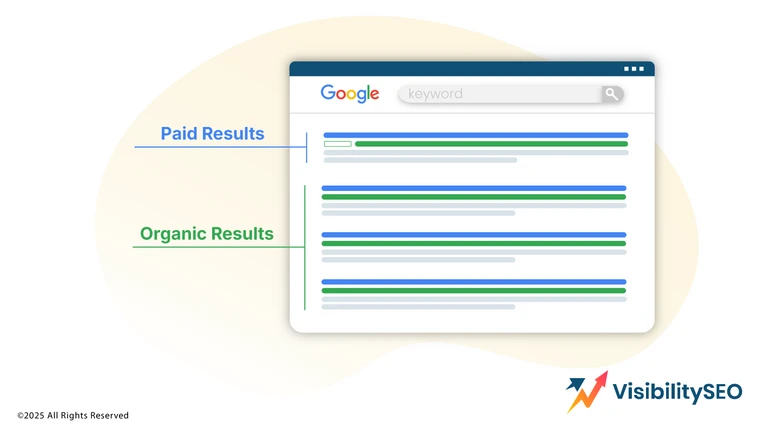
Organic SEO is the most common type of search engine optimization. It’s what most people think of when they hear “SEO.” At Visibility SEO, we focus on organic SEO because it gets your website to show up in search results without paying for clicks or ads.
Here’s how it works: Organic SEO uses free methods to improve your site’s ranking. This includes optimizing keywords, creating useful content, and making your site easy to navigate. While the strategies are free, you still pay professionals like us to do the work.
Why does this matter? Organic SEO gets your business noticed and reaches more people naturally. That means more potential customers find you without extra ad costs. It’s a smart, long-term way to grow.
2. Local SEO
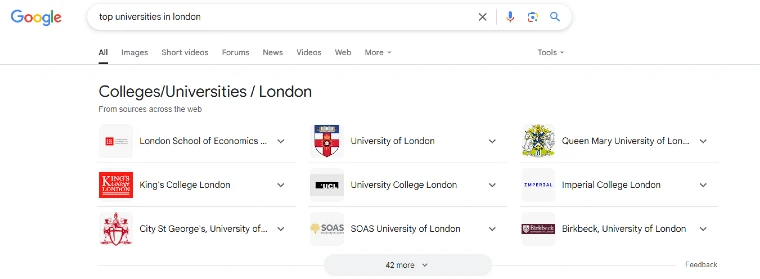
Local SEO helps businesses show up in Google for people nearby. It looks at how people search for things in their area. By using local SEO, your business can rank higher on Google and local maps. That means more people will find you, visit your website, and help your business grow.
3. Ecommerce SEO

Ecommerce SEO refers to tactics that get your online store noticed without spending a lot of money. It makes sure your site shows up when people search for products or services. If your store doesn’t show up in search results, you could miss out on new customers. To fix this, focus on checking out your competitors, improving your homepage, and organizing your website better. These steps will bring in more visitors and boost your search engine rankings.
4. Enterprise SEO

Enterprise SEO isn’t perfect, but it’s powerful. Struggling to stand out among competitors using the same keywords? It happens. With the right strategy, though, your site can rank higher, making it easier for people to find you. The key? Target the right keywords. Sure, it takes time, but the payoff (more traffic, more sales, more growth) can be huge. So why not start refining your SEO today?
5. Video and Image SEO
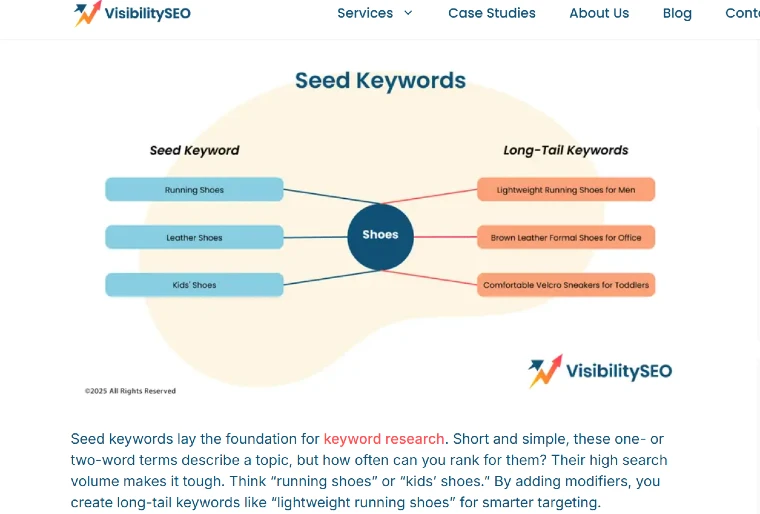
Video and image SEO is part of on-page optimization, but are you doing it right? File names, alt text, size, quality. All of it matters. And let’s be honest, visuals can make or break user experience.
6. Mobile SEO
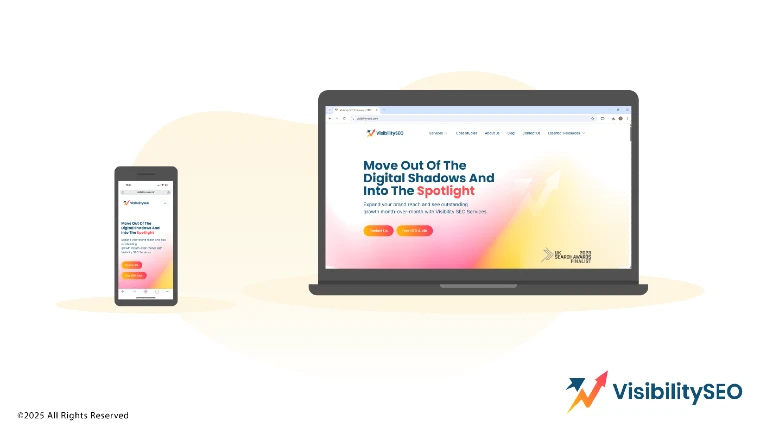
Ever tried to browse a site on your phone and it’s a mess? That’s where mobile SEO comes in—making websites work on phones and tablets. It’s not perfect but it’s key. With so many of us glued to our devices, isn’t it time websites caught up? Better experience, better rankings.
How to Figure Out What Kind of SEO Services You Need
Choosing the right SEO services depends on your business goals and audience. By understanding your specific needs you can select the SEO strategies that will get you better online visibility and growth.
Do a Content Audit
At Visibility SEO, we know keeping your content in top shape is key. A content audit helps you figure out what’s working and what needs fixing.
It’s simple: look at your pages, check what’s getting views and clicks, and see what your audience likes. Got old or outdated posts? Remove or update them with fresh info. Make sure everything is easy to read and has the right keywords for better SEO. This helps your site rank higher and gives visitors a better experience.
It’s all about keeping your content useful, clear, and up-to-date!
Run a Technical Audit
Ever wonder if your website has hidden flaws? A technical audit reveals what’s holding it back—slow load times, broken links, or poor mobile support. These small issues? They add up. Fixing them boosts user experience and search rankings. So why not check in regularly? A healthy, accessible site is worth the effort, don’t you think?
Audit Your Backlink Profile
Reviewing your backlink profile is essential for SEO success. Identify spammy or low-quality backlinks and remove them.
Focus on acquiring high quality links from reputable sources. This strengthens your website’s credibility and improves search rankings.
Regularly monitor your backlinks to ensure they’re positively impacting your site authority. A strong backlink profile attracts more visitors and boosts your online presence.
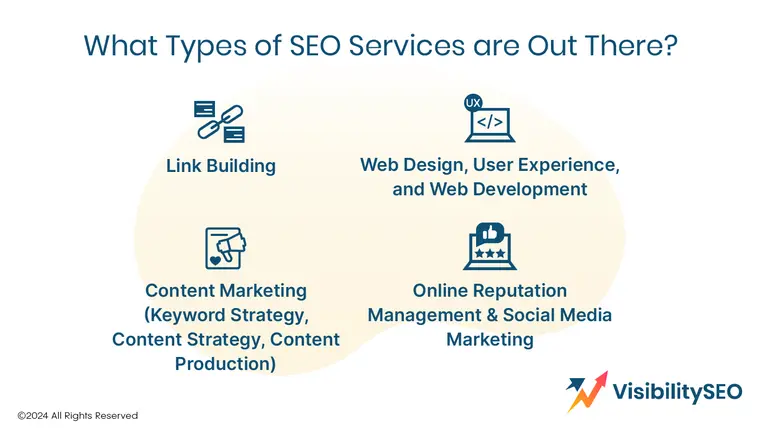
What Types of SEO Services Are There?
SEO services are tailored to your business needs and can be grouped into three main categories. Here’s what a comprehensive SEO program includes.
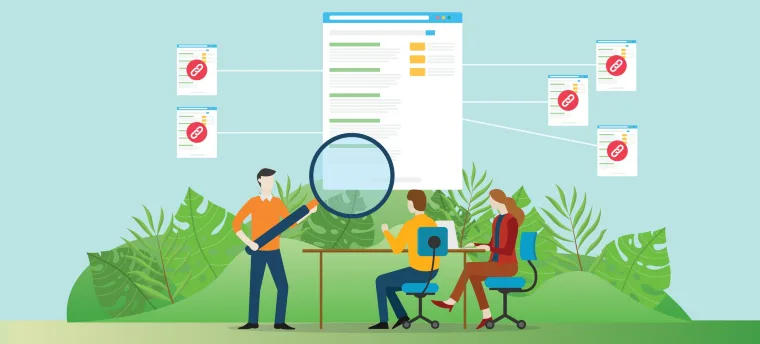
Link Building
At Visibility SEO, we know link-building helps businesses grow online. It’s all about getting other trusted websites to link to your content. These links tell Google your content is worth showing to people. We use simple strategies like guest posting and creating resource pages. It’s not about getting tons of links—it’s about getting a few great ones from websites that people trust.
Web Design, User Experience, Web Development
Good web design and development are key to building a great website. A good design attracts visitors and makes it easy to navigate. It gives users a smooth and enjoyable experience. Development, on the other hand, makes sure the site works well and does its job. Both are also important for helping your site show up on search engines. When people find your website helpful, they stay longer. This tells search engines your site is worth visiting. A strong website is the foundation of a strong online presence.

Content Marketing (Keyword Strategy, Content Strategy, Content Production)
Ever feel like your website’s missing something? Without strong, well-planned content, it’s tough to rank for the keywords you’re aiming for. Sure, SEO gets you part of the way, but great content? That’s what makes your site an authority. From finding gaps to creating and optimizing content, a solid strategy ties it all together.

Online Reputation Management & Social Media Marketing
Let’s be honest—before buying anything, don’t we all check reviews? Your online reputation matters. Reputation management SEO helps ensure people see the good stuff first—positive stories, not complaints. It’s about setting alerts, tackling negative keywords, and actually responding to bad reviews. And social media? It’s your megaphone. A solid strategy can spark conversations, boost traffic, and, yes, drive sales.
What Kind of SEO is Right for Your Business
Not all SEO is suitable for every business. The best SEO for your business depends on your goals, budget, and website’s strengths and weaknesses.
SEO for a New Business
If your business is just starting out, focus on On-Page and Technical SEO. Create high quality content, organize your website well and pick the right keywords. Don’t waste time on link building or ads yet. Building a strong foundation now will help your site grow in the future.
SEO for an Established Business
If your business is established, switch to Off-Page SEO. Work on link building and social media to get noticed more. At the same time, keep improving your website with On-Page SEO. Update your content and make sure your site is easy to use.
SEO for a Low-Ranking Website
If your website isn’t ranking well, start with Technical SEO and On-Page SEO. Use tools like Google Search Console to find and fix problems. Make sure your website is organized, and the content is helpful. This will make it easier for search engines to understand and rank your site.
FAQs
What is the best type of SEO?
The best type of SEO depends on what your website needs. If you’re starting a new site, focus on On-Page SEO to build a solid base. For older sites, Off-Page SEO can help boost visibility by getting more links to your site. If your site isn’t ranking well, try Technical SEO to fix issues that might be slowing it down. Figure out what your site needs first, then choose the right SEO strategy.
Can I do SEO by myself?
Yes, you can! But keep in mind, SEO takes work. You’ll need to research keywords, optimize your website, check rankings, and set up analytics. It’s a lot to manage. If it feels overwhelming, hiring an SEO expert or SEO agency can save you time and effort.
What type of marketing is SEO?
SEO is part of digital marketing. It’s all about making your website easier to find and more useful. This helps it rank higher in search results when people look for certain keywords.
How can I track my website’s SEO progress?
One way to know your SEO is working is by seeing more people visit your site from search engines. Use Google Search Console to check how many people see your site. Look at the “Search results” report to see the number of impressions your website gets over time.

- SEO Consultant vs SEO Agency – What is the Difference? - June 25, 2026
- FAQ Schema: A Simple SEO Trick for Better Visibility - December 20, 2025
- What Is YMYL and Why It Matters for SEO? - December 16, 2025