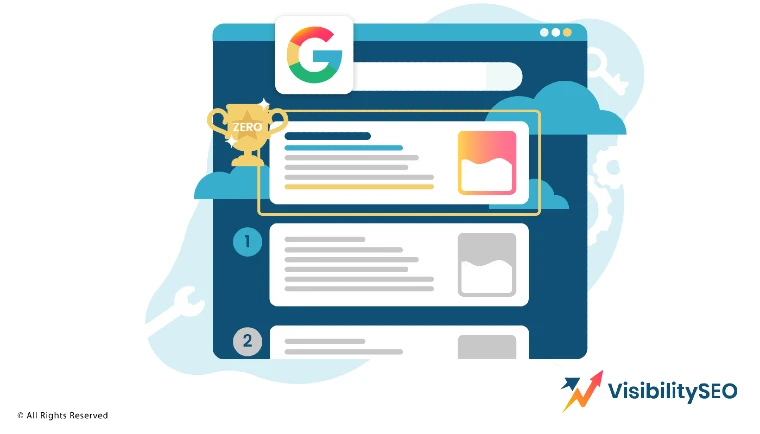
Featured snippets, also called “Position #0,” are a special spot on Google that stands out above regular search results. They give your website a chance to grab attention and bring in more visitors.
But what exactly are featured snippets? How can you change your content to get them? This post breaks it down with easy tips for SEO marketers, website owners, and content creators who want to improve their search rankings.
What Are Featured Snippets?
A featured snippet is a small box of text that shows up at the top of Google search results page. It gives a quick answer that matches the user’s search query. The featured snippet box also includes a link to the webpage where the answer came from.
Google displays featured snippets in different ways – sometimes they’re short paragraphs, lists, tables, or even videos. They make it easy to find answers fast but still help websites get visitors.

Why Are Featured Snippets Important for SEO?
Featured snippets let you highlight your content and make it easy for users to find.
Enhanced Visibility
Featured snippets show up at the very top of Google organic search results. This means your content is the first thing people notice. On mobile devices, they stand out even more because they take up a bigger part of the screen. Snippets push other results lower, giving your content more attention.
Increased Traffic to Your Site
Some people think snippets stop users from clicking on links, but that’s not always true. Studies show that many users still click the link in the snippet to get more details. Snippets can actually help boost how often people click on your page and increase organic traffic.
Stronger Authority
Getting the featured snippet position shows that Google trusts your content. This makes people more likely to trust your brand too. It also helps more people see your work in your area of expertise. Over time, being seen as a reliable source can make your online presence stronger.
Types of Featured Snippets
Google offers several types of featured snippets, and understanding these is vital for optimizing your content.
1. Paragraph Snippets
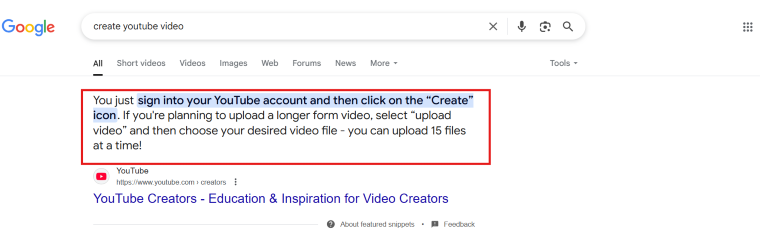
Google sometimes shows short answers at the top of search results, called featured snippets. These are two or three sentences that quickly answer a question, like “What is SEO?”. For example, the snippet might show a quick definition and key points pulled from a webpage. Snippets help people find answers fast and often make them want to click to learn more. If your content is clear and well-organized, your page has a better chance of being featured.
2. Table Snippets
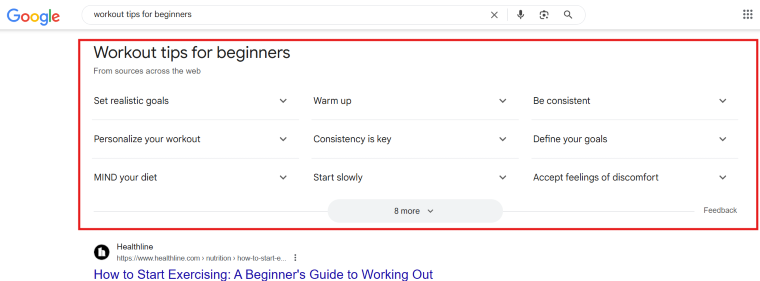
Table featured snippets show table data from your site right in Google search results. They make it easier for people to find information like comparisons, prices, or stats without clicking. Google uses them to save users time. If you organize your data the right way, your content is more likely to show up in these snippets.
3. Ordered Snippet List
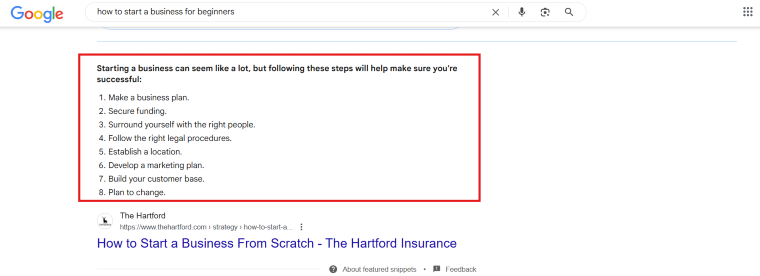
Numbered lists are perfect for explaining things step-by-step like “How to bake a cake”. They also make tasks easier to follow since they divide the tasks in clear steps. The use of headings in your writing makes your ideas organized and easier for the readers to understand. It can also make it more likely for your content to stand out online. Clear and organized writing keeps people interested and makes your message more effective.
4. Unordered Snippet List
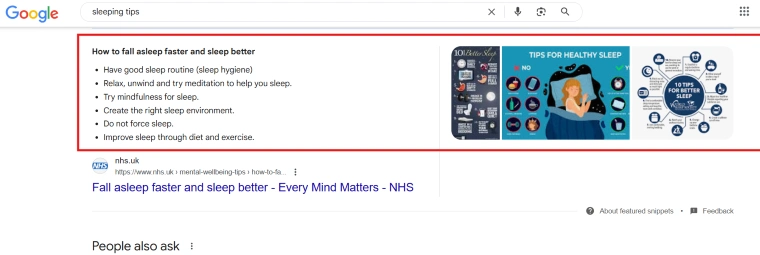
An unordered list uses bullet points to organize information. It’s great for things like “Top 5 Best SEO Tools.” This format helps readers find the main ideas quickly. It makes the content easier to follow and understand. Plus, it breaks up large chunks of text, making your content more visually appealing. Readers are more likely to engage with content that’s easy to skim.
5. Video Snippets
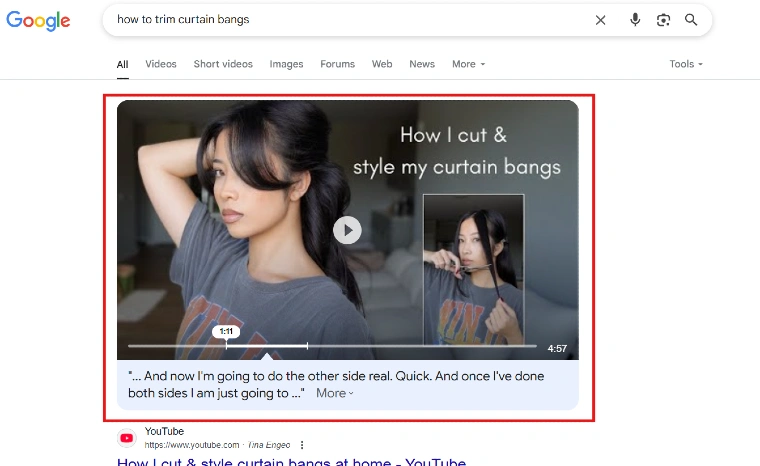
Video snippets highlight the most important parts of your content. They’re great for “how-to” or tutorial questions when people need quick answers. Clear titles and descriptions help viewers understand what the video is about and can also boost its ranking online. Adding short, interesting visuals and using the right keywords can grab attention and make your video easier to find.
How Common Are Google Featured Snippets?
Google Featured Snippets are showing up more often because search engines want to give users quick and trustworthy answers. Knowing how often they appear can help you decide how important they should be in your content plan.
- US: Featured snippets are showing up more and more in the US. Research says over 12% of search queries now include a snippet. This makes them super important for websites and marketers trying to grab attention.
- UK: In the UK, featured snippets are a big part of Google’s search results. They show up most often for long, question-based searches. This makes them a great goal for content creators aiming to reach British audiences.
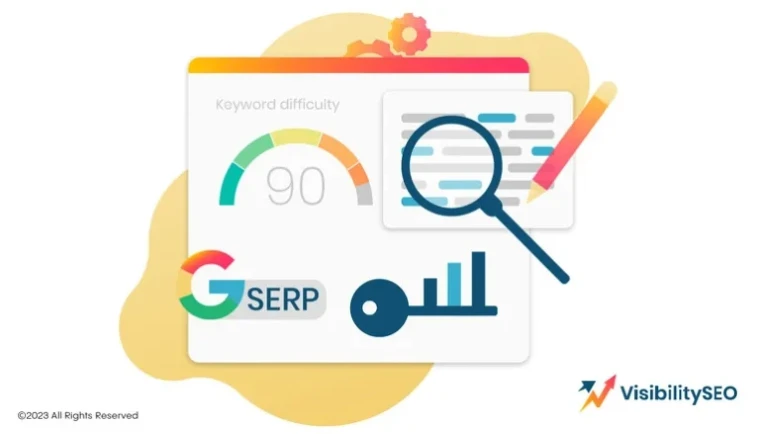
How to Optimize for Featured Snippets
Featured snippets may lead more people to find your website and increase the amount of visitors you get. Focus on providing precisely what people are looking for in a form that is easy to read and for anyone to follow. Here’s how to win featured snippets:
Identify SERPs With a Featured Snippet
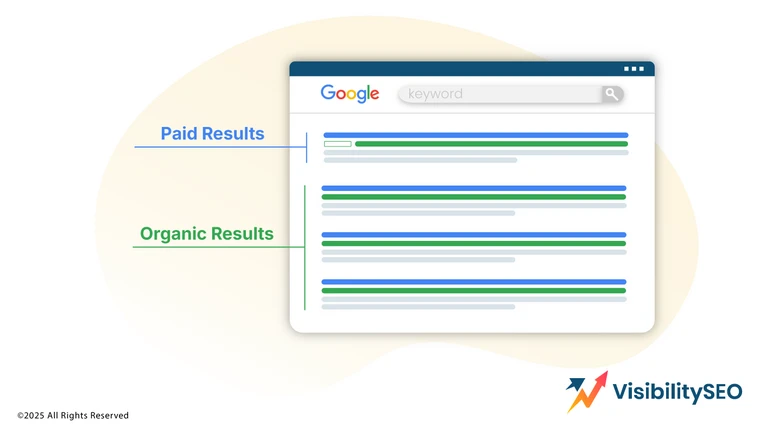
The first step is conducting research to discover which queries already display snippets. Tools like Semrush or Ahrefs allow you to filter keywords that trigger snippets, helping you pinpoint opportunities.
Optimize For That Specific Featured Snippet
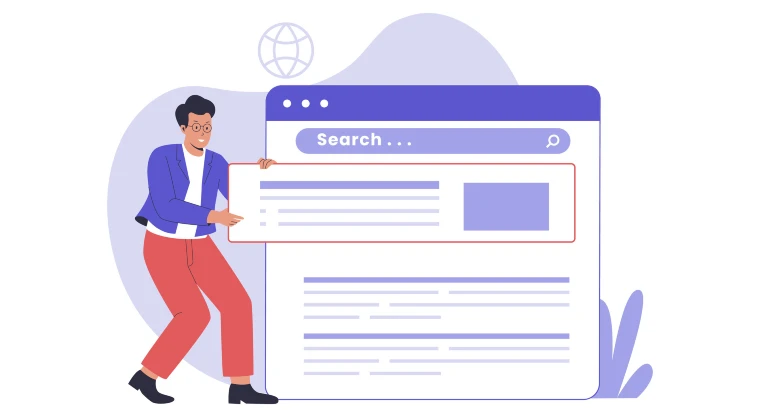
Once you identify a snippet, analyze its structure. If it’s a paragraph, craft a concise, two to three-sentence definition. If it’s a list, ensure your content provides clear, organized steps or items. Pay attention to the tone and formatting to ensure it aligns with the context. Always aim to make the information easy to understand and actionable for your audience.
Improve Your Google Rankings
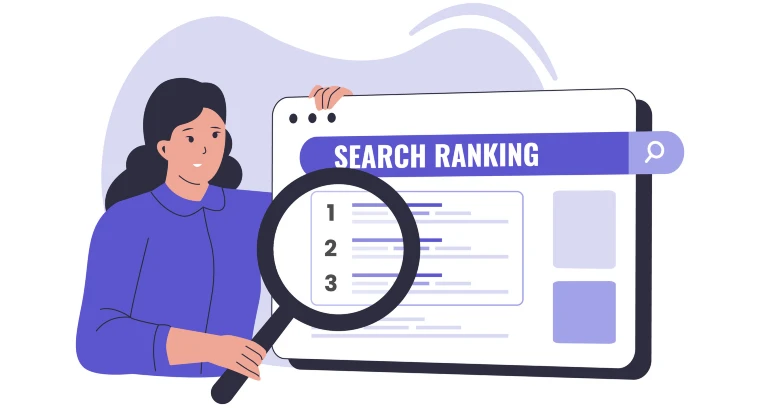
Getting on the first page of Google is important because most featured answers come from the top 10 results. To increase your chances, work on your website’s SEO. Use good content, choose the right keywords and make sure your site is smooth. Keep working on those and over time your rankings will improve.
Answer Questions Directly
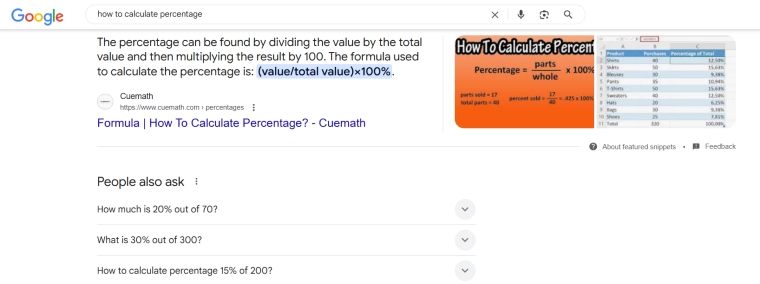
Use headings like “What is” or “How to” because that’s what people search for online. Keep answers short – 40–60 words – so they fit into Google’s featured snippets. Write clear and easy to understand answers. This will make your content more likely to show up in search results and bring more people to your site and engagement.
Target Long-Tail Keywords
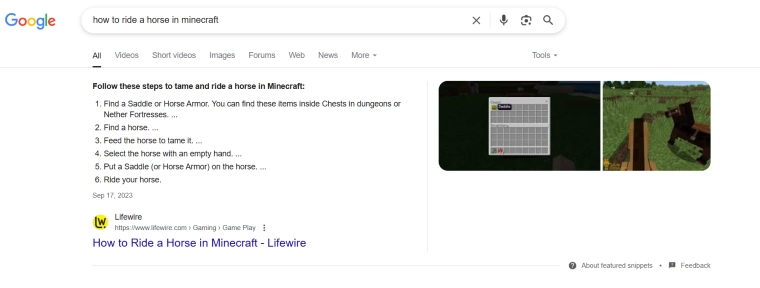
Long tail keywords show up in search snippets. Instead of using a broad term like “SEO tools” try something more specific like “free SEO tools for beginners”. Those are lower competition and easier to appear in snippets.
Structure Your Content Appropriately
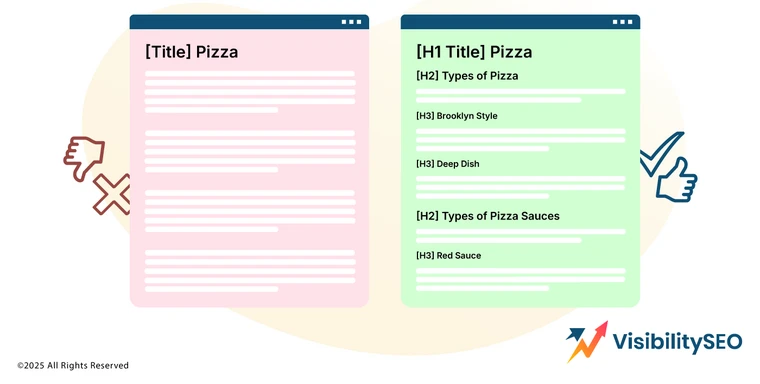
Use <h2> for main headings and <h3> for sub headings to structure your content. A well structured content is easy to read and better for the search engines. Google loves pages with good formatting like tables, bullet points or numbered lists. Those can increase the chances of your page to appear in rich snippets and make your page more visible and attract more visitors to your site.
Target People Also Ask Questions
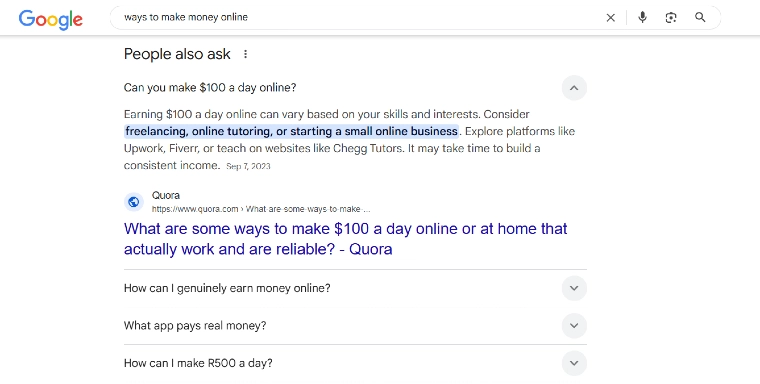
Google’s “People Also Ask” section is a powerful tool to get featured snippets. By answering related questions clearly and concisely in your content you can increase your chances of appearing in that prime search result spot. Structured data and well organized content will further boost your snippet potential.
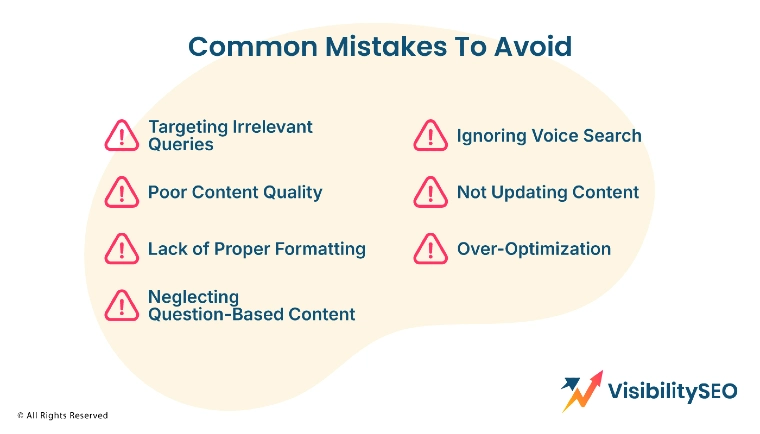
Common Mistakes to Avoid
If you want your content to show up in Google snippets, avoid common mistakes. These errors can hurt your chances of being featured. Fixing them makes it easier for your content to get noticed and stand out.
- Targeting Irrelevant Queries
Make sure what you share matches what your audience cares about and answers their questions. If you go off-topic or target things they don’t care about, people will lose interest. This can hurt your SEO and waste your time. Stay focused. Be helpful. That’s how you build trust and stay relevant.
- Poor Content Quality
Your content won’t rank if it’s not accurate or detailed enough. Search engines look for content that’s clear, trustworthy, and helpful. If you want people to find your work, focus on quality. Good content builds trust and leads to better results over time.
- Lack of Proper Formatting
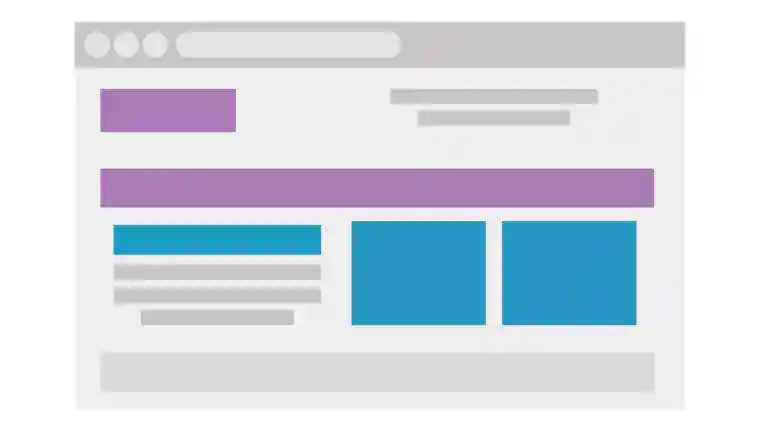
If your content isn’t organized well, it can be harder for Google to find and show it, especially in featured snippets. To fix this, use headings, lists, or tables to break things down clearly. This helps both readers and search engines understand your content better. Good structure makes your text easier to read and puts important details front and center.
- Neglecting Question-Based Content
Snippets are a big deal because they answer questions people search for. If your content doesn’t include clear answers to common questions, you might miss out on showing up in featured snippets. This means fewer people will see your content. Adding question-focused information helps your content stand out, get noticed, and actually help readers find what they’re looking for.
- Ignoring Voice Search
Make your content sound natural, like how people talk. Voice search uses snippets to answer questions, so make sure your answers are clear and easy to understand. Use short sentences and simple words to explain things. This makes it easier for your content to show up in voice search results.

- Not Updating Content
Competitors can take your featured snippet if your content gets old or less helpful. To stay on top, keep your content fresh with updated facts and helpful details. Make sure it clearly answers the questions people are searching for. The more useful and clear your content is, the better your chances of keeping your spot. Staying consistent helps you stay visible and trusted.
- Over-Optimization
Using too many keywords or fancy formatting can make your content hard to read and less useful. This can frustrate readers and hurt your search rankings. Instead, write in a way that’s clear and easy to understand. Make sure your content helps people and answers their questions. When your writing is natural and helpful, readers will trust you more, and search engines will rank your content higher.
Continuously Optimize Based on Snippet Insights
Google’s featured snippets change over time as algorithms update and people’s searches evolve. To stay on top, check how your snippets are doing and refresh your content to stay ahead of the competition. Look at your best-performing pages to see what’s working and what needs fixing.
Tools like Google Search Console can help you spot changes and find new chances to improve. If you keep updating and improving, your content will stay relevant and rank higher in searches. The key is to stay active and keep adjusting to changes.
FAQs
How do I find featured snippet opportunities?
To find featured snippet opportunities, you can use tools like SEMrush, Ahrefs, or Moz. These tools help you see which keywords already have snippets and show you the ones your competitors are ranking for. Focus on keywords where your website is already in the top 10 results. These are the easiest to turn into snippets with the right tweaks.
You can also search Google manually for your keywords. Look for results with featured snippets and note their format – list, paragraph, or table. Adjust your content to match that format. Pay attention to questions, comparisons, or “how-to” phrases. These keywords often show up as featured snippets and can be a good place to start.
Why featured snippets may be removed?
Featured snippets can disappear for many reasons. Google changes its algorithms often to improve search results. If your content is old, wrong, or hard to understand, you could lose your snippet. Sometimes, search intent changes.
For example, if people start searching to buy something instead of looking for information, Google might stop showing snippets for that topic. Other reasons include copying other content, sounding too much like an ad, or not answering the question clearly. To keep your snippet, update your content regularly and make sure it gives users the information they’re looking for.
How to report a featured snippet?
If you see a featured snippet on Google with wrong or harmful information, you can report it. Just click the small “Feedback” link right below the snippet box. A feedback form will pop up. Here, you can explain the problem – maybe the snippet has outdated info, false facts, or something inappropriate.
Be clear and specific about why the snippet is wrong or how it could cause harm. After you submit your feedback, Google reviews it. If they agree, they’ll fix or remove the snippet. By reporting these mistakes, you help make search results more accurate and useful for everyone.
Which search queries don’t trigger featured snippets?
Not all searches lead to featured snippets. Snippets only show up for certain types of searches. Short or vague keywords like “shoes” or “laptops” usually won’t generate featured snippets because they don’t ask for a clear answer.
Questions, comparisons, or longer phrases are more likely to show snippets. For example, searches like “how to tie a tie,” “best laptops under $1,000,” or “benefits of meditation” often have straightforward, relevant answers that fit a snippet.
Some topics, like medical advice or legal questions, may be left out of snippets to avoid spreading wrong information. To increase your chances of getting your content into a snippet, focus on answering specific questions clearly and directly.

- SEO Consultant vs SEO Agency – What is the Difference? - June 25, 2026
- FAQ Schema: A Simple SEO Trick for Better Visibility - December 20, 2025
- What Is YMYL and Why It Matters for SEO? - December 16, 2025