When you want your brand to get noticed online, SEO and digital PR need to work together. Alone, each one is strong. Together, they can do wonders. Search engine optimization helps your website show up in search engines. Digital PR gets real people talking about your brand. At Visibility SEO, we’ve seen brands go from unknown to spotlight just by joining these two forces.
Digital PR and SEO work hand in hand to increase brand awareness and online visibility, ensuring your brand stands out across digital channels and reaches a wider audience.
Mixing digital PR with SEO does more than just help you rank higher. It makes more people trust your business and talk about what you do. It also gets your story in front of new faces. Digital PR activities like media relations play a key role in managing and enhancing your brand’s online presence, helping you engage audiences and build a strong reputation across multiple platforms. Now, let’s get into what digital PR really means and why it works so well with SEO.
What Is Digital PR?
To understand digital PR, it’s important to know that Digital PR stands for Digital Public Relations. It is a way of getting your business mentioned on the internet. This can be through blogs, news sites, or even podcasts. Digital PR is a form of online public relations that enhances your brand’s visibility and reputation through media coverage, backlinks, and positive digital mentions.
Digital PR helps people learn about what you do and why you matter. Digital PR strategies focus on building brand reputation by managing media relations and increasing the number of brand mentions across trusted platforms. If someone reads about you online and trusts the source, they will trust you. That’s the real power of digital PR efforts. Unlike traditional mentions, digital PR content remains accessible online for a long time, continuing to benefit your brand’s visibility and authority.
Digital PR vs Link Building
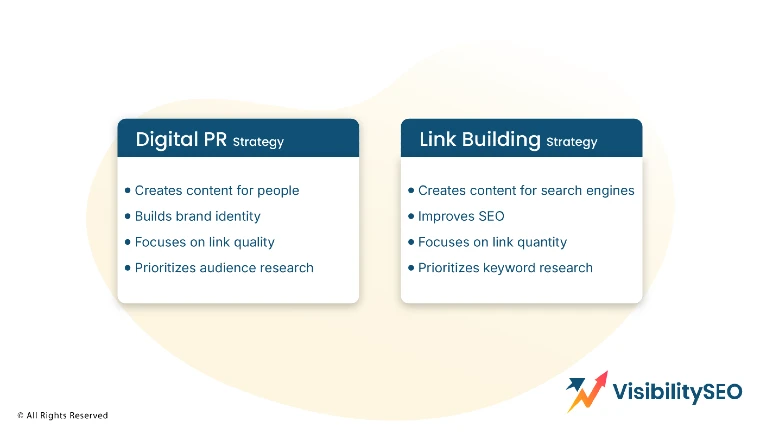
Link building is about getting other websites to link back to yours. Digital PR goes much further. It gets your name and message out there in stories and news. Link building sometimes just means placing your link wherever you can, but digital PR offers more value.
Link building is usually about numbers. Digital PR focuses on building your reputation. When you get coverage from a good publication, it often leads to more brand trust and better website performance.
Digital PR vs Traditional PR
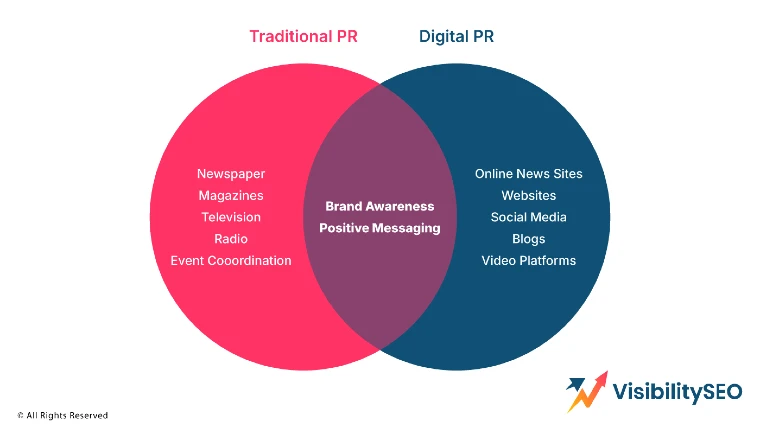
Traditional PR mostly means getting your story in newspapers, magazines, or on TV and radio. Digital PR is about getting buzz online, in the places where your audience hangs out today. With digital PR, you can reach more people than with old-fashioned methods.
Digital PR works faster and can track results more clearly than traditional PR. You can easily see how many people clicked your story or shared it on social media. Traditional PR is helpful, but digital PR is where the real action happens now.
Types of Digital PR
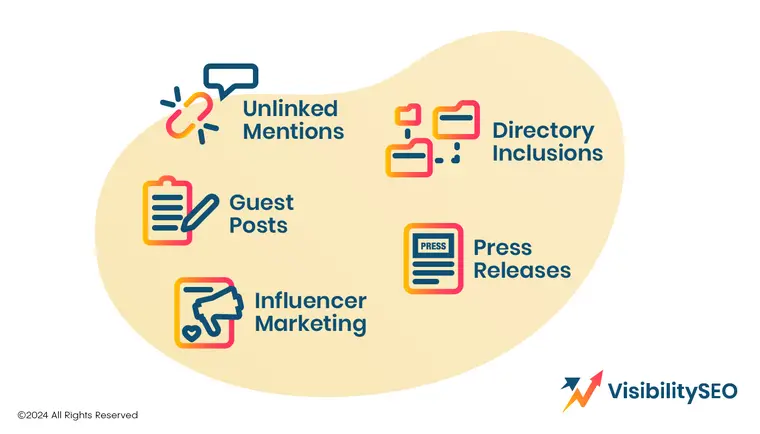
There are many ways to do digital PR. Each method helps your brand in a slightly different way. Digital PR tactics and strategies are developed and executed by digital PR teams and PR professionals, who focus on creating effective campaigns to boost brand visibility and engagement. Some work better for certain industries, and some are great for all types of businesses.
From getting your name into directory lists, to guest blogging, to using influencer shoutouts, digital PR can fit many needs. These tactics are distributed across various online platforms, such as websites, blogs, and social media, to maximize reach and impact.
Unlinked Mentions
Sometimes, someone talks about your business online but doesn’t add a link to your site. This is called an unlinked mention. At first look, it might seem useless, but it isn’t. It still builds awareness. Media monitoring tools can help you track unlinked brand mentions across the web, making it easier to identify opportunities for engagement.
If you spot unlinked mentions, you can politely reach out and ask for a link to your site. This way, you get credit both for your name and a boost in SEO.
Guest Posts
Guest posting means writing a helpful blog for another website and sharing your expertise. You get your name in front of a new audience while also building your authority. It’s a win-win. Sites usually allow you to add your link.
But to really get value, make sure your guest post provides useful advice—not just a sales pitch. Good guest posts get shared a lot and keep bringing in traffic over time.
Directory Inclusions
Putting your business in the right online directories is simple but effective. These directories list businesses by category, service, or location. Many people use them to find what they need quickly.
Don’t overlook this kind of PR. A good mention in a respected directory brings steady website visits and can even boost your search ranking. Always make sure your info is up-to-date.
Press Releases
A press release is an announcement you share with journalists and online sites. Maybe you launched a new product or won an award. Send out a press release to spread the word. Press releases are often used to create newsworthy content that can be turned into news stories, helping your brand gain attention in digital PR and content marketing.
Digital press releases go further than paper ones. They can be shared wider and faster. Good press releases can get picked up by news websites, which gives your brand a strong boost. Targeting relevant media outlets is crucial for maximizing the impact and reach of your news stories.
Influencer Marketing
Influencers are people on social media who can reach your audience in ways you can’t. By working with influencers, your products can appear right in the feeds where your customers spend their time.
A well-matched influencer can bring your story to life. Their followers trust them, so when they talk about you, people listen. That’s why influencer outreach is a core part of a digital PR strategy.
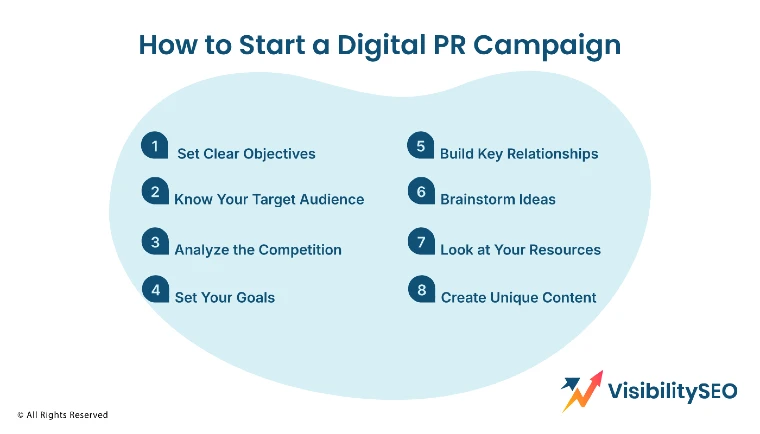
How to Start a Digital PR Campaign?
Starting a digital PR campaign can feel like a big task. But break it into steps, and it becomes much easier. The key is planning and making sure each move has a clear purpose. Effective digital PR strategies should always align with your overall business strategy to ensure cohesive and impactful results.
Every campaign should be unique to your brand. What works for one company might not work for you. A good campaign reflects your brand, message, and goals.
1. Set Clear Objectives
First, ask yourself what you want to achieve. Do you want more traffic? Better rankings? More mentions? Be clear and specific. Include key performance indicators such as increase brand awareness in your objectives to measure the success of your campaign.
Having firm objectives lets you know when you succeed. It also helps you pick the best tactics for your digital PR plan.
2. Know Your Target Audience

You need to know who you want to reach. Identifying and understanding your target audiences is crucial for effective digital PR, as it allows you to tailor your strategies to engage the right people. Think about their age, interests, and where they spend their time online. The better you understand your audience, the more personal you can make your message.
For example, if your target is young people who love tech, you’ll focus on tech blogs and YouTube reviewers. At Visibility SEO, we help clients research their audience to get the best results.
3. Analyse the Competition
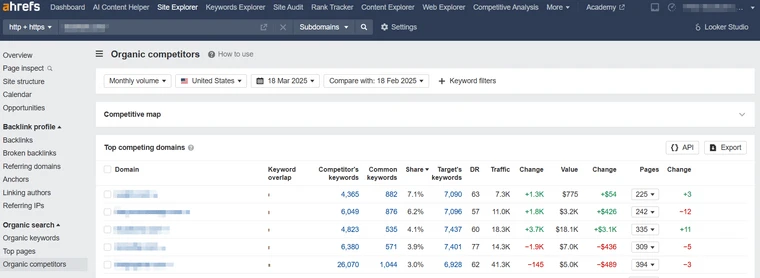
Take a close look at what your rivals are doing. Are they getting talked about in big publications? What kinds of stories get them noticed? Understanding the competition helps you spot opportunities you might miss on your own.
Don’t simply copy others. Use what you learn to do things even better. Sometimes, just being a little bit different is enough to stand out.
4. Set Your Goals
Now get specific. How many mentions do you want? Are there certain websites where you want your stories to appear? Pick clear, numbers-based goals.
With clear goals, it’s easier to adjust your plan as you go. You can see what’s working and what’s not, then tweak your campaign for best results.
5. Build Key Relationships

Start by aiming to build relationships with bloggers, journalists, and influencers in your space. This takes time. But the stronger your relationships, the better your chances for coverage.
Send thoughtful, friendly messages. Don’t just ask for a favor. Instead, show how your story will interest their readers. Over time, you build a network that helps your PR grow.
6. Brainstorm Ideas
Gather your team and dream up story angles, stunts, or helpful content your audience will love. Brainstorming is the foundation for creating content that resonates with your audience, ensuring your ideas are relevant and engaging. Think about your brand’s strengths. What makes you different?
It’s okay if not every idea is perfect. The goal is to get lots of ideas out, then choose the best ones. Sometimes, asking “What problems are out there?” can spark a great campaign idea.
7. Create Unique Content
Create content that stands out from the crowd. Maybe it’s a striking video, a smart infographic, or a deep-dive article. Make it useful, shareable, and connected to your brand. For digital PR success, focus on producing relevant content that addresses your audience’s needs, as well as quality content and high quality content that builds credibility, attracts backlinks, and improves your search engine rankings.
People share things that teach them something new or solve a problem. Always aim for real value. Unique content gets clicks and mentions.
8. Look at Your Resources
Check what you have before launching a campaign. How much time, budget, and staff do you really have? Be honest with yourself and your team.
Don’t promise more than you can deliver. It’s better to do a simple but well-done campaign than try everything at once and lose focus.
What are the Benefits of Digital PR?
Digital PR has a big impact on your brand. It reaches people, gets conversations started, and shapes how others see you. Digital PR increases brand visibility and brand awareness in the digital space and online world, helping your brand stand out among competitors. These benefits go beyond just numbers.
When you use digital PR, your brand becomes more trusted and well-known. It also strengthens your digital presence and enhances your brand’s visibility through audience engagement, making your brand more recognizable and influential online. You start to see more visitors, more links, and better results on Google.
- Increase website traffic
Having your brand mentioned on popular sites brings more people to your website. These are people who may have never found you otherwise. Instead of hoping someone searches for your brand, you bring the news to them.
Traffic from digital PR can be ongoing, not just a quick bump. One strong story can keep drawing in new visitors over time.

-
- Improve SEO and search ranking
Digital PR helps you earn links from other sites, which is one of Google’s biggest ranking factors. The more quality links you have, the stronger your search rankings get. Digital PR activities can boost organic rankings and improve your search engine rankings and domain authority, making your website more credible and visible online.
Also, digital PR pushes your name to more search results. This increased presence in search engine results further enhances your search engine ranking and online visibility. Even if someone doesn’t click, it helps them remember your brand next time.
- Establish authority
When well-known websites talk about your brand, you look more trustworthy. It’s like being recommended by a friend everyone knows.
Authority means people (and Google) see your brand as a real expert. Over time, this lifts all your digital marketing results.
- Generate earned links
Unlike paid ads, earned links cost nothing but effort. Journalists and bloggers give you a mention because they believe your story is interesting.
These natural, or “earned,” links are the most powerful. Google likes them best, and they can last a long time.
- Generate leads and sales
If your story speaks to the right people, they may visit your site and buy something or sign up for more info. Digital PR isn’t just for big brands, either. Local and small businesses can win more leads through thoughtful PR.
This is why at Visibility SEO, we make sure every campaign aims to bring in new leads, not just mentions.
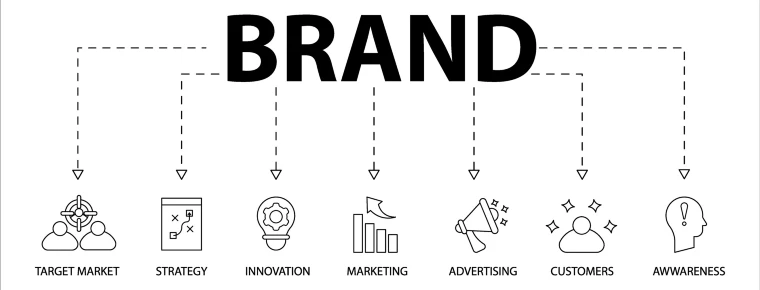
- Improve brand image and trust
The more people see your brand in trusted places, the more they believe in it. Good digital PR tells your story in a way that builds a strong, positive reputation. Positive media coverage not only enhances your brand’s reputation but also helps protect it by establishing credibility and trust with your audience.
- Track success
Digital PR can be measured in many ways. You can see who clicked, who shared, and where your story was published. Tracking brand mentions is also a key metric for digital PR success, as it helps measure your online reputation and impact on search engine performance. Unlike old PR, you don’t have to guess if your campaign worked.
Tracking success helps you learn and improve each time. You always know where you stand.
- Be cost-effective
Digital PR often costs less than traditional ads or print PR. Many tactics only need creativity, time, and smart outreach. You pay with effort, not just dollars.
It’s a great approach for growing brands on a budget. We help brands make every PR dollar count.
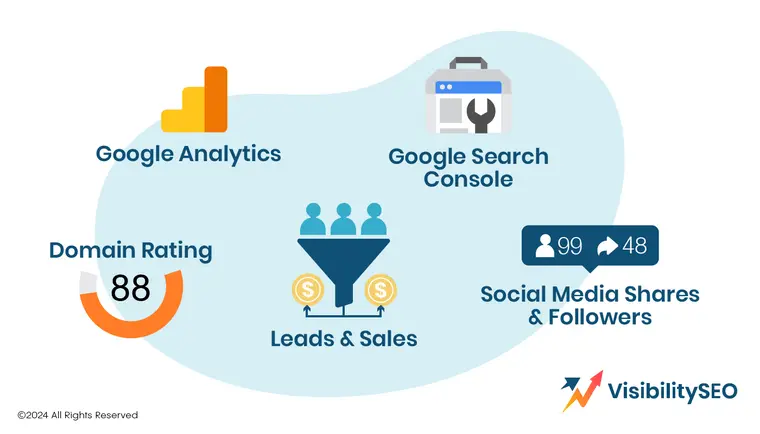
How to Measure the Success of a Digital PR Campaign?
It’s important to measure your digital PR so you know what’s working. Without data, you can’t make better choices for next time.
Use the tools below to track your progress and spot new ways to improve. Each tool gives you a piece of the full picture. Media monitoring tools are essential for tracking press coverage and campaign reach, helping you monitor media coverage, social media activity, and industry trends in real time.
Google Analytics
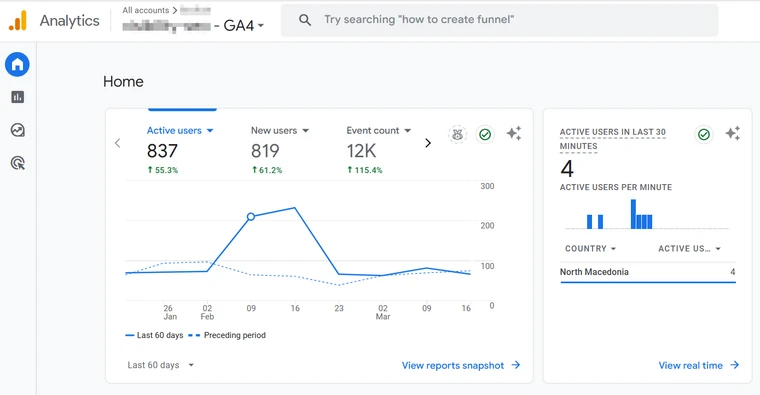
Google Analytics tells you how many people visit your site. Look for bumps in traffic from the places where your PR stories appeared.
It can also show what those visitors do next. Are they just looking, or are they sticking around to buy something? These numbers are helpful.
Google Search Console
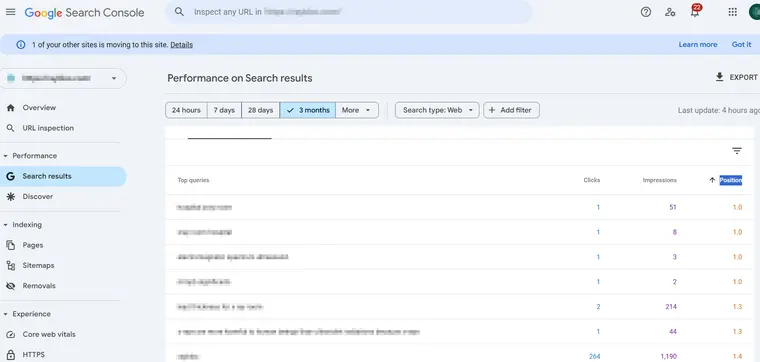
Search Console helps you see what keywords are working and how your site shows up in search. If your campaign earns a new link, you’ll often see your rankings jump.
It’s free and easy to use, so every digital PR campaign should use it.
Domain Rating
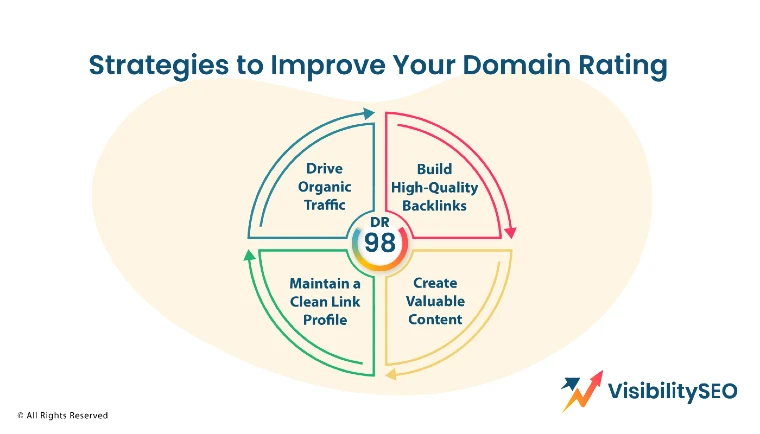
Domain rating tells you how strong your website is in the eyes of search engines. It’s a score that goes up when you get quality links.
Over time, you want this score to grow. This means your site is trusted more and is more likely to rank higher.
Social Media Shares & Followers
Track how often your content is being shared and how many people start following you thanks to your campaign. More shares mean your story is spreading.
If people are talking about your brand online, that’s a good sign. You want lasting buzz, not just a one-time visit.
Leads & Sales
A great campaign brings in more people who want to buy or reach out. Check how many leads or sales you get after your campaign goes live.
This helps you spot which messages or channels work best for your audience.
Links
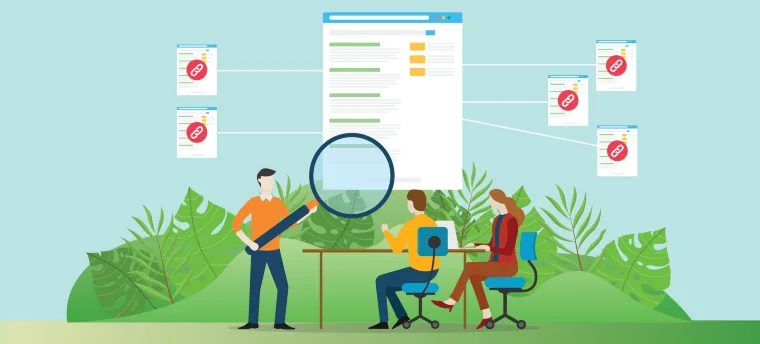
Count up the links your campaign earned. Not all links have equal value, but the more high-quality links you earn, the better your site will do.
Look for links from websites your audience already trusts.
Clicks
It sounds simple, but keep an eye on how many people actually click your links from PR stories. Clicks show real interest.
More clicks mean your story and headline did their job. Make your call-to-action clear for more clicks.
ROI
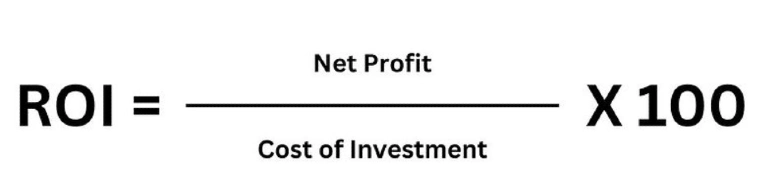
ROI stands for Return on Investment. Are you getting more than you put in? A smart campaign brings in new leads, sales, or followers for less time and money than old-school ad campaigns.
Track the cost in time and money, and see what you get back. Aim for steady growth each month.
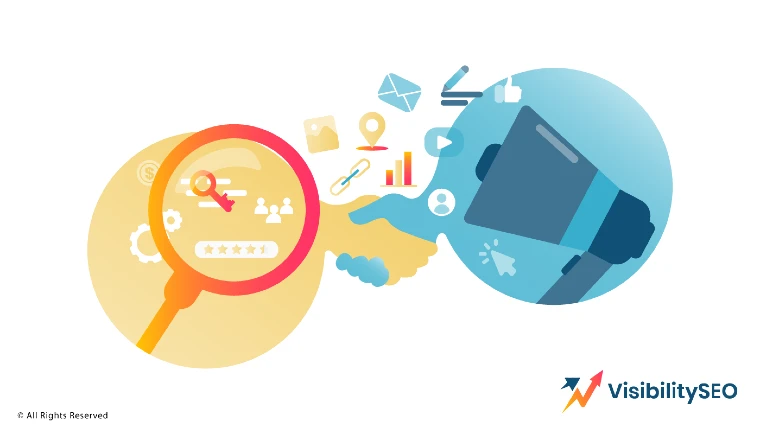
How Does Digital PR Fit in With Other Digital Marketing Services?
Digital PR doesn’t work alone. It supports and is supported by other digital marketing tools. Digital PR enhances and is enhanced by other digital marketing efforts across various online channels and digital channels, such as social media, digital publications, and search engines. Here are the main partners.
- SEO
SEO and digital PR help each other. PR brings in links and mentions, while SEO makes sure your website is set up to take full advantage of new traffic. Working together, you grow faster and with less waste.
- Content Marketing
Content marketing is about making valuable content for your audience. Good PR gives you new ideas for articles, videos, or guides. PR can also pull new readers to your best content, keeping your efforts alive and useful.
- Social Media Marketing
PR gets people talking. Social media spreads the word even further. Leveraging social media platforms and well-executed social media campaigns amplifies digital PR results by boosting brand visibility, enhancing reputation management, and increasing audience engagement across multiple online channels. By using hashtags, trends, or friendly influencers, PR wins get seen by more people. Social media also lets you join the conversation and answer questions in real time.
- Influencer Outreach
Influencer outreach means working with well-known voices to promote your brand. When influencers talk about you as part of a PR campaign, their fans notice. This adds a friendly, personal touch to your marketing.
The Future of Digital PR
Digital PR is always changing. New social platforms, smart tools, and fresh ways to tell stories mean we all have to keep up. A successful digital PR campaign often integrates paid media and draws inspiration from digital PR examples to maximize reach and impact.
Do you sometimes wonder what’s next?
We think digital PR will get even more focused on personal connection. Brands have more ways than before to measure and fine-tune their campaigns. The best news? It will only become more important as people spend more of their time online.
FAQs
How can marketing and digital PR work together?
Marketing and digital PR work best as a team. Marketing draws people in with creative messages and useful content. Digital PR gives your brand a reputation boost, making sure people see you in the right places. The two methods can back each other up. For example, digital PR spreads attention to your marketing campaigns by getting more eyes on your site. Marketing then keeps those visitors engaged with great deals and helpful info. If you use both together, you keep people interested and loyal.
What are the top tips for using social media for PR?
Be clear about your message. Use hashtags to connect with bigger topics. Respond to your followers and show your human side. Share a mix of content, such as product updates, behind-the-scenes peeks, and helpful tips. Keep an eye on current trends so your posts stay fresh and relevant. Social media moves fast, so reply quickly and keep the energy up. Learn from which posts get shared the most and adjust your strategy. Also, always have a plan for how to deal with negative comments or mistakes.
Why is it essential for digital PR to be part of your SEO strategy?
Having digital PR in your SEO plan is vital. It brings high-quality links that help your site rank better. It also gets your brand talked about in trusted places, which makes search engines and real people more likely to trust you. Digital PR can drive more visitors and boost your authority faster than SEO alone. With both working together, you get a stronger, more visible brand.

- SEO Consultant vs SEO Agency – What is the Difference? - June 25, 2026
- FAQ Schema: A Simple SEO Trick for Better Visibility - December 20, 2025
- What Is YMYL and Why It Matters for SEO? - December 16, 2025