A Local SEO Checklist for 2026 is no longer a tidy admin exercise. It is proof work. Local search asks whether a company is real, close, active, trusted, and useful when people need help nearby. A search engine reads websites, profiles, reviews, links, behaviour, and consistency together. That is why small businesses need structure, not guesswork.
The goal is simple enough. Be found in Google Search, appear in the local pack, earn clicks from search results, and turn potential customers into enquiries. This ultimate local SEO checklist gives every local business a practical route, from set-up to measurement and improvement.
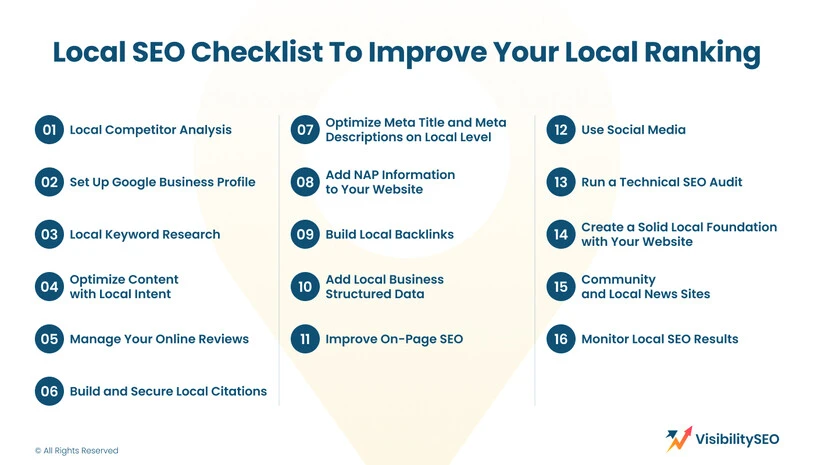
Local SEO Checklist 2026 To Improve Your Local Ranking
A complete local SEO plan works best when every local business handles visibility, trust, content, listings, and measurement together, not as separate jobs that sit in different marketing folders internally.
1. Local Competitor Analysis

Start by looking sideways. Check who appears above you, who earns stronger reviews, and who owns local pack results for valuable searches. Use SEO tools to compare pages, citations, links, categories, and content depth. Then look at gaps. Some competitors win through proximity. Others win through trust or better pages. Your aim is not copying them. It is spotting what the local audience already rewards and improving it with purpose.
2. Set Up Google Business Profile
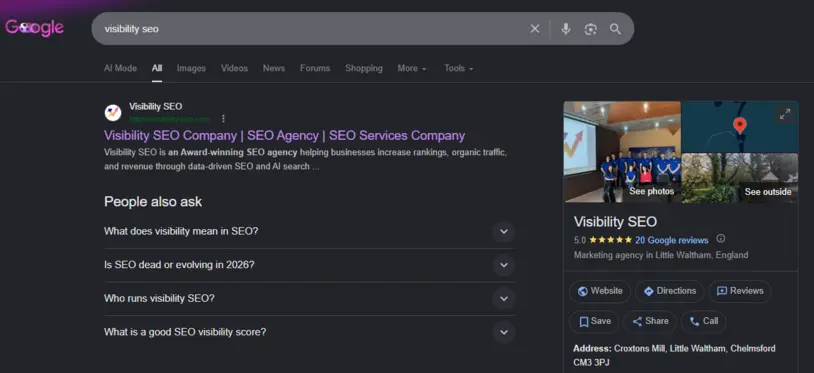
Set up your Google business presence with care. Claim the profile, verify it, and complete every useful field. Strong Google Business Profile optimization includes categories, services, opening hours, photos, products, accessibility details, and FAQs. The old Google My Business name still appears in conversation, but the platform has moved on. Keep your business information clean so Google Maps can show details before buyers decide to contact you with confidence locally.
3. Local Keyword Research
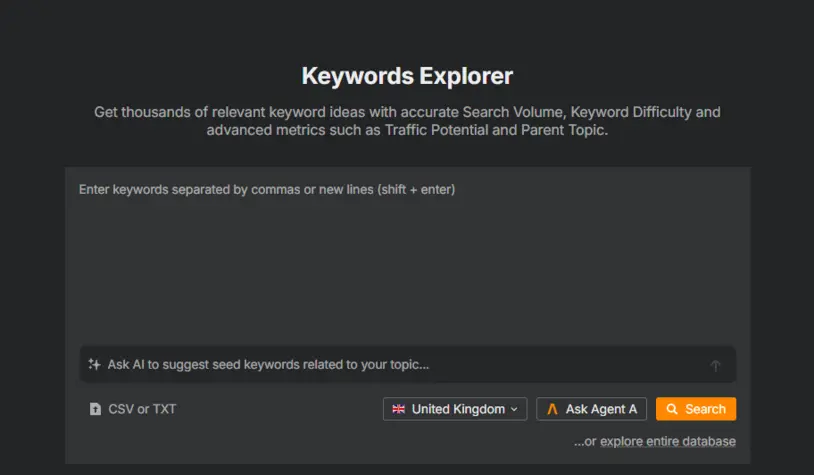
Local keyword research should show how nearby people actually speak. Look beyond broad phrases. Compare search volume, intent, and wording across neighbourhoods, services, and questions. A local service page may need different phrasing from a product page or a location page. Include local terms where they help the reader. Cut the rest. Keywords matter, but only when they are relevant to your business and match how buyers make decisions online.
4. Optimize Content with Local Intent
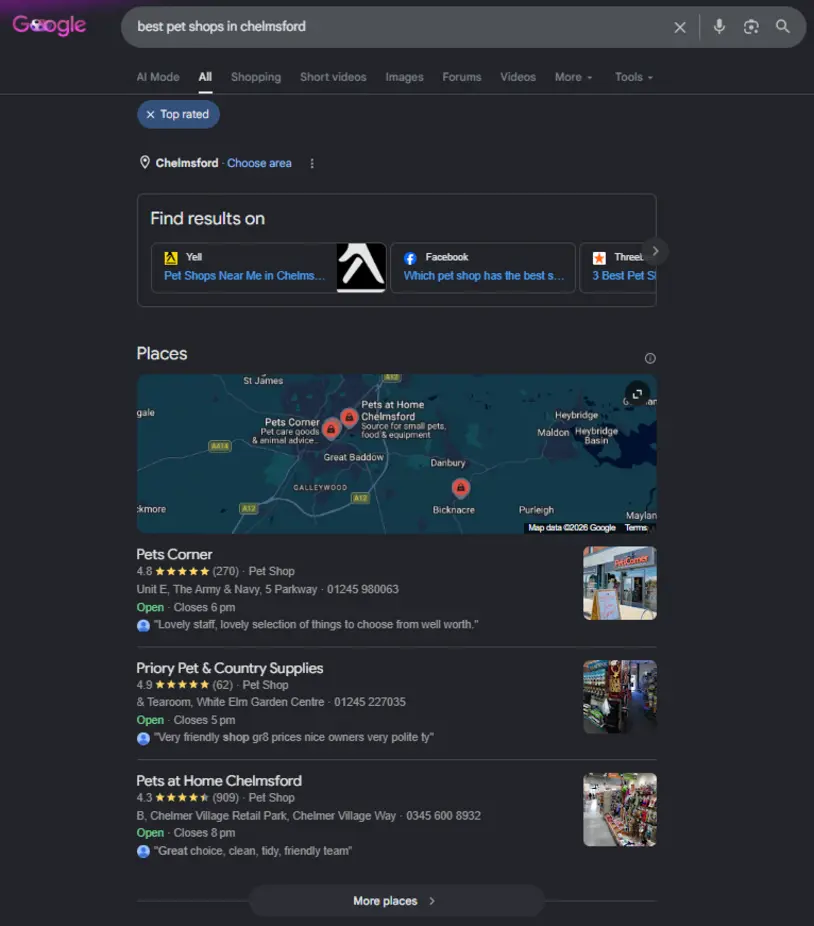
Local search engine optimization depends on pages that answer the questions people ask before they choose. Build local content around services, areas, pricing concerns, access, parking, delivery, and common objections. One strong service page can do more than several thin pages. Good landing pages should also feel useful, not mechanical. Write for clarity first. Then improve structure, headings, internal links, and user experience around the decision a buyer makes confidently.
- Create local guides: Create practical guides around local communities, seasonal needs, parking, events, and nearby problems people search when they find local providers.
- Highlight local partnerships: Mention suppliers, charities, venues, and partnerships that strengthen local authority, especially when the relationship is genuine and useful for readers.
5. Manage Your Online Reviews
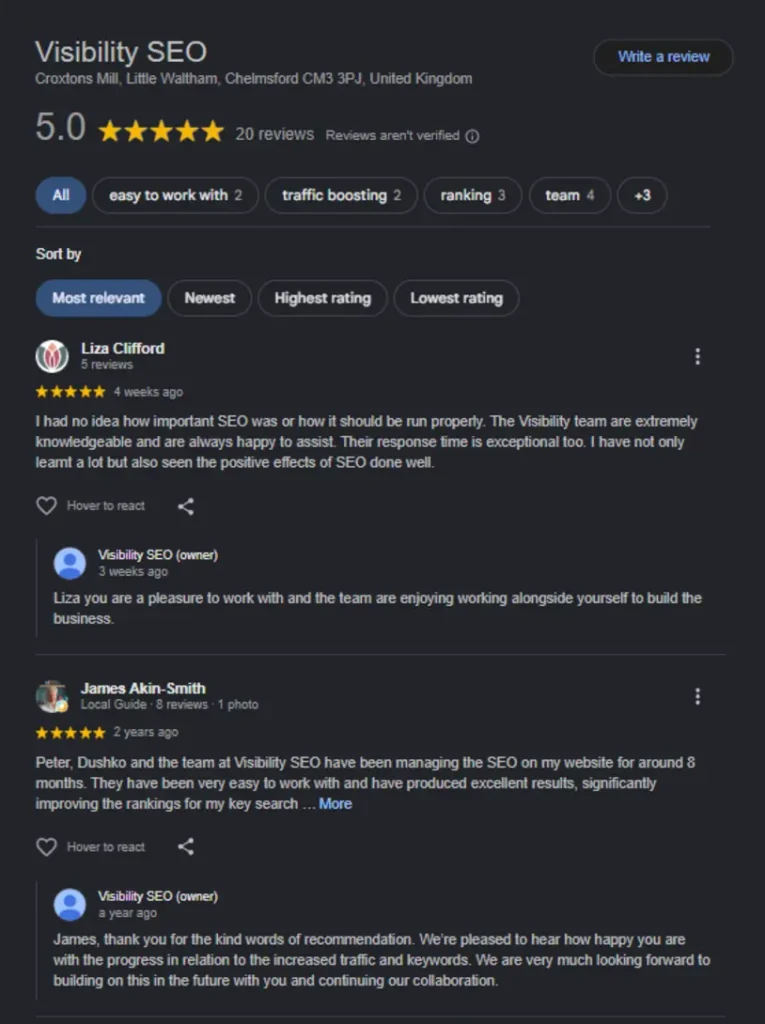
Reviews shape trust quickly. They also act as a ranking factor when quality, quantity, recency, and responses show steady activity. Ask local customers at the right moment, make the process simple, and reply with care. Negative reviews need calm handling, not silence. Small businesses often win here because they sound human. That matters. People want proof that someone is listening before they enquire or walk through the front door later.
6. Build and Secure Local Citations

Build citations where real customers and data providers expect to see you. Local directories, industry sites, maps, social profiles, and tools such as MOZ local can all support consistency. Keep your core contact data identical across the web. Remove duplicates. Fix old details. Secure important listings before competitors do. Citations are dull work, yes, but dull work often protects local visibility when nearby customers are ready to act online now.
7. Optimize Meta Title and Meta Descriptions on Local Level
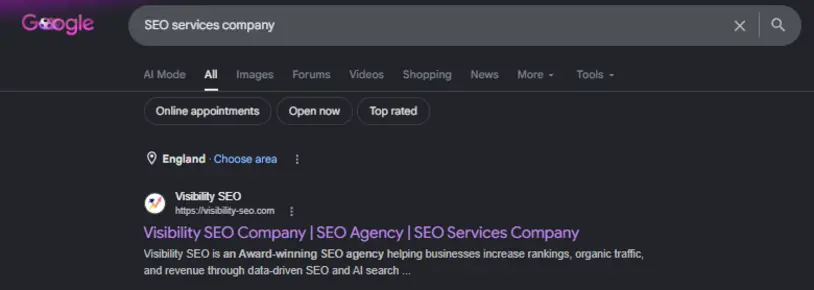
Meta titles and descriptions should tell people where you work, what you offer, and why the page is worth opening. Keep the main phrase natural. Add location signals without stuffing. In Google search results, a clear title can improve clicks even before rankings move. Treat each page separately. A better search ranking starts with relevance, but the click still depends on useful wording that feels specific to each query shown.
8. Add NAP Information to Your Website
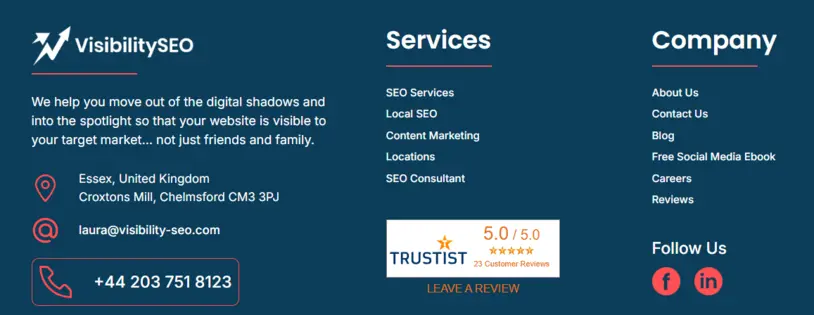
Add NAP information where people expect it. Your footer, contact page, location pages, and profile links should show the same details. For one site, that may be simple. For multiple branches, it needs discipline. Show the correct address and phone number, opening hours, directions, and map embed. Do not make users hunt. Confidence drops when basic information feels hidden, outdated, or inconsistent at the moment they need clear next steps.
9. Build Local Backlinks
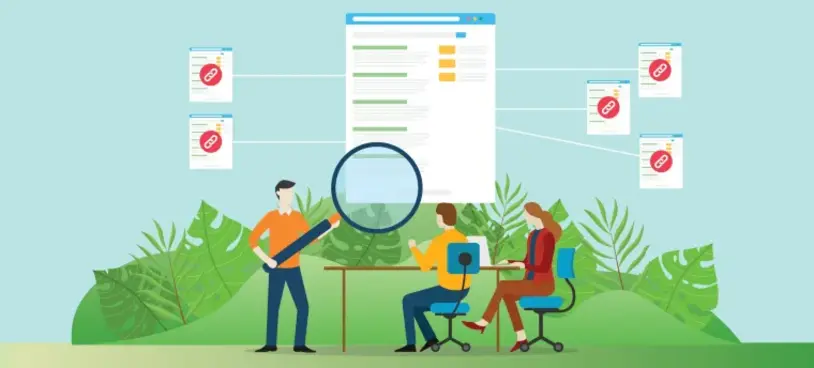
Build local backlinks through real relationships, not empty outreach. Local websites, suppliers, chambers, charities, events, clubs, and schools can all create useful signals. Link building works best when the story is credible. Support local link building with community involvement, helpful resources, and PR that deserves attention. When a relevant partner can link back to your website, make the request clear and respectful because forced links rarely build lasting local trust.
- Perform a Backlink Audit and Look at Competitor Gaps: Audit links, compare competitor gaps, and prioritise domains that already influence your market, not random sites with inflated metrics alone.
- Look for Local Sponsorships: Local sponsorships work when the relationship is visible, relevant, and connected to causes people in the area genuinely recognise today.
- Investigate Opportunities with Local Publications: Pitch local news outlets with useful stories, expert comment, hiring updates, awards, events, or community activity worth covering properly locally.
- Track Brand Mentions and Reclaim List Links: Track unlinked mentions, list placements, and supplier pages, then ask politely for a credit link where it makes sense commercially.
10. Add Local Business Structured Data
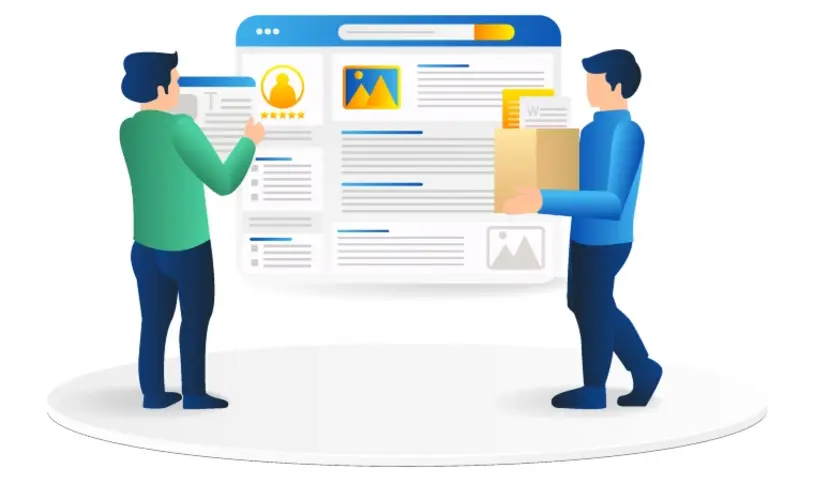
Structured data helps search engines like Google understand who you are, where you operate, and what your pages contain. Add local schema to location pages, contact pages, and key service pages. Include opening hours, address, same-as links, prices where suitable, and accepted service areas. It will not guarantee local results. It simply makes information clearer for machines, which can support clearer visibility for humans when the page is genuinely eligible.
11. Improve On-Page SEO
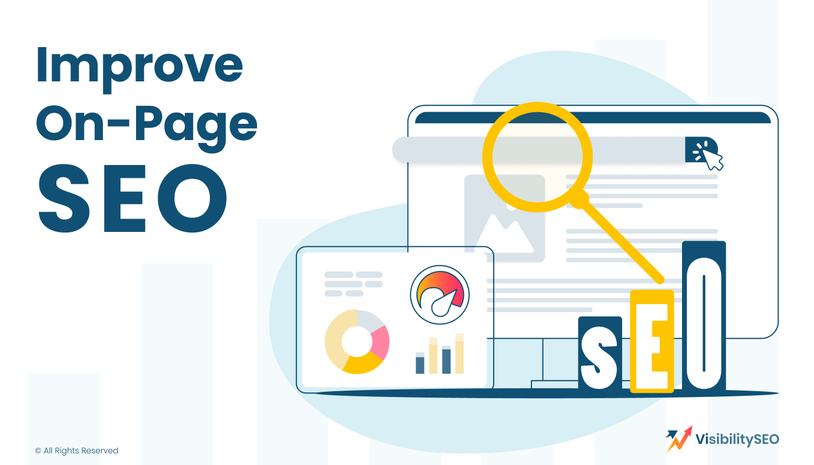
On-page work keeps pages understandable. Website SEO should cover headings, copy, images, internal links, FAQs, calls to action, and page purpose. Remember this basic principle: SEO is the process of making useful pages easier to discover and understand. Keep paragraphs sharp. Add proof. Remove duplication. Then connect related pages. Technical SEO and on-page SEO should support the reader, not interrupt the journey from first question to enquiry with less friction overall.
12. Use Social Media

Use social media to reinforce what people see elsewhere. Share reviews, staff updates, local offers, short videos, project photos, events, and useful advice. Social profiles can support trust, even when they do not directly replace organic work. They can also warm audiences before google ads or remarketing campaigns. Keep posts consistent. Keep details current. Local visibility improves when a business looks active everywhere people check before choosing with confidence online.
13. Run a Technical SEO Audit
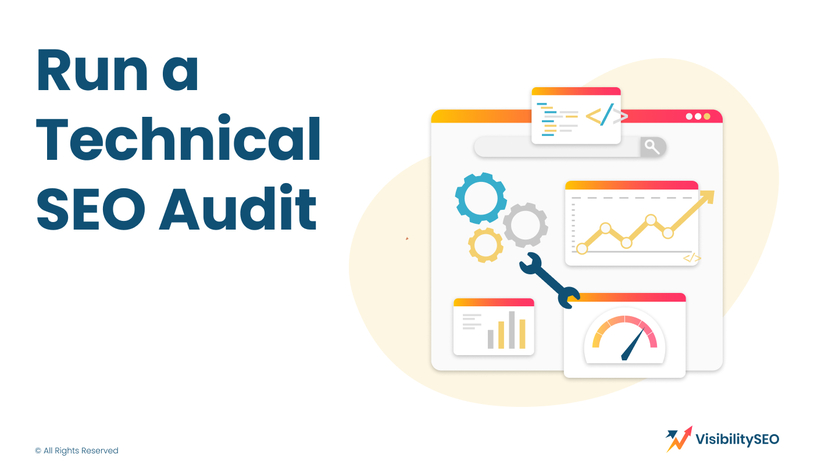
A technical audit finds problems that block performance quietly. Open Google Search Console, review indexing, errors, Core Web Vitals, HTTPS, manual actions, security issues, and sitemap status. Then crawl the site with other tools. Broken links, duplicate titles, thin pages, slow templates, and missing redirects weaken local SEO efforts. Fix the biggest blockers first. The cleanest site gives content a stronger chance to compete when the local market is tight.
- Page indexing: Check whether important pages are indexed. Fix crawl blocks, duplicate canonicals, redirects, and thin pages that Google skips without context.
- Manual actions: Review manual actions inside Search Console. If one appears, understand the cause, fix it, and submit reconsideration carefully after repair.
- HTTPS: Use HTTPS across every page. Mixed content and insecure forms reduce trust, especially when visitors submit personal details online today.
- Security issues: Investigate malware warnings, hacked content, suspicious redirects, and unwanted software quickly before they damage trust or rankings across key pages.
- Sitemaps: Submit a clean XML sitemap. Keep only valuable indexable URLs, then update it when pages change significantly across the site.
- Core Web Vitals: Track Core Web Vitals for mobile and desktop. Prioritise slow templates, heavy scripts, layout shifts, and weak responsiveness across devices.
14. Create a Solid Local Foundation with Your Website

Your website is the foundation. Without it, listings and posts have nowhere deep to send people. Build fast pages, clear navigation, strong location signals, helpful copy, and proof that feels real. Local search rankings depend on many connected signals, but your site controls the most important message. Explain what you do, where you work, who you help, and why someone should trust you before they speak to your team directly.
- Mobile-friendly or responsive design: Use responsive design so visitors can read, tap, call, book, and navigate easily from any mobile screen without friction today.
- Fast page speed: Compress images, reduce script bloat, improve hosting, and test key templates, because slow pages lose impatient visitors before enquiries happen.
- The right URL structure: Keep URLs short, readable, and location-aware where useful. Avoid messy parameters on important commercial pages that need clarity for users.
- Internal links: Use internal links to connect services, locations, guides, reviews, and FAQs so users can move naturally through pages without confusion.
15. Community and Local News Sites

Community signals still matter because people trust what feels close. Build relationships with local communities, chambers, charities, schools, sports clubs, trade groups, and neighbourhood publishers. Share useful updates, not empty announcements. Comment on stories where you have genuine expertise. Support events when it fits. These actions can create mentions, traffic, reviews, and trust. They also make the brand easier to remember when someone needs a trusted provider nearby very soon.
16. Monitor Local SEO Results
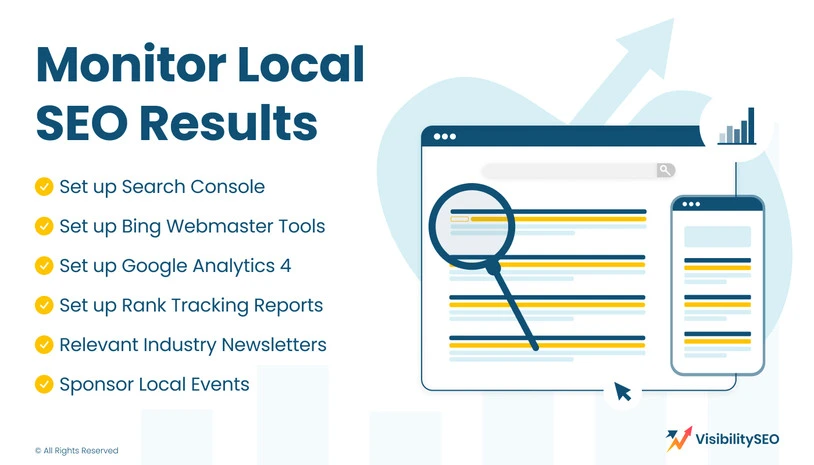
Monitor results or the work becomes guesswork. Track rankings, calls, forms, direction requests, profile views, clicks, reviews, traffic, and conversions. The local search algorithm shifts often, so your SEO strategies need evidence behind them. Watch visibility in local search results, but also look at revenue quality. Successful local SEO is not just movement on a chart. It is better enquiries from the right places at exactly the right time online.
- Set up Search Console: Use Search Console to track impressions, clicks, indexing, queries, and pages that need better content or technical fixes next month.
- Set up Bing Webmaster Tools: Add Bing Webmaster Tools because Bing, Microsoft products, and other discovery routes still bring measurable local traffic worth watching closely.
- Set up Google Analytics 4: Use GA4 to understand sessions, enquiries, phone clicks, form completions, and pages that influence conversion across key journeys properly online.
- Set up Rank Tracking Reports: Create rank tracking reports for priority services, locations, map visibility, organic positions, and competitor movement over time each month consistently.
- Relevant industry newsletters: Follow relevant industry newsletters so algorithm changes, review trends, and local marketing ideas do not arrive late to you again.
- Sponsor local events: Sponsor local events where the audience fits. Then document the involvement with photos, posts, links, and follow-up content afterwards properly.
Put Your Local SEO Checklist into Action and Drive Better Results
Use this ultimate local SEO checklist as a working system, not a one-off task. Start with profiles, citations, reviews, and pages. Then improve content, links, technical health, tracking, and community proof. If the work feels heavy, speak with an SEO expert who understands Google’s local ecosystem and can prioritise the next steps.
The best version is not about chasing tricks. It is about showing that you are real, useful, nearby, and active. Make each improvement part of your local SEO routine, then review performance every month with clear commercial targets and honest decisions about what to change next with discipline.
FAQs
Is a local SEO checklist still important in 2026?
Yes, it is. The checklist has changed, though. It is no longer only about keywords. It now proves trust, identity, activity, and reliability. With AI answers and hyper-local maps shaping choices, businesses need verified details, active profiles, strong content, and consistent local signals everywhere online consistently.
Are business listings important for local SEO?
Yes, business listings are critical for local SEO. They act as trust signals, showing that a business is legitimate, active, and located where it says it is. Accurate listings also help customers call, visit, compare, and choose with less doubt, especially when the same details appear across trusted directories online.
How does local blog content support google business profile visibility?
Local blog content supports Google Business Profile visibility by building local authority and improving keyword relevance. It also creates useful material for Google Posts. When a business publishes geo-targeted advice, event updates, service guides, and community stories, it feeds Google clearer local signals and helps the profile feel active regularly.

- SEO Consultant vs SEO Agency – What is the Difference? - June 25, 2026
- FAQ Schema: A Simple SEO Trick for Better Visibility - December 20, 2025
- What Is YMYL and Why It Matters for SEO? - December 16, 2025