Getting enquiries from SEO in 2026 needs more than rankings, traffic graphs, and long keyword lists. SEO is essential because buyers now compare quietly before they speak to anyone. Businesses need pages that match intent, answer quickly, and guide the right visitor towards action through organic search, not just traffic to your website or vague visibility signals alone.
The aim is to turn organic traffic into qualified leads, then learn from what happens next. With the right SEO strategies, your website becomes a practical growth channel, because SEO Leads can drive steady commercial demand. That shift makes strategy more accountable commercially.
What is SEO Lead Generation?
SEO lead generation is the process of attracting people through a search engine, then encouraging them to contact, book, download, call, or request more information. It combines visibility with conversion. Search engine optimization helps your pages appear when someone searches for a relevant problem.
Then proof, forms, and calls to action help that potential customer move forward. In practice, SEO involves optimizing content, structure, speed, and intent. A controlled lead generation process matters, and comprehensive SEO services should keep each step aligned properly. It is less about vanity ranking and more about matching demand with helpful answers quickly and consistently.
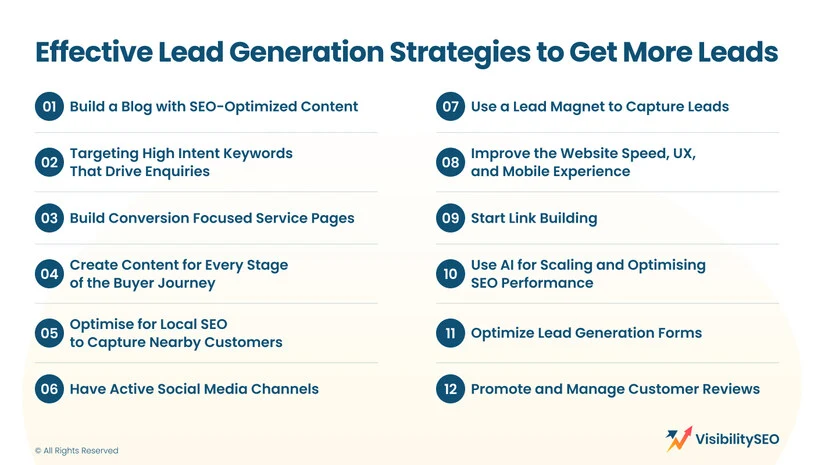
12 Effective Lead Generation Strategies to Get More Leads
The best SEO lead generation strategies are proven to work. They do because they join search intent with user behaviour. A page can rank well and still fail. A blog can educate, yet never convert. A form can exist, but feel too much effort. With the right marketing strategies, business owners should improve visibility on their pages. They should create useful journeys for customers and encourage them to spend time with their businesses.
These strategies will show every owner how to use SEO properly. These are SEO tactics use various smart ideas, as well as technical SEO practices. With them, you can turn lead generation into a repeatable system. It will also help potential leads feel understood, attract leads earlier, and create higher quality leads when buyers are finally ready to speak.
1. Build a Blog with SEO-Optimized Content

A useful blog should answer real questions before a buyer speaks to anyone. Start with problems, comparisons, costs, mistakes, and practical guides. Then organise every post around one clear intent. Strong SEO content does not ramble. It explains, proves, and points the reader towards the next step. Use on-page SEO carefully, with headings, internal links, metadata, and concise answers that help search engines send relevant visitors towards your business today.
2. Targeting High Intent Keywords That Drive Enquiries

High-intent keywords matter because some searches show urgency. A person searching “how does SEO work” may only want education. A person searching “SEO agency near me” may be closer to a decision. Build pages around buying phrases, location terms, problem-led searches, and service comparisons. This is where SEO for lead generation and lead generation SEO become practical, because you choose phrases that create leads for your business with intent today.
3. Build Conversion Focused Service Pages
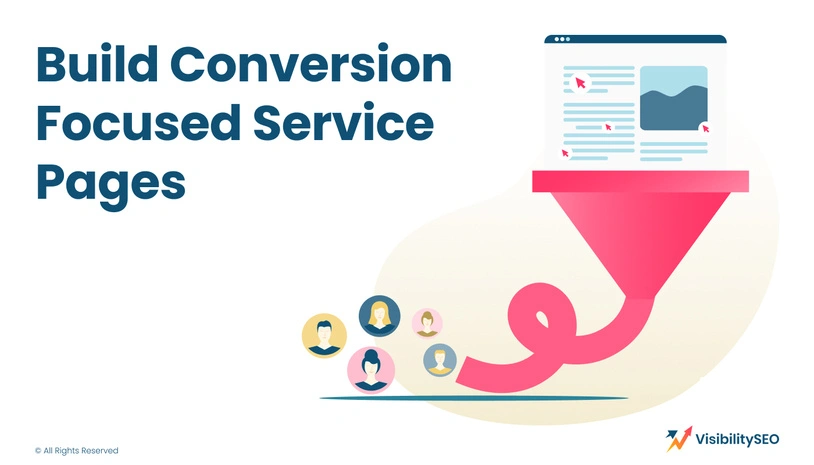
Service pages should work harder than simple descriptions. They need a clear promise, proof, process, pricing signals where appropriate, and a direct next step. Visitors scan quickly. Give them structure. Make the benefit obvious. Use testimonials, examples, FAQs, and visible calls to action. A focused page is effective for lead generation when it removes doubt and turns visitors into leads without making them hunt for contact details or enquiry form.
4. Create Content for Every Stage of the Buyer Journey
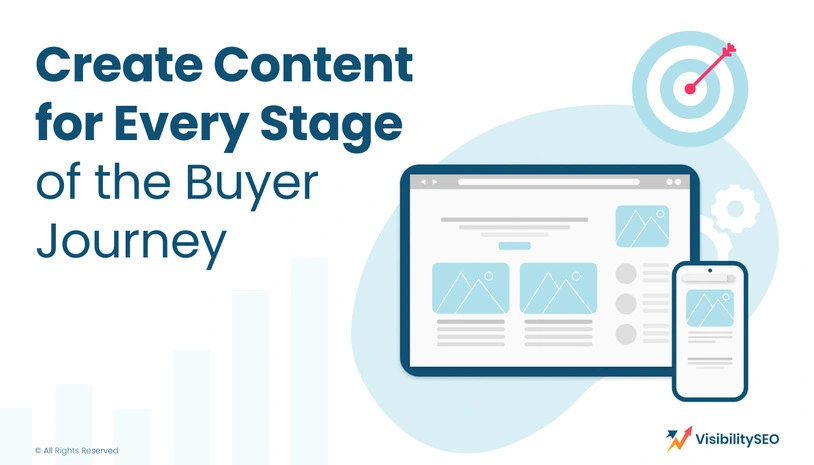
Not every visitor is ready to buy. Some are comparing options. Some are diagnosing a problem. Others already know they need support. Create awareness guides, comparison pages, case studies, pricing explainers, and decision-stage service content. SEO is crucial because it lets you reach as many leads as possible across different moments, so people can understand, evaluate, and eventually become a lead when timing feels right. That goal of SEO matters.
5. Optimise for Local SEO to Capture Nearby Customers
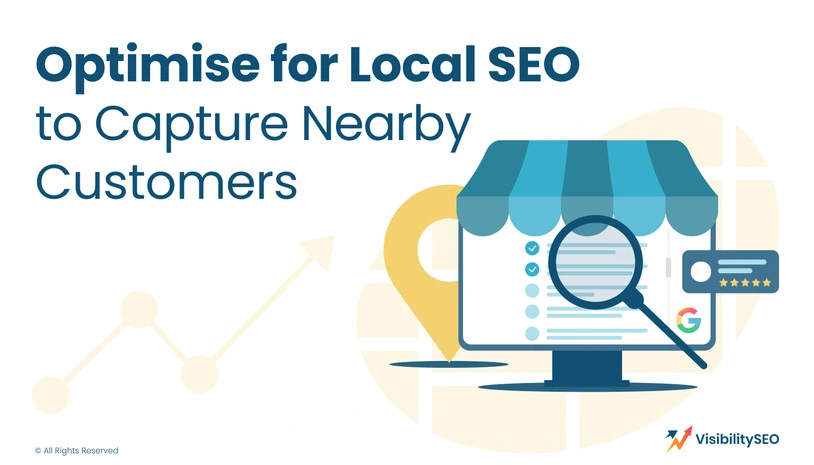
Local visibility can move faster than broad national ranking, especially for service businesses. Keep your Google Business Profile accurate. Add services, areas, photos, reviews, and posts. Build local landing pages that feel specific, not copied. Good local SEO strategies support a business’ lead generation efforts by increasing proximity, trust, and intent. That can create new leads from people ready to call, book, or visit with less wasted local search traffic.
6. Have Active Social Media Channels

Social media does not replace SEO, but it can support it. Active channels help people recognise your brand, share content, and return to useful pages. They also give your expertise more places to be seen. In practice, SEO and lead generation benefit from stronger distribution. Promote guides, case studies, reviews, and answers. Done well, lead generation and SEO feel connected, not separate, across useful customer touchpoints online, not only search.
7. Use a Lead Magnet to Capture Leads

A lead magnet gives visitors a reason to share their details before they are ready to buy. It could be a checklist, calculator, guide, template, report, or audit. The offer must solve a small problem quickly. That is where offering free SEO audits can work well for service providers. Good lead generation tactics boost your lead generation efforts because the exchange feels useful, fair, and timely with clear practical value.
8. Improve the Website Speed, UX, and Mobile Experience
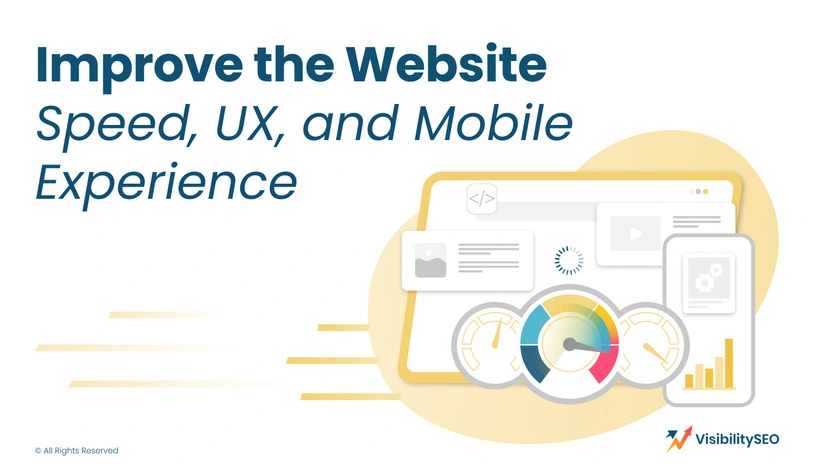
Slow pages lose enquiries. Confusing layouts lose them too. Improve your SEO by checking speed, mobile usability, navigation, accessibility, and form behaviour. Effective SEO needs technical fixes, but also plain language. People must understand where they are, what you offer, and what to do next. Strong page experience supports overall SEO because it keeps users engaged long enough for your calls to action to be noticed on every modern device.
9. Start Link Building
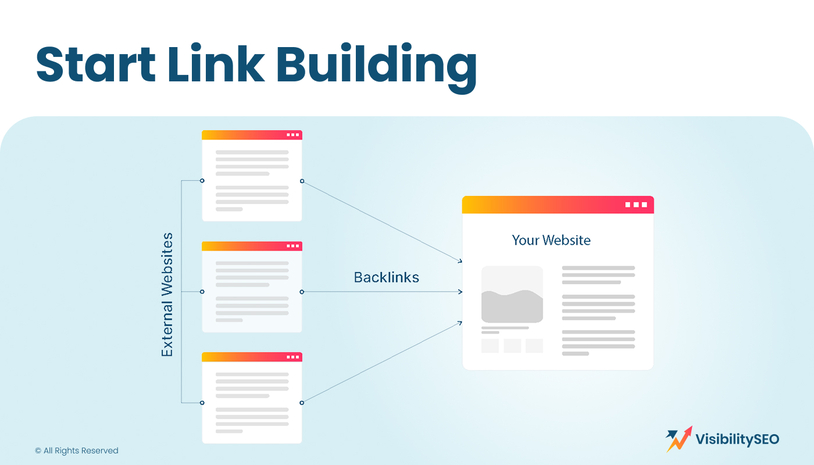
Links still matter, but they must be earned sensibly. Useful research, original data, expert commentary, local partnerships, supplier pages, PR stories, and strong resources can all attract relevant links. Avoid shortcuts. Poor links can damage trust. Strong links support authority and visibility on search engine results pages, especially in competitive markets. Combined with SEO best practices, link building can bring traffic and leads from interested audiences with genuine topical relevance.
10. Use AI for Scaling and Optimising SEO Performance
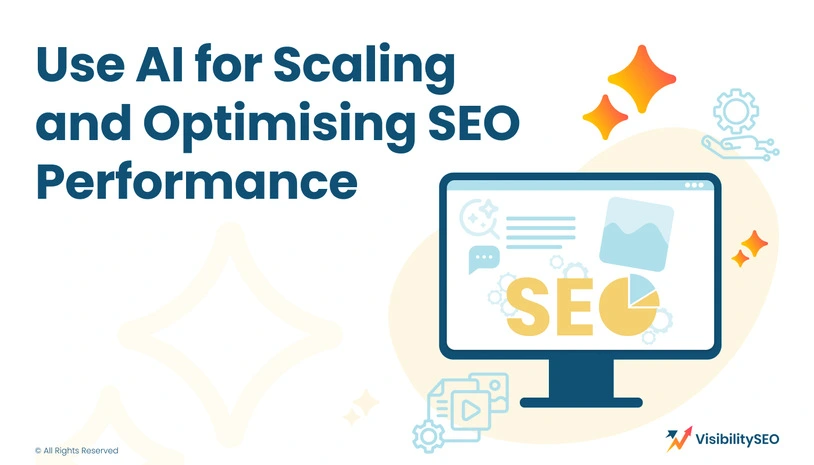
AI can speed up research, clustering, briefs, internal link planning, content updates, and reporting. It should not replace judgement. Use it to find gaps, compare competitors, summarise data, and spot pages that need improvement. Then edit carefully. Real expertise still matters. AI SEO can support successful SEO when it strengthens decisions, not when it floods the site with thin pages. Used carefully, it can boost lead generation and scale carefully.
11. Optimize Lead Generation Forms
Forms should feel easy, not suspicious. Ask only for what you need at that stage. Use clear labels, helpful error messages, short fields, and reassurance near the submit button. Place forms where intent is strongest, then test wording and layout. This is where visitors into qualified leads becomes measurable. Better forms capture high-quality leads, reduce drop-offs, and move prospects into clearer follow-up without adding unnecessary friction for serious buyers today.
12. Promote and Manage Customer Reviews
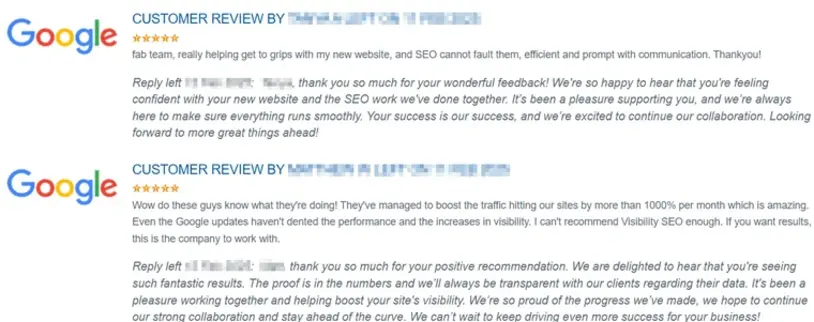
Reviews carry weight because they show real experience. Ask at the right moment, make the process simple, and reply professionally. Use reviews on service pages, location pages, and key conversion points. They build trust before a call happens. Review schema may also improve how your result appears. Strong reputation work can boost your SEO lead generation by helping unsure searchers choose you instead of weaker proof with stronger visible proof.
Turn SEO Lead Generation Data Into Actionable Insights
Data turns guessing into improvement. Track rankings, impressions, clicks, enquiries, calls, form starts, form completions, page speed, review growth, and conversion rate. Then connect those numbers to sales outcomes. SEO tools and SEO lead generation tools can reveal opportunities, but interpretation matters more than dashboards.
Look for pages with traffic but weak enquiries. Proper reporting improves lead generation success because it shows where SEO efforts create organic traffic and leads, where lead generation campaigns waste attention, and where teams can convert leads more effectively. Then refine pages, offers, and follow-up so lead generation efforts by increasing relevance produce measurable gains.
FAQs
How can SEO lead generation help retain customers?
SEO can help retention by attracting better-fit customers. When content answers real questions, sets expectations, and explains value clearly, customers arrive with fewer doubts. That supports stronger relationships after purchase. Useful guides, reviews, and support pages also keep clients engaged, which helps turn leads into customers who understand your service.
What is the fastest way to generate SEO leads?
The fastest route is usually bottom-of-funnel local SEO and high-intent keywords. Focus on existing pages first. Improve titles, service copy, proof, calls to action, and local signals. Traditional SEO takes time, but optimising assets for buyers already searching can produce enquiries sooner, especially for urgent services and location-based searches now.
How many leads can you generate per day from SEO?
Daily lead volume varies widely. Some sites may receive one enquiry. Others can reach even more than 100. It depends on multiple points. Starting with search volume and the particular niche, and going to rankings, conversion rate, and offer strength – it all makes a difference. SEO compounds over time. This is why the better question is whether your pages create a stream of leads from relevant demand rather than how many of them you can generate.
How to get SEO leads for my business without paid ads?
You can get leads without paid ads by creating helpful content, improving service pages, using local optimisation, collecting reviews, and adding lead magnets. Focus on questions customers search. Then give them a clear next step. That approach helps generate high-quality leads with SEO while keeping spend away from ad platforms.
Can AI SEO Help Me Generate Leads?
Yes, AI SEO can help when used carefully. It can find keyword gaps, group intent, review competitors, improve briefs, and analyse performance faster. It still needs human review. The best results come when AI supports SEO lead generation tools, content planning, and testing, rather than replacing expertise with generic output.

- SEO Consultant vs SEO Agency – What is the Difference? - June 25, 2026
- FAQ Schema: A Simple SEO Trick for Better Visibility - December 20, 2025
- What Is YMYL and Why It Matters for SEO? - December 16, 2025