When you need an answer, an idea, or even a new product or service, where do you go? Probably not the Yellow Pages. You’re not heading into town or even asking friends or family anymore, are you? Odds are, you’re turning to Google, just like everyone else. And here’s the thing: most people don’t bother looking past the first few results.
That’s exactly why SEO (search engine optimization) has become such a massive industry. It’s all about helping websites rank higher on Google by aligning with its ranking factors. The goal is more visibility, more clicks, more traffic.
Read on to find out what actually drives those SEO rankings and how you can make sure your site stands out where it matters most. Let’s dig into it.
What is SEO Rankings?
SEO ranking refers to where a website shows up on a search engine results page. It’s all about ranking factors. Search engines look at these to figure out which content is the most relevant and useful for the searcher. Some sites rank higher because they’re delivering quality content that really hits the mark. Others, not so much. It’s a balance and every little factor plays a role.

The Importance of Search Rankings
Search rankings matter more than you might think. They can make or break how people discover your brand. Let’s dive into why improving them is worth your time and effort:
- Increased brand awareness:
Ranking higher means more eyes on your business. Think about it: when was the last time you scrolled to page two of Google? Visibility builds trust, making your brand memorable.
- More sales:
Better rankings drive more clicks, and more clicks mean more potential sales. People trust top results. If you’re up there, they’ll likely click and maybe even buy.
- Lower customer acquisition costs:
Better search rankings mean less money spent on ads. Organic traffic does the heavy lifting for you.
How do Google Search Rankings Work?
Understanding how Google search rankings work can feel like solving a puzzle. There’s no magic formula, but several key factors come into play. Let’s break it down together:
- Purpose of the page:
Google wants to know what your page is aiming to do. Whether it’s answering a question, sharing a product, or telling a story, a clear purpose helps the page rank better.
- Content quality and amount:
Does the page provide useful, detailed information? Thin content or fluff won’t cut it. Google favors pages that are packed with value, offering depth and insight while staying relevant to the topic.
- Website info and info about the content creator:
Transparency matters. Pages with clear info about the site and creator build trust. Think: an About page, contact details, or credentials that show expertise.
- Website reputation and content creator reputation:
Google keeps tabs on reputation. If a site or creator is credible and well-regarded, it helps rankings. Reviews, backlinks, or mentions on reputable sites can boost this. Shady practices not so much.
- User interaction with the page:
Do people click, stay, and engage? Or do they bounce? Pages that hold attention and deliver what users need tend to do better. After all, if users love it, Google takes notice.
- Expertise, authority, and trustworthiness (E-A-T):
This is a big one. You need o check too important boxes: The content must come from someone who knows their stuff. Also, is must be accurate and reliable. Google ranks pages higher when they exude authority, expertise, and trust.
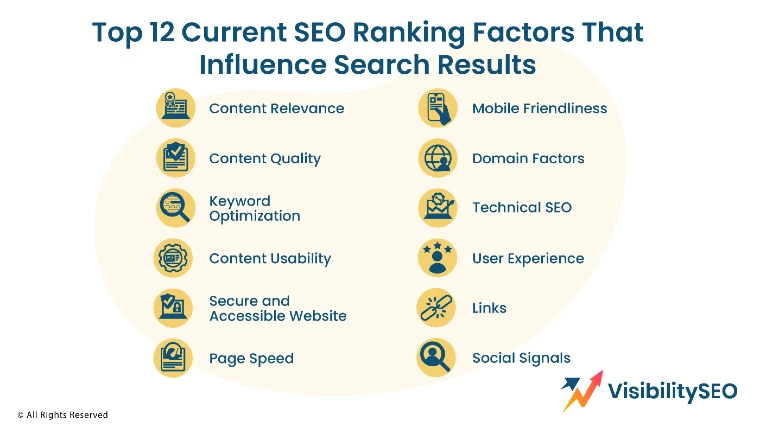
Top 12 Current SEO Ranking Factors That Influence Search Results
Google ranking factors are like little signals that tell it how relevant, useful, and user-friendly your content is. But what exactly are those factors? Let’s break it down.
Below, we’ll walk through the SEO ranking factors Google has confirmed and some others our research suggests might have an impact. Ready? Let’s dive in.
1. Content Relevance
Relevance is everything. Google prioritizes it because it helps satisfy user intent. Think about it: if someone searches for “best running shoes,” they don’t want to land on a blog about hiking trails. They want exactly what they’re looking for, and Google knows that.
Our data backs this up: text relevance is one of the strongest factors tied to high SEO rankings. But how does Google measure relevance? Here are a few clues:
- How users interact with your page (are they sticking around or bouncing off quickly?)
- Entities mentioned in your content (like people, places, or things that tie into the search queries)
- Timing (when was your content published or last updated?)
- Keyword placement and prominence
Google’s natural language processing (NLP) also plays a big role. It helps Google really “read” your content, understanding context and relationships between words. This is why keyword stuffing doesn’t work anymore; it’s about creating content that actually matches what searchers need.
2. Content Quality
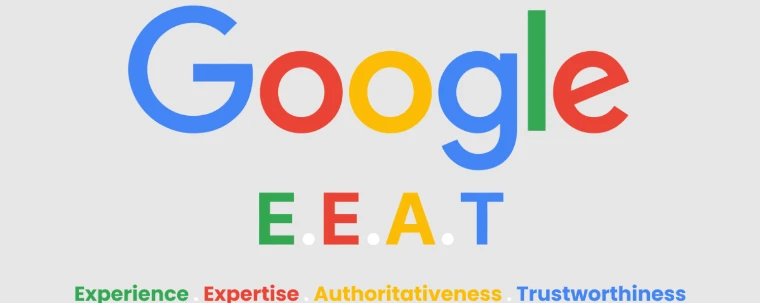
Let’s talk quality. Google isn’t just scanning for relevance; it wants trustworthy, expert-level content. That’s where E-E-A-T comes in: Experience, Expertise, Authoritativeness, and Trustworthiness. These qualities make your content stand out.
E-E-A-T isn’t an official ranking factor on its own, but it guides how Google defines quality. And some elements tied to E-E-A-T actually are confirmed ranking factors, like backlinks. High-quality backlinks from trusted sources signal that your content is reliable.
But backlinks aren’t everything. Google might also look at:
- Original ideas (is your content saying something fresh?)
- Your site’s publishing habits (do you regularly cover this topic?)
- Author credentials (what makes the writer qualified?)
- Citations or references (are you backing up claims with solid sources?)
- Content accuracy
- Readability (is your audience actually able to understand and enjoy the content?)
When we at Visibility SEO helped a local health blog boost their rankings, we focused on creating content packed with original research and expert contributions. The results spoke for themselves.
3. Keyword Optimization
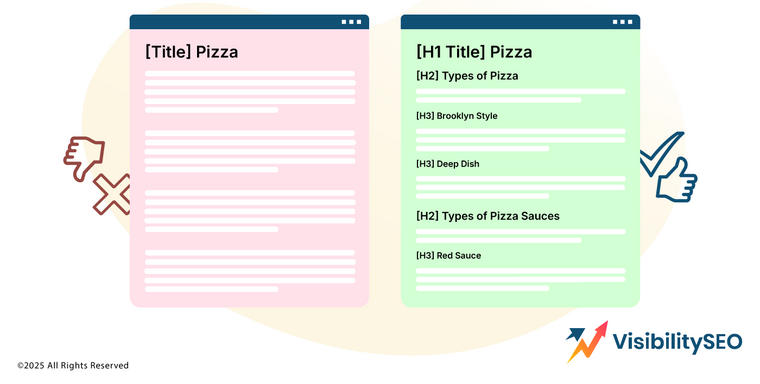
Keywords still matter. But it’s not just about cramming them in—it’s about placing them strategically. Once you know your target keywords, here’s where you should include them:
- Title tag (this is your meta title; it’s the most important spot)
- H1 title (your page’s main title)
- H2 headings (aim for at least two)
- URL (keep it short and clean)
- Body content (naturally, especially in the first 100 words)
- Meta description (the short snippet under your web page title in search results)
For example, if your keyword is “best workout routines,” you might write: “Searching for the best workout routines? This guide offers effective exercises for every fitness level!”
Keep it natural. Your goal is to help users find exactly what they’re looking for. Keywords are a guide, not the end goal.
4. Content Usability

Here’s the thing: even the best content won’t rank well if users can’t access it easily. Google cares about usability—how safe and smooth your site is to navigate. And we’ve seen this firsthand at Visibility SEO when optimizing client websites. It’s a game-changer.
So, what does usability mean? Google once listed these as key user experience signals:
- Core Web Vitals: Measures like page speed and interactivity (faster is better).
- Mobile-friendliness: Your site needs to work seamlessly on phones and tablets.
- HTTPS: Secure sites get a boost. If your site still runs on HTTP, it’s time to upgrade.
- Intrusive interstitials: Annoying pop-ups that block content? Yeah, don’t do that.
Take one of our clients, a small e-commerce store. Their site had great products but wasn’t mobile-friendly. After making the site responsive and speeding it up, their rankings and conversions improved dramatically. It’s proof that usability isn’t just for rankings; it’s for your audience too.
5. Secure and Accessible Website
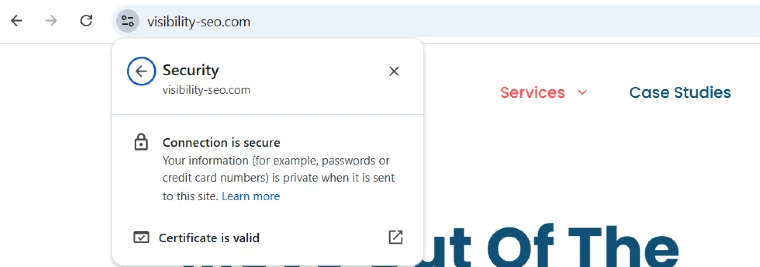
When it comes to SEO, having a secure and accessible website is non-negotiable. We once worked with a local service provider whose site was riddled with broken links and no SSL certificate. It wasn’t just a ranking issue; it was losing customer trust.
Once we secured their site with HTTPS and resolved those accessibility errors, their organic traffic saw a solid uptick in just a few months. People want to feel safe browsing your site, and so does Google. A secure, accessible site is not just good for SEO; it’s good for business.
6. Page Speed
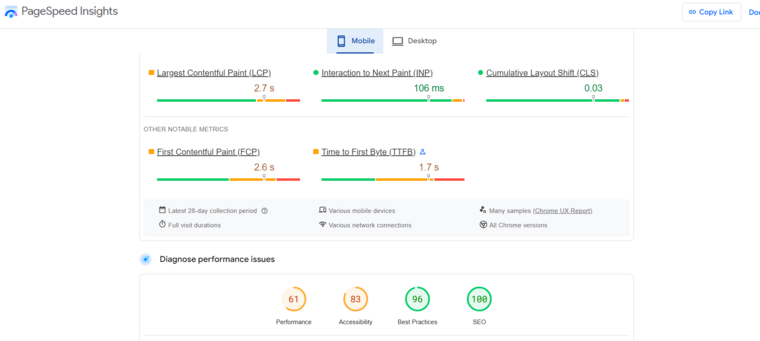
Everyone knows a slow-loading website can send visitors running. Google has made it clear: page speed is part of its page experience evaluation. So, if your site is sluggish, it’s not just your bounce rate that suffers, your SEO does too.
Thankfully, there are tools to help. Google PageSpeed Insights, for example, lets you test your site’s speed and see how it performs for both desktop and mobile users. One key focus is Core Web Vitals. These three metrics are crucial for understanding how fast, responsive, and stable your site feels:
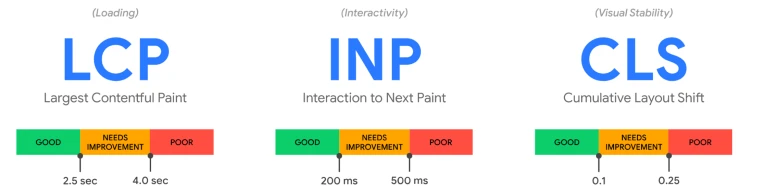
- Largest Contentful Paint (LCP): This measures loading performance. Aim for under 2.5 seconds.
- Interaction to Next Paint (INP): This tracks responsiveness. Ideally, keep it below 200 milliseconds.
- Cumulative Layout Shift (CLS): This checks visual stability (no one likes buttons jumping mid-click). A good CLS score is less than 0.1.
If your site isn’t hitting those benchmarks, don’t stress—there are fixes. Start by:
- Reviewing your site’s structure.
- Reducing or eliminating redirects.
- Enabling caching.
- Optimizing your images.
For an extra boost, consider using a site speed optimization tool. Some solutions predict user behavior and preload pages, cutting load times dramatically. Faster pages mean happier users and happier search engines.
7. Mobile Friendliness
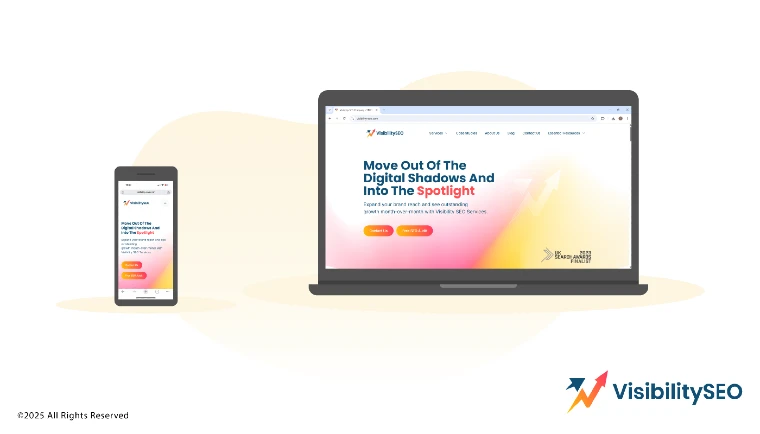
Here’s a question for you: Does your site look great on a phone? If not, you’re missing the mark. Mobile traffic has exploded, and Google’s been paying attention. Since switching to mobile-first indexing in 2018, it prioritizes mobile-optimized sites—even when ranking desktop search results.
Responsiveness isn’t optional anymore; it’s essential. Your site should adapt effortlessly from a smartphone to a tablet to a desktop, all while staying clear, easy to navigate, and user-friendly.

Not sure where your site stands? Use tools like Google Lighthouse. It’s built into Chrome DevTools, but you can also run it as a Node module or from the command line. Lighthouse runs audits on your page and hands you a report highlighting where you’re excelling—and where you’re falling short. It even provides actionable tips to help you address any issues.
So, take a step back and ask yourself: Is your site as fast and responsive as it should be? If not, you’ve got the blueprint to fix it. Your visitors (and Google) will thank you.
8. Domain Factors

When it comes to SEO, domain factors play a big role in how your site ranks. Let’s break it down and see what these factors mean for your site’s performance:
- Domain Age:
For domains, age matters. Search engines tend to trust older domains more because they’ve had time to establish authority. But don’t worry if your domain is newer. Quality and relevance can still help you compete.
- Keyword Appears in Top Level Domain:
Having your main keyword in the domain name can give you a small SEO boost. It’s not the be-all, end-all, but it does help search engines understand your site’s focus right away.
- Domain Registration Length:
This factor is more subtle. Domains registered for longer periods aren’t necessarily better ranked, but a long registration can signal you’re in it for the long haul. And this is something search engines might notice.
- Keyword in Subdomain:
Using a keyword in your subdomain can also support your SEO efforts. It’s an easy way to provide extra context to search engines about what your site—or specific pages—are about.
- Domain History:
If your domain has been penalized in the past or has a history of spammy activity, it might take a little extra work to build trust again.
- Exact Match Domain:
An exact match domain (EMD) can be great for clarity and relevance if done right. But overdo it, and it can look spammy. Balance is key. Focus on authenticity and user experience first.
9. Technical SEO
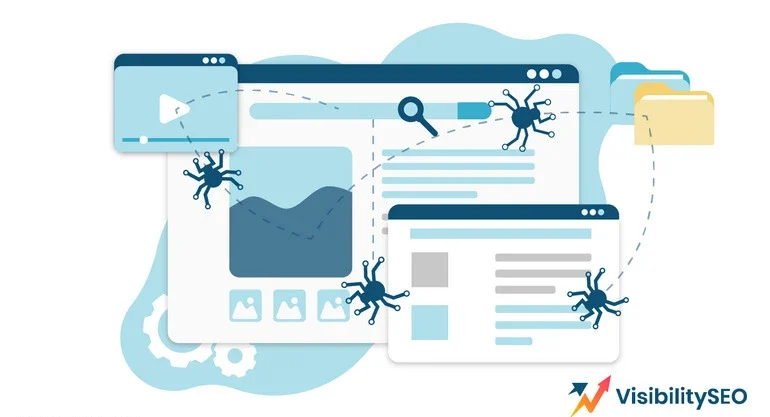
When we talk about SEO, technical SEO is the backbone. Think about it like building a house. You can have stunning decor and flawless furniture, but if the foundation isn’t strong, everything falls apart.
At Visibility SEO, we’ve seen firsthand how technical issues can hold a site back. For example, one client came to us because their loading speed was painfully slow. We fixed it. Tweaked their server response times, optimized images, and cleaned up unused scripts. The result? Their rankings jumped because users (and search engines) loved the swift experience.
10. User Experience

Creating a great user experience (UX) isn’t just a bonus anymore; it’s a must. UX is about making every interaction with your site smooth, functional, and yes, even enjoyable. So, what makes for a strong UX? It’s a mix of things working together:
- Simple navigation that makes finding stuff effortless.
- Clean, consistent design with clear priorities.
- Mobile-friendly layouts that work on any screen.
- Content that’s helpful, engaging, and to the point.
- Fast loading speeds—because no one likes to wait.
11. Links

Links are like the highways of the internet, connecting content everywhere. But not all links work the same way for SEO. Let’s break it down:
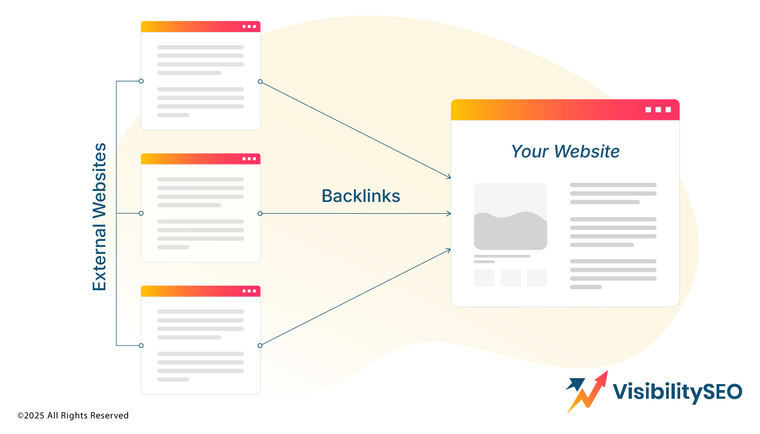
- Inbound links: These are links from other websites to yours. They’re like votes of confidence, telling search engines that your content is valuable. But quality matters more than quantity. A link from a trusted website is gold.
- Outbound links: These are the links you include in your content that lead to other websites. Think of them as your way of sharing useful resources with readers. But here’s the thing: too many can distract, while too few might make your content seem isolated.
- Internal links: These connect pages within your own website. They’re not just about navigation; they help search engines understand your site structure. If you have an old blog post that could use some love, link to it from newer content. It’s a win-win!
12. Social Signals
Social signal are the hidden key to better SEO Every like, share, comment, or retweet is someone saying, “This content is worth noticing.” And search engines? They’re paying attention. While social media links might not directly impact rankings, the ripple effect they create certainly does.
Content with strong social engagement is more likely to attract clicks, drive traffic, and earn backlinks. It’s a cycle of visibility. But your content has to resonate. It’s not just about posting; it’s about starting conversations, building trust, and making people want to stick around. Social signals are a reflection of your reach and connection with your audience, so don’t underestimate their power.
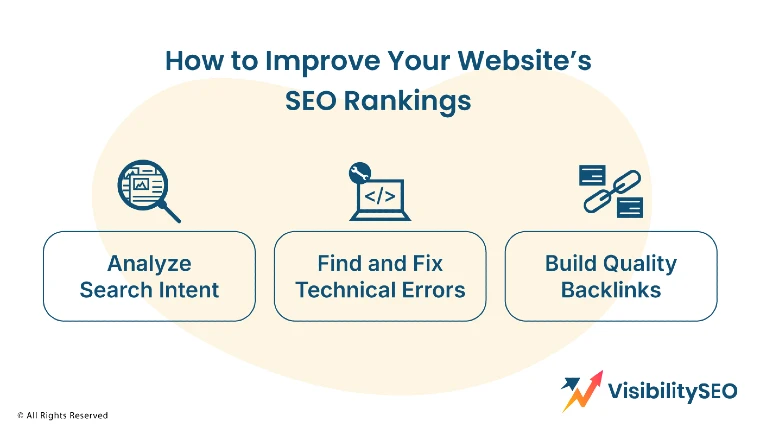
How to Improve Your Website’s SEO Rankings
Next, let’s talk about four practical ways you can boost your website’s SEO rankings. These aren’t overly complex—they’re actionable, effective, and worth your time. Let’s dive in.
Analyze Search Intent
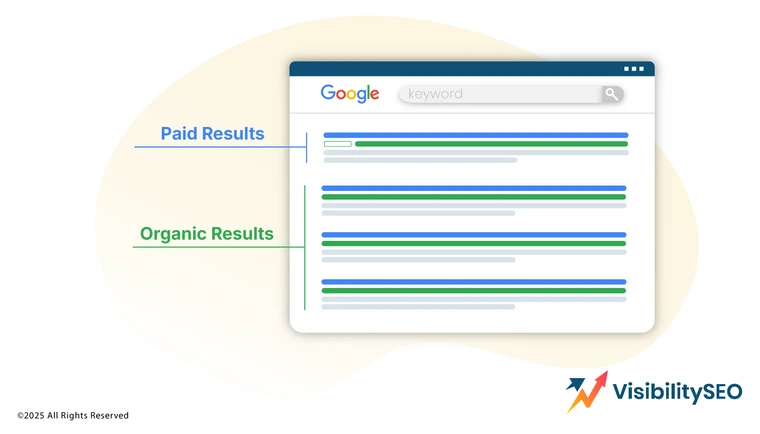
Understanding search intent helps you figure that out. It’s about aligning your content with what users are actually looking for. Here’s how to start:
- Look at the search engine results page (SERP) for your keyword. What’s already performing well?
- Check the types of websites showing up. Are they blogs, e-commerce sites, or something else?
- Review the top-ranking content. What topics or subtopics are they covering?
- Pay attention to SERP features like maps or featured snippets.
If the keyword fits your website’s goals, you’re set to create content that aligns with user needs while meeting Google’s guidelines for helpful content.
Find and Fix Technical Errors

Technical errors can quietly drag down your rankings. Fixing them might feel tedious, but trust me, it’s worth it.
Start by signing up for Google Search Console (GSC) if you haven’t already. Then, check these key areas:
- Page indexing: Are all your important pages indexed? If not, find out why.
- Sitemaps: Submit an up-to-date XML sitemap to ensure Google indexes the right pages.
- Core Web Vitals: This shows how your pages perform in terms of loading speed and usability. Focus on fixing the biggest issues first.
- HTTPS URLs: Make sure every indexed page uses HTTPS. It’s a quick win for security and rankings.
- Manual actions: No one wants a Google penalty. If you’ve got one, address it ASAP.
- Security issues: If Google flags any major security concerns, handle them immediately.
It might seem like a lot, but fixing these issues can make a noticeable difference in your site’s performance.
Build Quality Backlinks

Backlinks. They’re like votes of confidence for your website. The more high-quality ones you have, the more authoritative your site appears to Google. Here are a few proven ways to build them:
- Email outreach: Share your best content with creators who might find it valuable.
- Digital PR: Create stories that people can’t resist sharing—then pitch them to credible publications.
- Respond to media requests: Journalists are always looking for expert input. Offer insights and ask for a backlink in return.
- Unlinked brand mentions: Find people talking about your brand who haven’t linked to you yet. Reach out and kindly ask for a link.
- Broken link building: Identify broken links on other sites and suggest they replace them with links to your content.
Managing link-building campaigns can feel chaotic, but tools like Semrush’s Link Building Tool can simplify the process. It helps you find opportunities, track outreach, and monitor your progress.
Create Content That Deserves to Rank

Here’s a question: Is your content truly answering the questions your audience is asking? If you’re not sure, it’s time to take a closer look.
Focus on creating content that’s useful, engaging, and packed with value. Make it the best resource on the topic. Google rewards content that satisfies user intent, so aim high!
By tackling these four strategies, you’ll be well on your way to improving your SEO rankings. It’s not about perfection—it’s about making steady, impactful changes that drive results over time. Keep at it!
Stay Updated on Your Search Engine Rankings
Ready to boost your SEO game? Visibility SEO is here to help. Whether it’s paid ads or organic rankings, having a strong search presence matters. Why? Because if people can’t find you online, how will they trust you? How will they know your brand even exists? Visibility is everything—it builds trust, grows awareness, drives traffic, and, ultimately, brings in customers.
Our team gets it. We understand Google’s ever-changing ranking factors and know how to work with them (not against them) to get real results. No fluff. Just strategies that actually move the needle.
So, if you’re ready to harness the power of SEO and grow your business, reach out to our experts at Visibility SEO. Let’s chat about what we can do together.
FAQs
What is a good SEO ranking score?
Aim for 80 to 100. That means your site checks all the boxes: technical SEO, content, UX, mobile usability. Some experts say 85+ is ideal. But hey, perfection isn’t always the goal. Focus on steady improvements, and your score will follow.
How long does it take to start seeing rankings on Google?
It depends. For new sites, it’s usually 3 to 6 months. If your site already has strong SEO? Results might show up in just a few weeks. It’s a process, though. Patience and consistency are key.
How to check SEO ranking of a website?
There are plenty of tools out there: Google Search Console, SEMrush, Ahrefs. They’ll show rankings, traffic, even relevant keywords people use to find you. If you want something quick, search your site name and a keyword on Google.

- SEO Consultant vs SEO Agency – What is the Difference? - June 25, 2026
- FAQ Schema: A Simple SEO Trick for Better Visibility - December 20, 2025
- What Is YMYL and Why It Matters for SEO? - December 16, 2025