The search landscape is about to undergo a major change due to SGE or Search Generative Experience. SGE is currently in a limited beta phase and is only available to certain users. It’s Google’s new way of answering search queries by understanding your words and intentions.
Data shows that nearly 94 percent of SGE’s AI-generated answers don’t match the top 10 Google organic search results. This suggests that focusing solely on keywords in SEO strategies might no longer be enough.
Why is this important? SGE could greatly affect search engine optimization and reduce organic traffic to websites for many keywords. However, this change also creates chances for content that wouldn’t usually rank in the top 10 to appear in SGE results.
This post offers overviews of Google SGE and its importance and shares tips on how you can adjust and optimize your SEO strategy for it.

What is Google’s Search Generative Experience (SGE)?
In May 2023, Google announced a new AI-powered search feature called Search Generative Experience (SGE) at its annual Google I/O developer conference. Google Search Labs users can sign up to test SGE, which is available in the US and only works in English.
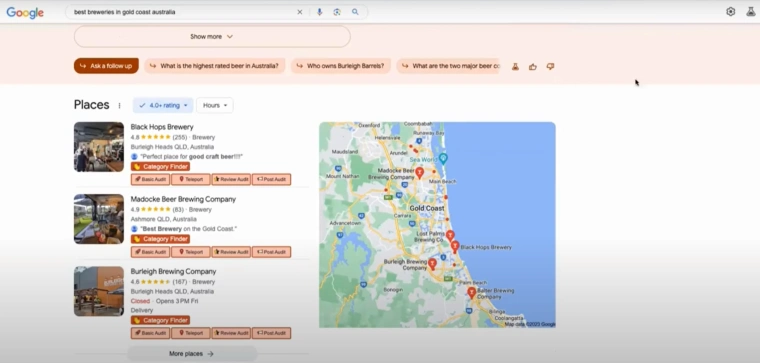
SGE organizes web results in a new way, helping users get more from a single search. The updated search results page offers rich features. Searchers can ask more complex questions and receive personalized answers.
Each search engine results page (SERP) will include a cluster of relevant information and links in an interactive summary, referred to as a “snapshot.” The SGE snapshot seems set to replace Google’s “featured snippet” or “position zero” ranking, which currently uses AI to find the most relevant match for a searcher’s intent.
Users can also ask follow-up questions in a conversational style and generate texts, similar to interacting with AI chatbots like ChatGPT.
The SGE Importance in the SEO World
After Google launched the Google SGE feature, many people became concerned. Predictions suggest that the Search Generative Experience may impact SEO and other Google tools. Here are the main expected impacts.
Website Content
Google SGE prioritizes content quality. In SEO, focus on high-quality content, keyword research, and valuable, reader-friendly material for your site.
Better quality increases the chance of the system using your site to answer questions and get more clicks. However, if users find answers without clicking further, they may not stay on the site.

Website Structure
If the website is user-friendly and makes it easy to search for Google SGE information, it will encourage the system to gather more data to answer questions. Thus, our website should be simple and focus on UX.
In-depth Technical Aspects
It’s speculated that Google SGE might lessen the role of keywords since it understands question context without them. Creating backlinks from other websites may also become less crucial as this feature can independently filter quality sites, removing the reliance on backlinks as before.
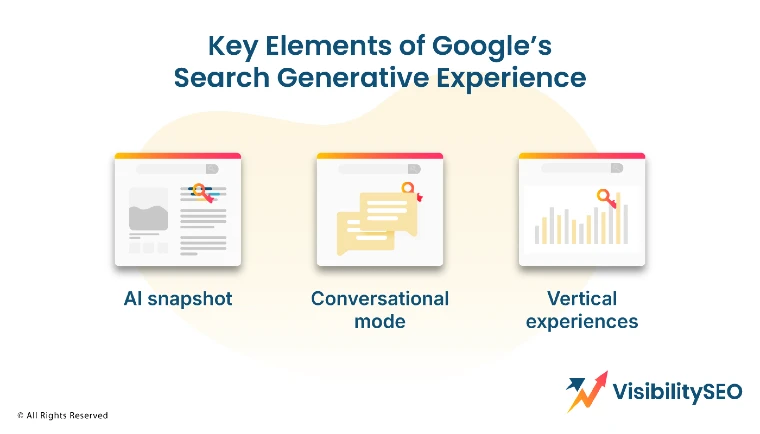
Key Elements of Google’s Search Generative Experience
AI Overviews (formerly called SGE) is a test version of Google’s search engine. It uses artificial intelligence to give clear, detailed answers to tough questions.
Here are three ways it uses AI to make searching better:
AI Snapshot
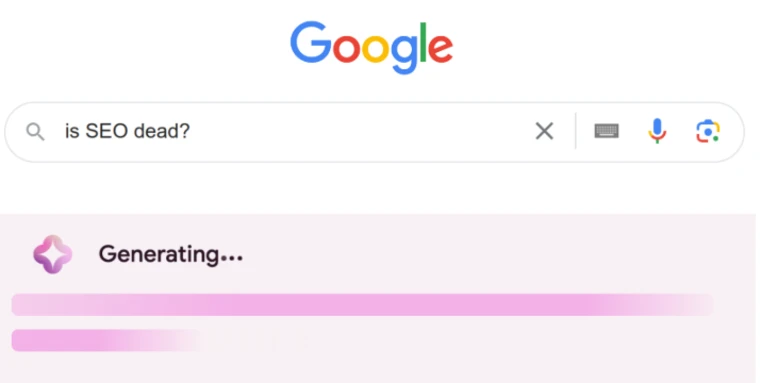
SGE uses AI to create quick answers to complex questions by pulling information from multiple sources. Google calls this a “snapshot.” These snapshots are great for detailed questions like, “What’s a good, peanut allergy-friendly restaurant near the Empire State Building with no long wait?”
But SGE isn’t just about answering and moving on. It’s designed to still drive visitors to websites. Each snapshot shows three clickable links with thumbnails, making it easy to explore more.
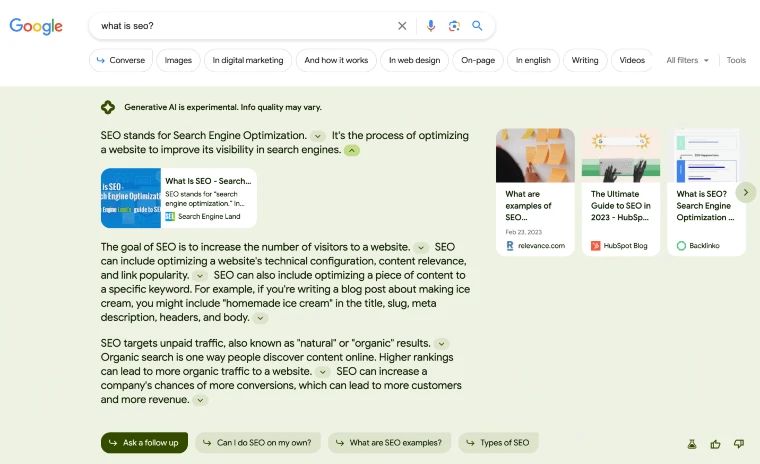
Google has also added a feature called the “bear claw.” It lets you expand the snapshot to see the sources behind each sentence. This builds trust since the information is verified.
However, SGE doesn’t always give answers. For sensitive topics like healthcare or finances, or when there’s not enough data, it skips snapshots.
The takeaway? SGE changes how search works. It could affect website traffic, rankings, and ad costs.
Conversational Mode
Google searches don’t always stop at the first question. That’s where SGE’s conversational mode comes in—it answers follow-up questions while remembering what you asked before. You can use it by tapping “ask a follow-up” or choosing a suggested next step.
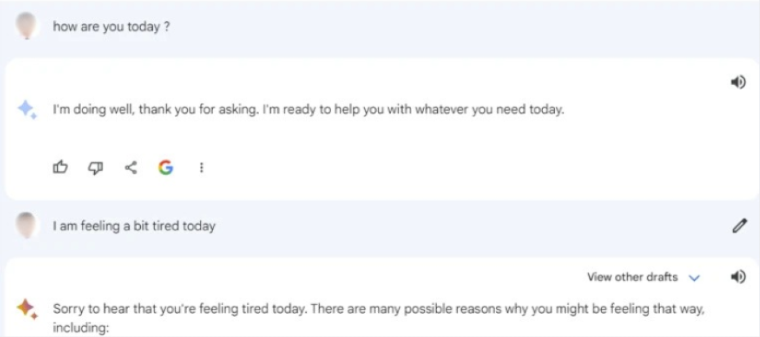
For example, if you search “how to grow tomatoes” and then ask “best soil for them,” SGE understands you’re referring to tomatoes. It keeps the context and provides links to gardening resources and soil recommendations.
For businesses, this creates a big chance to show up in these searches. Focus on high-quality content and updating your keywords to match longer, detailed queries.
Vertical Experiences
SGE is changing how we search for things like shopping and finding local businesses, especially for complex questions.
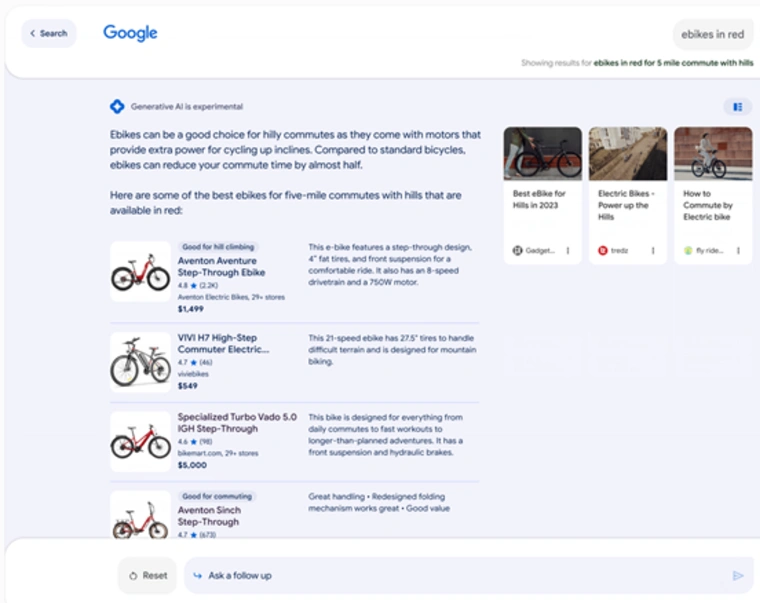
Imagine you’re looking for a bike for a hilly five-mile commute. SGE understands your needs, searches millions of products, and gives you a list of options. It even suggests what to look for, like features or colors, and lets you refine your search.
When you pick a product, you’ll see reviews, prices, pictures, and where to buy it, along with stock info. Google’s new AI shopping tools make searches more visual and detailed. Businesses should prepare by using more images in their ads.
How Does Google SGE Work?
Google’s generative AI search uses advanced AI technologies like:
- Natural language processing
- Large language models
- Machine learning
- Deep learning
These technologies help Google understand search queries, process content, and generate responses. Users can ask follow-up questions using SGE and even get product recommendations.
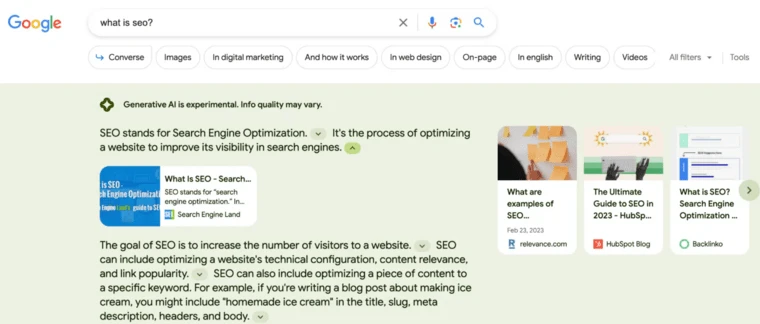
Here’s how Google SGE works:
- Data processing and analysis: Users input questions or sentences to start searching.
- Search for information: It collects data from reliable sources, including websites, documents, images, and videos.
- Present information: Delivers conversational answers or concise summaries that are easy to understand.
How to Turn on Google SGE?
Below, we’re listing the steps you need to take to turn Google SGE on.
To use Google Search Generative Experience, make sure you have:
- A Chrome browser
- A Google account
- Be 18 or older
- Live in one of the 120+ countries where Google SGE is available
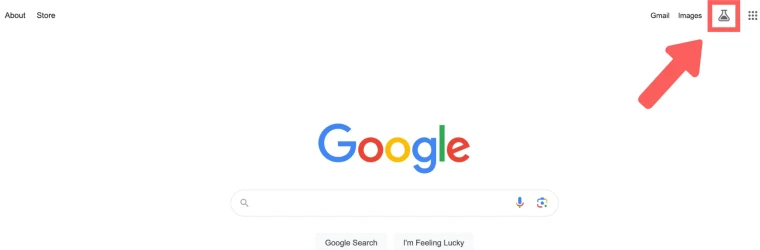
Google SGE is experimental, so you need to opt in to use it. Follow these steps to enable it:
- Open Chrome and sign in to your Google Account.
- Open a new tab and go to Google.
- Click the “Labs” icon at the top right. If you don’t see it, SGE isn’t available in your country.
- On the “SGE, generative AI in Search” card, click the toggle.
After completing these steps, you can try Search Generative Experience. You’ll now see AI-generated responses for some searches but not for all.
Difference Between Google SGE and Other Tools
Google SGE, or Search Generative Experience, is a new way for Google to answer questions using AI. It’s different from other tools because it gives more interactive and detailed responses.
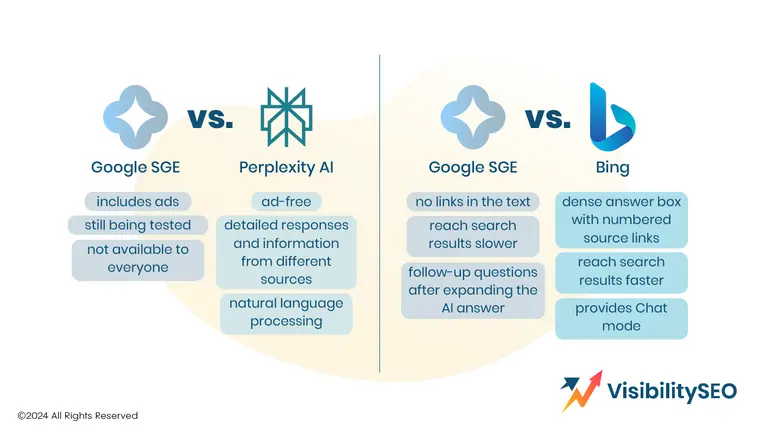
Google SGE vs. Perplexity AI
Perplexity AI is a search engine using advanced AI and natural language processing. It provides an ad-free search experience. Users receive detailed responses and information from different sources, offering a clear understanding of complex topics.
In contrast, SGE also creates answers but includes ads and is still being tested, so it’s not available to everyone.
Google SGE vs. Bing
Bing was the first to create a generative search experience, but Google SGE leads in some areas. Bing offers a dense answer box with numbered source links, while Google SGE takes up the whole page without links in the text.
The image compares Google Search Generative Experience and Bing’s generative search, showing differences in presentation and structure. Bing’s AI answer on the right lets users reach search results faster than Search Generative Experience.
You can ask Google follow-up questions after scrolling or expanding the AI answer, while Bing provides Chat mode.
What are the SGE Challenges?
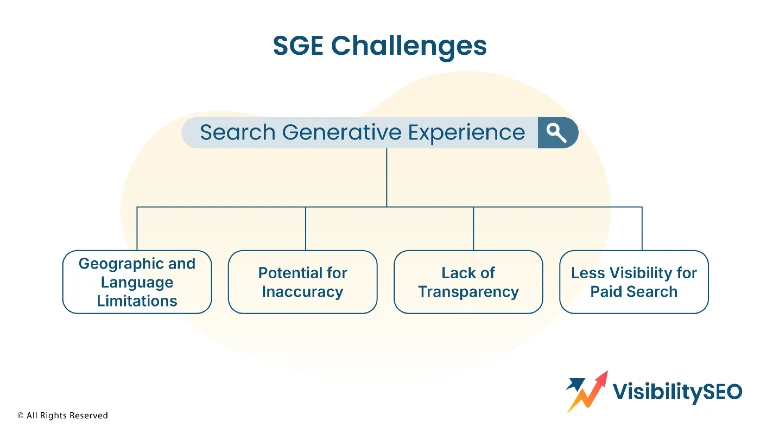
Google’s Search Generative Experience brings new challenges and opportunities for SEO. Let’s explore the main challenges you might face with this AI-driven tool.
Potential for Inaccuracy
SGE is in early development and might sometimes provide incorrect information. Google Search Generative Experience includes a disclaimer: “Generative AI is experimental. Info quality may vary.”
Lack of Transparency
Google’s PaLM 2 is a closed model that hides its decision-making process. This lack of transparency conflicts with users’ need to understand how AI reaches conclusions.
Geographic and Language Limitations
Google Search Generative Experience is offered in seven languages across more than 120 countries, but it hasn’t launched in Europe yet. Google aims to expand its AI search experience to more countries while adhering to local regulations and AI principles.
Less Visibility for Paid Search
Ever wonder where all those paid ads go in a world reimagined by generative AI? They seem to fade into the background—lost, barely noticed. Is traditional advertising even keeping up anymore?

Benefits of Google’s Generative AI Search
Google’s Generative AI Search isn’t perfect, but it sure makes life easier. Let’s talk about why it’s worth your attention—even with a few flaws along the way.
- Simple Overview of Complex Topics: Ever googled something and felt overwhelmed? This AI cuts through the noise. It simplifies tough topics, breaking them down into easy-to-digest summaries. No more endless scrolling.
- Conversational Results: The results feel human. Not robotic or overly technical. It’s like having a helpful friend explain things to you, one step at a time. Isn’t that what we really want?
- Fast and Direct Information: Got a question? AI delivers quick, clear answers. Sure, it might miss the mark sometimes, but for most things, it’s spot-on. Saves you time for what really matters.
What Does Generative AI Search Mean for SEO?
Generative AI can impact SEO both positively and negatively. It might decrease organic traffic but could attract leads that are more likely to convert.
Here’s how it might reduce traffic: If users find enough information in AI summaries, they may not visit websites, including yours. For example, a detailed AI answer to “What is a CRM in real estate?” could deter users from clicking on source websites, even though Google credits them.
However, Search Generative Experience might bring better-quality leads to your site. Google describes Search Generative Experience as a starting point for exploring web content. Traffic may drop for simple queries, but users will still need more detailed research. Visitors who reach your site will likely be informed and ready to engage.
Google combines AI content with traditional search results, not replacing them. Traditional results remain below AI responses. Only users opting for Search Generative Experience see AI-generated results; others still use traditional search.
Prepare for the Future of Google SGE
We get it, Google’s SGE shakes things up, and honestly, it’s a lot to keep up with. But you don’t have to do it alone. We’re here to fine-tune your SEO strategy, boost your visibility, and adapt to AI-driven changes. Seriously, why stress about it when we can handle it together? Let’s make sure your site thrives, no matter how search evolves. Curious? Let’s talk.
FAQs
Can Google Search Generative AI create images within the search engine?
Google’s AI Search can now generate images in its new experimental search interface. It can also provide written drafts, allowing you to see and modify responses quickly.
How long is the SGE beta set to last?
The SGE beta is still ongoing. Google has not confirmed exactly how long it will last. It remains uncertain when Google will fully launch this feature. As it is experimental, feedback will shape its future release timeline.
How can I get early access to labs and SGE?
To gain early access to Google’s experimental features, including Search Generative Experience, you need to participate in Google Labs. Follow these steps to join:
- Sign up for Google Labs: Visit the Google Labs website and sign up with your Google Account. Ensure your account settings allow for beta testing and early access features.
- Stay Updated: Keep an eye on your email and the Google Labs page for any invitations or updates regarding SGE. Participation is often granted on a rolling basis as features become available.
- Engage with Feedback: Actively participate in feedback loops if you’re selected. This not only helps shape the development of new features but also increases your chances of receiving access to future experimental tools.
What does Google’s Search Generative Experience mean for businesses?
Google Search Generative Experience could change how businesses connect with people online.
It uses AI to make search results smarter and more personalized. This means businesses might need to adjust how they create online content to match what people are searching for.
For example, clear and useful answers may become more important than just stuffing pages with keywords. Small changes in how people search could have a big impact on how businesses are seen online.
It’s a new tool that could shape the future of marketing and communication.

- SEO Consultant vs SEO Agency – What is the Difference? - June 25, 2026
- FAQ Schema: A Simple SEO Trick for Better Visibility - December 20, 2025
- What Is YMYL and Why It Matters for SEO? - December 16, 2025